As an Amazon Associate this site earns from qualifying purchases.
Top Picks
Step 1 — The Wipe-Down (5 Minutes)
Grab a clean, slightly damp microfiber cloth. Wipe the stone, the interior walls, and the exterior shell. You're removing shipping dust, finger oils, and that suspicious gray film every new oven seems to ship with. Do not use soap. Do not use solvents. Just water and patience.
Step 2 — The Low-and-Slow Burn (15 Minutes)
Light your burner at the lowest possible setting. For gas Oonis, that's the tiny dial-down to barely-blue. For wood ovens, a handful of small kindling — nothing more. Let it idle. You'll likely see a faint white wisp of smoke. That's the factory residue saying goodbye. Let it.
Step 3 — The Medium Stage (15 Minutes)
Crank the burner to medium. The stone should now read 400–500°F on an infrared thermometer (you own one, right?). Watch for any remaining smoke. Listen for any ticking or popping from the stone — gentle ticks are normal, sharp cracks are not. If you hear sharp cracks: turn it DOWN immediately.
Step 4 — The Full Send (10–15 Minutes)
Only now do you push to full heat. Let it ride at 750–900°F for about 10 minutes. The shell will likely change color slightly near the burner — that's normal, expected, beautiful. That bronze halo is the badge of a properly cured oven.
Step 5 — The Cooldown (Don't Skip This)
Kill the flame. Walk away. Let the oven cool completely and naturally — no water, no fan, no impatient poking. Thermal shock is the #1 killer of cordierite stones, and it strikes most often during cooldown, not heat-up.

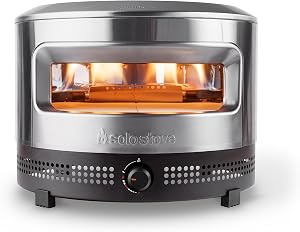
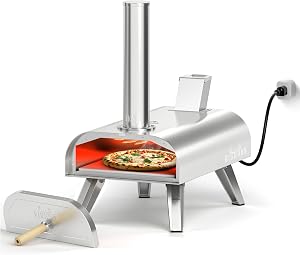
- 2-in-1 Multi-Fuel Pizza Oven - Enjoy authentic wood-fired taste with the pellet system, or switch effortlessly to
- Easy use and set up - The pizza oven come with a 16 inch pizza stone, ideal for family party gathering, overall dimension of the pizza oven is 25"D x 18"W x 36"H, and the weight

- Dual-Fuel Flexibility: As the first-ever hybrid pizza oven combining both pellet and electric fuel, this oven offers unmatched flexibility. Easily switch between pellet and
- Powerful 1500W Heating: In electric mode, this indoor pizza oven heats up to 1000˚F, delivering the Crispy Crust pizza you love in just 2 minutes—far faster than standard ovens

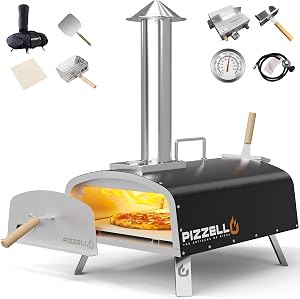
- 16" Dual-Fuel Option - Pizzello outdoor pizza oven comes with dual-fuel burners (Propane and wood burners). The dual-burner design lets you switch between the convenience of gas
- Great Pizza in 60 Sec - Once fueled, our pizza oven can reach 752℉(400℃) within 25-30 minutes, and then bake a pizza in about 60 seconds, resulting in a perfectly crisp and

- 5-IN-1 FUNCTIONALITY: The ultimate outdoor sidekick for all your backyard entertainment; pizza, bake, broil
- 3 MINUTE ARTISAN PIZZA: Restaurant quality 12" pizzas with even leoparding on crusts and gooey cheese ready in 3 minutes* with no turning necessary. *Neapolitan style cooked at

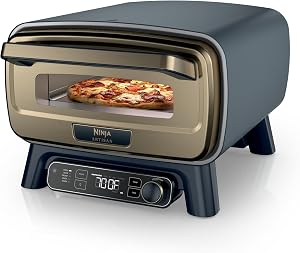
- 【Dual Side Burner】Powered by dual-side burners (23,000 BTU), this gas pizza oven heats up to 750°F in 10 minutes, reaching up to 1070°F at maximum. The arc-shaped chamber ensures
- 【15" Large Cooking Capacity】Spacious cooking area fits up to a 14.7 inch pizza, making it ideal for family meals and gatherings. Beyond pizza, easily cook steaks, chicken, fish
See It in Action: Real-World Curing Demo
If you're more of a visual learner — or you just want to double-check your technique against a pro — this side-by-side comparison of correct vs. rushed seasoning is pure gold:
Featured recommendations from our review database — direct Amazon links below.
The 5 Deadly Sins of Seasoning (Avoid at All Costs)
- Oiling the stone. Never. Ever. Cordierite is porous — oil soaks in, smokes forever, ruins everything.
- Going full-throttle from cold. Thermal shock = cracked stone. Period.
- Curing in the rain. Even mist. Water + 900°F stone = catastrophe.
- Cooking pizza during the cure. The first dough touches the stone AFTER the full cycle. Not during.
- Cutting the cycle short. "Eh, looks fine" is the universal prelude to disaster.
Key Takeaways (Save This Section)
THE NON-NEGOTIABLES
- Seasoning takes 30–45 minutes and saves you hundreds in replacement stones
- Wipe down first. No soap. No oil. Ever.
- Ramp heat in three stages: low, medium, full
- Let it cool naturally — patience prevents cracks
- Choose a dry, calm day for the best results
- Your first pizza happens AFTER the cure — never during
Final Word From One Pizzaiolo to Another
Look — I know the temptation. That gleaming new oven is sitting there, the dough is rising, friends are watching. Every fiber of your being wants to just light it and go. I get it. I've been there. I have the cracked stone in my garage to prove it.
But 45 minutes of patience tonight buys you years of perfect pizzas. It transforms your oven from a fragile appliance into a finely-tuned instrument. And when that first margherita slides off the peel, leoparded and blistered and singing with woodsmoke instead of weeping with chemicals — you'll thank yourself.
Now go cure that oven. Properly. The right way. The first time.
Related Reviews
- What Is the Ideal Temperature for Cooking Pizza in an Outdoor Oven?
- How to Choose Between Gas, Wood, and Multi-Fuel Pizza Ovens: A Buyer's Guide
- How to Clean and Maintain Your Ooni or Gozney Pizza Oven
- How to Store an Outdoor Pizza Oven in Winter: Tips and Best Practices
- The Complete Outdoor Pizza Oven Buying Guide: What to Look For in 2026
