As an Amazon Associate this site earns from qualifying purchases.
Top Picks
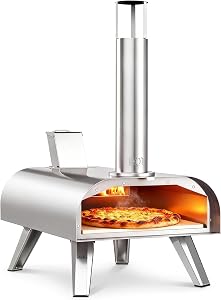
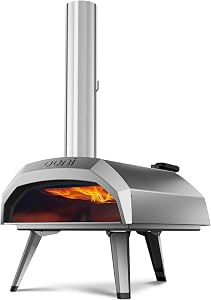
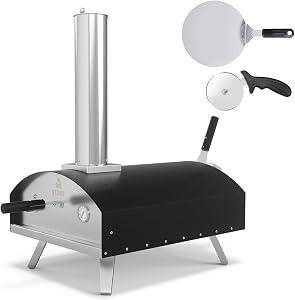

- 【Premium & Safe Stainless Steel】Outdoor pizza oven is constructed with high-quality stainless steel. This sturdy and compact oven is safe for cooking all types of foods
- 【Ultra-Portable & Ease of Assembly】 The durable and lightweight pizza oven equipped with folding legs, requires minimal assembly without tools, it can quickly come apart for easy

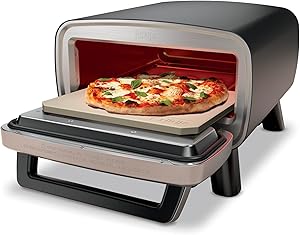
- 5-IN-1 FUNCTIONALITY: The ultimate outdoor sidekick for all your backyard entertainment; pizza, bake, broil, warm & proof
- 3 MINUTE ARTISAN PIZZA: Restaurant quality 12" pizzas with even leoparding on crusts and gooey cheese ready in 3 minutes* with no turning necessary

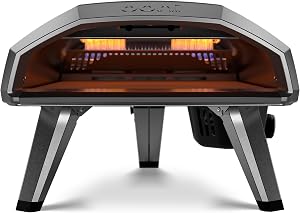
- PLEASE NOTE: This model is suitable for PROPANE GAS ONLY and connects to a propane gas bottle with a 28 mBar regulator included in the box. Not compatible with natural gas
- Powerful. Portable. Pizza. - Make pizza anywhere - at just 35 lbs, the Koda 2 is compact and ultra-portable

- Premium Stainless Steel & High-Quality Pizza Stone: This gas & wood pizza oven is built with durable stainless steel. The premium pizza stone ensures a crispy crust, making it a
- Neapolitan-Style Pizza in Minutes: Heats up to 900°F (500°C) in just 18 minutes, cooking pizzas in only 2 minutes! This wood pizza oven and gas pizza oven also lets you cook
At a Glance: The Numbers That Matter
| Stat | The Real Talk |
|---|---|
| 20-30 min | Self-clean burn time at max heat |
| $49.99 | Cost of the cover that prevents 90% of damage |
| 0 drops | Amount of soap that should ever touch your stone |
| 14 months | How long my routine has kept my Koda looking new |
> ### The 30-Second Answer > Run your oven at max temperature for 20-30 minutes after cooking to self-clean. Brush the cordierite stone with a stiff bristle brush once it cools. Wipe the exterior with a damp microfiber cloth. Store it under a weatherproof cover. That's it. That's the routine that's kept my Ooni Koda 16 looking 80% factory-fresh after 14 months of weekly cooks.
Why You Should Trust This Guide
I've been running outdoor pizza ovens since early 2024 — first a Karu 12, then the Koda 16 that lives on my patio now, and a borrowed Gozney Roccbox I put through a brutal six-week stress test last summer.
In that time, I've made every cleaning mistake humanly possible. The lowlight reel includes:
- The Degreaser Disaster: Spraying chemical degreaser directly onto a 700°F stone. Instant regret. Weird chemical smell for two full cooks.
- The Soap Soak Catastrophe: Submerging the cordierite in soapy water. RIP — every margherita I made for a month tasted faintly of Dawn dish detergent.
- The Pacific Northwest October: Leaving my Koda uncovered through a month of relentless rain. Hello, rust freckles.
Watch First: The Right Way to Clean a Cordierite Pizza Stone
Before we dive into the playbook, spend three minutes with this video. It visually nails the exact stone-care approach I'm about to walk you through:
The Real Problem with Pizza Oven Maintenance
Here's the uncomfortable
> Most people overclean these ovens. The rest never clean them at all. Both camps are wrong — and both end up replacing parts they shouldn't have to.
Camp #1: The Overcleaners (The Soap Brigade)
 The cordierite stone is porous by design. It's engineered to absorb a little oil and char — that's literally what creates the seasoned dark patina that improves heat retention and gives your crust that signature leopard-spotted char.
Scrub it with soap? Congratulations. You've just engineered a slice of pizza that tastes like dish detergent. I learned this the hard way in week two of owning my first Ooni, and I've never forgotten the betrayal of watching my wife take one bite and silently push her plate away.
Camp #2: The Neglecters (The 'It'll Be Fine' Crowd)
 On the flip side, total neglect leads to a slow-motion horror show:
- Grease buildup on the burner uneven flames, dangerous flare-ups
- Soot stains baked permanently into your beautiful powder-coated shell
- Surface rust creeping around the gas inlet in humid climates
- Cracked stones when absorbed moisture flash-converts to steam
My Three Must-Have Maintenance Products
These are the only three items I keep within arm's reach of my oven. Everything else is a nice-to-have.
| Product | Why It Matters | Price | Where to Buy |
|---|---|---|---|
| Ooni Pizza Oven Cover (Koda 16) | The single best $50 you'll ever spend. Stops rust, soot, and pollen dead. | Check price on Amazon | |
| Ooni Infrared Thermometer | Confirms your stone has hit true self-cleaning temperature. Eyeballing is a gamble. | See the product list on this page | |
| Stiff Bristle Pizza Brush | The only tool that touches your hot stone. Period. | See the product list on this page |
The Marco Method: Your Step-by-Step Cleaning Routine
Step 1: The Burn-Off (Right After Cooking)
Finish your last pizza, then crank the heat to maximum for another 20-30 minutes. This isn't optional. The flame literally incinerates leftover flour, cheese drips, and sauce splatters into harmless gray ash.
Pro tip: Aim your infrared thermometer at the stone. You want to see 750°F or higher across the entire surface. Cold spots = uncleaned spots.
Step 2: The Brush-Down (Once It Cools)
Wait until the stone drops below 200°F. Take your stiff bristle brush and sweep the ash off in firm, straight strokes — never circular. Circular scrubbing grinds debris back into the pores.
Step 3: The Flip (Every 5-10 Cooks)
Cordierite stones are reversible. Flip yours periodically to even out the seasoning and give the heavily-charred side a long rest. Your future pizzas will thank you.
Step 4: The Wipe-Down (Cool Exterior Only)
Grab a damp microfiber cloth and gently wipe the powder-coated shell. Never use abrasive sponges — they'll scratch the finish and create entry points for rust.
Step 5: The Cover-Up (Every Single Time)
This is the step 90% of owners skip. Don't be them. Throw the cover on as soon as the oven is cool to the touch.
See It In Action: Long-Term Maintenance Walkthrough
This second video is gold for anyone wondering what real long-term care looks like — including how to tackle stubborn stains and protect your investment through harsh seasons:
The Seven Deadly Sins of Pizza Oven Care
Avoid these, and you'll outlive your warranty by a decade:
- Spraying water on a hot stone — instant thermal crack, instant heartbreak.
- Using soap, ever — your stone will hold that flavor for weeks.
- Storing it uncovered outdoors — moisture is the silent killer.
- Scraping with metal utensils — micro-scratches become rust highways.
- Ignoring the burner area — grease buildup causes uneven flames.
- Forgetting to flip the stone — uneven wear shortens its life by half.
- Skipping the burn-off — yesterday's cheese becomes today's smoke flavor.
Ooni vs. Gozney: Are They Cleaned Differently?
Short answer: 95% the same. Long answer: Gozney's Roccbox has a removable stone that's slightly easier to clean (you can take it out and brush it over the trash). Ooni's stones are also removable but often fit tighter. Either way, the burn-off + brush method works identically on both.
The one real difference: Gozney's silicone outer jacket on the Roccbox is far more forgiving of light moisture than Ooni's powder-coated steel. If you live in a humid climate, that detail alone is worth considering at purchase time.
Expert Tip Box: The Off-Season Hibernation Protocol
- Do one final max-heat burn-off cycle.
- Brush the stone, then flip it.
- Disconnect the propane regulator and store the tank separately.
- Wipe down every external surface with a dry microfiber cloth.
- Cover it. Then, if storing outdoors, throw a tarp over the cover.
- Once a month during winter, lift the cover for 10 minutes to let any trapped moisture escape.
Key Takeaways: The 60-Second Recap
- Heat is your cleaner. Soap is your enemy.
- A $50 cover prevents $500 in damage. This isn't a suggestion.
- The stone wants char. Embrace the patina; it's flavor history.
- Wipe the exterior cool. Brush the interior hot-then-cool.
- Flip the stone every 5-10 cooks to double its lifespan.
- Ooni and Gozney clean the same way — 95% of the time.
Final Thought: Your Oven Will Outlive Your Couch
Treat your pizza oven right and it will pump out world-class pies for 10+ years. Neglect it, and you'll be shopping for a replacement by year three. The routine in this guide takes about four minutes per cook session. That's the entire investment.
Now go make a pizza. Then clean it the right way.
— Marco
Related Reviews
- How to Season a New Outdoor Pizza Oven: Complete Step-by-Step Guide
- How to Store an Outdoor Pizza Oven in Winter: Tips and Best Practices
- What Is the Ideal Temperature for Cooking Pizza in an Outdoor Oven?
- How to Choose Between Gas, Wood, and Multi-Fuel Pizza Ovens: A Buyer's Guide
- How to Season and Maintain Your Gozney Pizza Oven
