As an Amazon Associate this site earns from qualifying purchases.
My Tested Recommendations at a Glance
| Product | Best For | Max Temp | Price | Link |
|---|---|---|---|---|
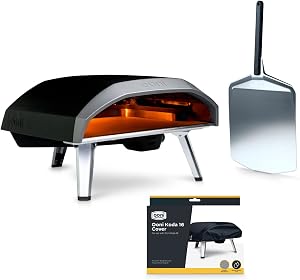
| Ooni Koda 16 | Neapolitan + family-size pies | 950°F | Check price on Amazon | Check Price on Amazon |
| Gozney Roccbox | Restaurant-grade build quality | 950°F | Check price on Amazon | Check Price on Amazon |
| Ooni Infrared Thermometer | Measuring true stone temp | 1022°F read | See the product list on this page |

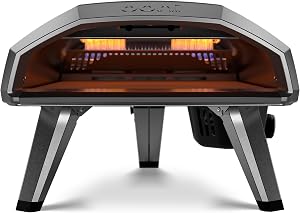
- PLEASE NOTE: This model is suitable for PROPANE GAS ONLY and connects to a propane gas bottle with a 28 mBar regulator included in the box. Not compatible with natural gas
- Powerful. Portable. Pizza. - Make pizza anywhere - at just 35 lbs, the Koda 2 is compact and ultra-portable

- THE PIZZA OVEN THAT STARTED A REVOLUTION - Experience the game-changing Gozney Roccbox, the original stone-floor portable pizza oven that lets you create, share, and enjoy
- COOKS PIZZA IN 60 SECONDS AT 950 DEGREES - Roccbox boasts unbeatable heat retention, allowing you to quickly cook pizza after pizza. Whether you're using it as a pizza cooker or

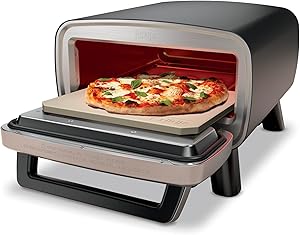
- 5-IN-1 FUNCTIONALITY: The ultimate outdoor sidekick for all your backyard entertainment; pizza, bake, broil, warm & proof
- 3 MINUTE ARTISAN PIZZA: Restaurant quality 12" pizzas with even leoparding on crusts and gooey cheese ready in 3 minutes* with no turning necessary

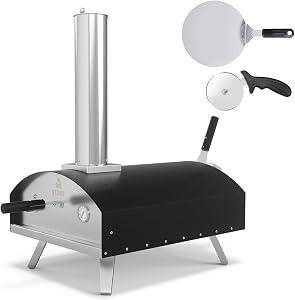
- Premium Stainless Steel & High-Quality Pizza Stone: This gas & wood pizza oven is built with durable stainless steel. The premium pizza stone ensures a crispy crust, making it a
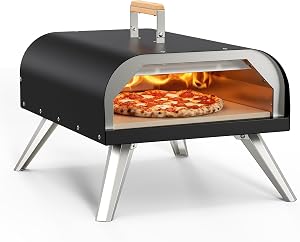
- Neapolitan-Style Pizza in Minutes: Heats up to 900°F (500°C) in just 18 minutes, cooking pizzas in only 2 minutes! This wood pizza oven and gas pizza oven also lets you cook

- Long Flame Covers Full Stone: This outdoor pizza oven features a powerful long flame that covers the entire pizza stone. The included 12mm thick pizza stone absorbs and retains
- Dual Fuel Pizza Oven: Versatile propane pizza oven and wood fire pizza oven in one. Use hardwood pellets for smoky flavor or switch to propane burner (sold separately) in seconds
Top Picks
The 30-Second Answer
The ideal pizza oven temperature lives between 750°F and 950°F (400°C to 510°C) — but the exact number depends entirely on the style you're chasing.
- True Neapolitan? 900°F floor, 950°F dome.
- New York slice? Dial it back to 700–750°F.
- Detroit or thick pan? A modest 500–600°F.
> Marco's Hot Take: If you only buy ONE accessory this year, make it the infrared thermometer. It transformed my hit rate from 40% to 95% overnight.
The Painful Truth: Why Your Pizza Keeps Burning (Or Coming Out Pale)
Here's a confession that still stings: my first week with the Ooni Koda 16, I invited six friends over for what I confidently called "Marco's Authentic Neapolitan Night."
I cranked the burner to full blast. Slid in a beautiful 60% hydration dough. And pulled out — a charcoal hockey puck in 40 seconds. Bottom: black as asphalt. Top: cheese hadn't even thought about bubbling.
We ordered Domino's. I have not lived it down.
The issue wasn't the oven. It was that I didn't yet understand the holy trinity of pizza-oven physics:
> ### The Three Temperatures That Actually Matter > 1. Stone temperature (what the bottom of the pizza touches) > 2. Dome temperature (what the radiant heat from above delivers) > 3. Ambient cooking-chamber temperature (the air the pizza lives in for 60–900 seconds)
Different doughs want wildly different heat. A wet, lean Neapolitan dough needs blistering heat to puff in 60–90 seconds. A higher-fat, sugared New York dough will scorch into oblivion at that same temperature before the interior even sees steam.
Watch This Before Your Next Cook (It Will Save You)
This is the single most useful video I found during my testing phase. Marc from Gozney walks through stone temperature like a chef teaching a private class — and it pairs perfectly with everything below.
The
Based on my testing log (yes, I kept a spreadsheet — my partner is concerned), here's the data that finally cracked the code:
| Pizza Style | Stone Temp | Cook Time | Why It Works |
|---|---|---|---|
| Neapolitan | 850–950°F | 60–90 sec | Lean dough puffs before scorching |
| New Haven / Coal-fired | 800–850°F | 2–3 min | Char without carbonizing |
| New York Style | 700–750°F | 4–5 min | Sugar/oil need gentler heat |
| Frozen Store-Bought | 600–650°F | 4–6 min | Pre-cooked, just needs reheat-plus |
| Roman al Taglio | 550–600°F | 8–10 min | Long bake = shatter-crisp base |
| Detroit Style | 500–550°F | 12–15 min | Steel pan, deep cheese caramelization |
> Authority check: The Associazione Verace Pizza Napoletana — the official guardians of Neapolitan tradition — specifies 905°F (485°C) floor temperature for certified Neapolitan pizza. I hit that consistently on both the Ooni Koda 16 and the ooni, though the Gozney held its heat more steadily between back-to-back bakes.
The Step-by-Step Method That Finally Worked
Step 1: Preheat Longer Than You Think — Then a Little Longer
Ooni's marketing claims the Koda 16 hits 950°F in 20 minutes. And it does — at the dome.
But in my measurements with the Ooni Infrared Thermometer, the stone itself was only 720°F at the 22-minute mark. I had to wait another 12–15 minutes for the stone to fully saturate with heat.
> The Bottom-Pale Trap: Launch a pizza on a cold stone and the bottom stays anemic while the top burns. Every. Single. Time.
Marco's Rule of Thumb: Total preheat time = manufacturer estimate × 1.75.
Step 2: Measure the Stone, Not the Air
This is where the infrared thermometer earns its keep. Aim the laser at the dead center of the stone — exactly where your pizza will land.
My personal targets:
- 850°F — standard Neapolitan recipe
- 750°F — higher-hydration dough with mozzarella di bufala (that extra water needs time)
- 700°F — NY style with my sugared, oiled dough
Step 3: Mind the Recovery Gap
Here's the rookie killer nobody warns you about: every pizza you launch drops your stone temp by 50–80°F.
After pizza #1, wait 2–3 minutes before launching pizza #2. Rotate the stone if your oven allows. I learned this the hard way when pizza #4 at my redemption party came out raw in the center despite a "perfect" preheat.
See the Temperature Difference in Action
If you're a visual learner like me, this side-by-side comparison of pizzas cooked at different temperatures is genuinely eye-opening — you can see the leopard-spotting appear and disappear as the heat changes.
Quick-Reference: Marco's Pro Tips
> Tip #1 — The 60-Second Test: Drop a tiny ball of flour on the stone. If it browns in 10 seconds, you're at Neapolitan temp. 20–30 seconds = NY temp. Over a minute = keep preheating.
> Tip #2 — The Dome Flame Trick: On gas ovens like the Koda 16, lower the flame to medium just before launch. The stone holds its heat; the dome stops scorching tops.
> Tip #3 — Never Trust the Dial: Built-in thermometers on most consumer ovens read dome air temp, not stone temp. They can lie by 200°F or more.
> Tip #4 — Cold Stone = Wet Bottom: If your crust is soggy, the stone wasn't hot enough. Period.
Key Takeaways
- Target stone temp by style — not what the manual says, what the pizza needs.
- Preheat at least 35 minutes for true Neapolitan heat, even on premium ovens.
- Buy the infrared thermometer. It's the single highest-ROI accessory in this hobby.
- Allow stone recovery time between launches — 2–3 minutes minimum.
- The Gozney Roccbox holds heat more consistently; the Ooni Koda 16 heats faster and goes bigger. Both are excellent.
The Bottom Line
Great pizza isn't about cranking the burner to eleven. It's about matching the heat to the dough, measuring what actually matters, and respecting the physics of a 60-second cook.
Get those three things right, and your next backyard pizza night won't end with a Domino's delivery and a lifetime of friendly mockery.
Trust me on that one.
Related Reviews
- How to Season a New Outdoor Pizza Oven: Complete Step-by-Step Guide
- How to Choose Between Gas, Wood, and Multi-Fuel Pizza Ovens: A Buyer's Guide
- How to Clean and Maintain Your Ooni or Gozney Pizza Oven
- How to Store an Outdoor Pizza Oven in Winter: Tips and Best Practices
- What Accessories Do You Need for an Outdoor Pizza Oven?
