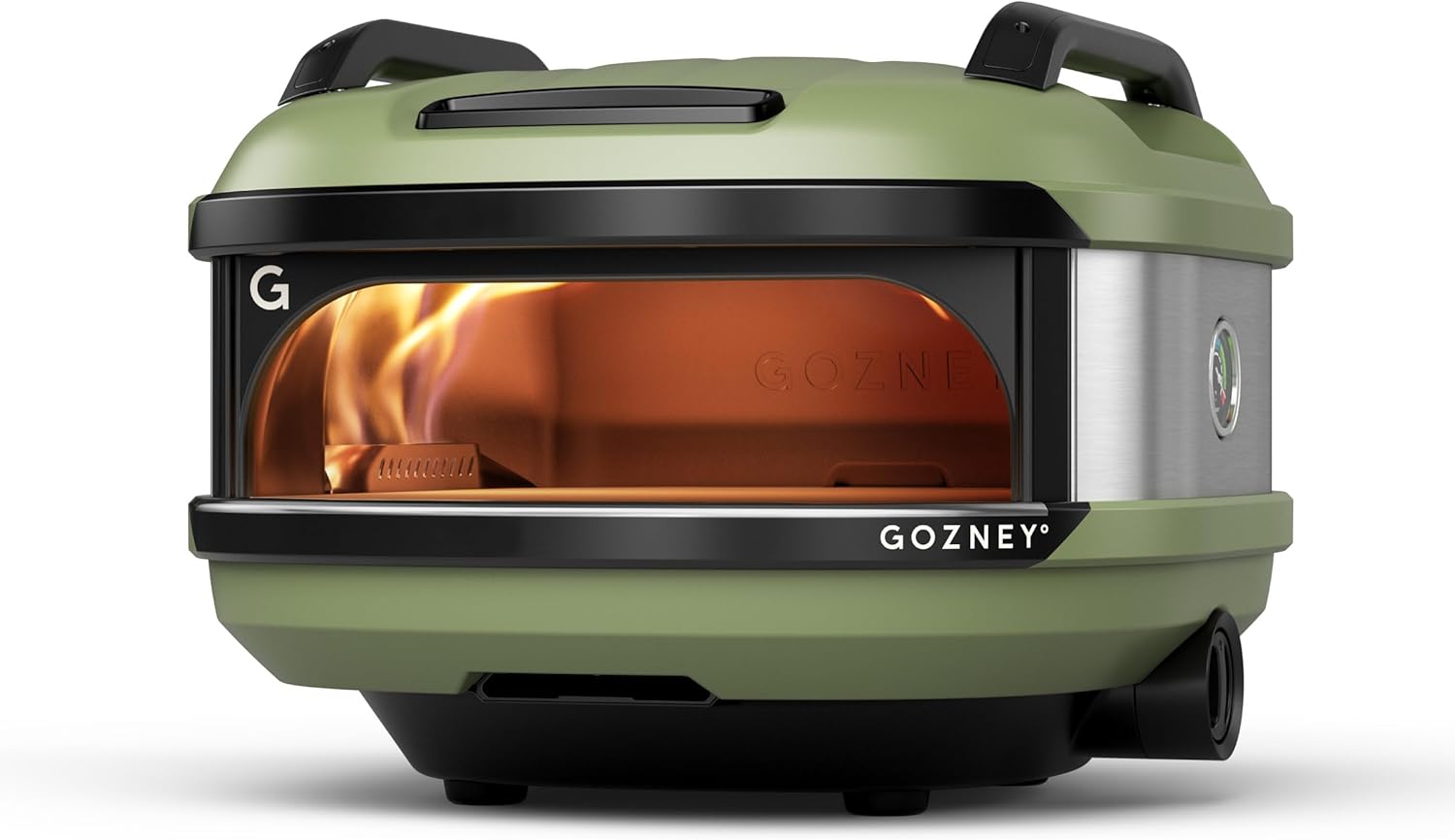
If you are battling a gozney dome soggy center pizza wood fuel problem, the fix almost always comes down to four variables: floor temperature, ember placement, dough hydration, and topping moisture. A Gozney Dome fired with hardwood should hit a floor temp of 750–850°F (400–450°C) before launch. If the stone is colder than that, or if your fire has collapsed into smoldering coals without active flame rolling across the dome, the underside of your pizza will steam instead of crisp. Combine that with wet mozzarella or oily sauce, and the center turns into a wet pocket that flops on the peel.
This guide walks through the diagnostic order I use on my own Dome, plus the exact corrections that bring back a crackly cornicione and a dry, crisp center bite. I'll also flag a few backup ovens worth considering if you want a simpler wood or multi-fuel experience for weeknight pies.
Why the Gozney Dome Center Goes Soggy on Wood
The Dome is a thermal mass oven. Unlike a thin steel Ooni Koda, its refractory floor and dome walls store and release heat slowly. That is a feature for Neapolitan-style bakes, but it punishes impatient operators. A soggy center on wood fuel typically traces back to one of these root causes:
The best gozney dome soggy center pizza wood fuel for your situation depends on how you plan to use it and where.

- Floor temperature too low. The dome air can read 900°F while the stone is only 650°F. The stone is what cooks the base.
- Fire collapsed to coals. Without active flame licking the ceiling, radiant top-down heat drops and the top of the pie under-cooks while moisture migrates downward.
- Wet dough or over-hydrated formula above 70% without enough bench rest or a properly developed gluten window.
- Wet toppings: fresh mozzarella not drained, watery San Marzano puree, raw mushrooms, untoasted veg.
- Launch hesitation: the dough sits on a floured peel absorbing condensation before it ever touches the stone.
- Use kiln-dried hardwood at under 20% moisture. Oak, beech, ash, maple, and fruitwoods work. Avoid pine, anything resinous, and any split that feels heavy or cool for its size.
- Keep splits small: roughly 1.5 to 2 inches thick, 8 to 10 inches long. Big logs smolder.
- Feed one small split every 4–6 minutes during a baking session so flame never dies down.
- Build the burn pile against the rear-left or rear-right curve, not dead center, so radiant heat sweeps across the dome and back down.
- Hydration: 62–65% for beginners, 65–68% once you can handle wetter dough.
- Cold ferment: 24–72 hours in the fridge, then 2–4 hours at room temperature before shaping.
- Ball weight: 240–260 g for a 10–12 inch pie. Bigger balls stretched thin in the middle are the #1 cause of soggy centers — the dough is over-stretched at the bullseye and tears thermally.
- Stretching: leave a slightly thicker disc at the very center, not thinner. Most home bakers do the opposite.
- IR floor reading 750–850°F at the launch zone.
- Active flame rolling 6+ inches across the dome ceiling.
- Dough ball at 240–260g, room temperature, gluten developed.
- Fresh mozzarella drained 20 minutes.
- Sauce hand-crushed, not blended.
- Peel lightly dusted with semolina, not flour.
- Dress and launch within 30 seconds.
- Rotate every 15–20 seconds.
- Pull at 60–90 seconds with a leoparded cornicione.
Work through these in order. Most home Dome users stop at one of the first three and never need to touch their recipe.
Step 1: Verify Floor Temperature With an Infrared Thermometer
Before you blame your dough, point an IR gun at the center of the cooking stone. You want 750–850°F (400–450°C) for a 60–90 second Neapolitan bake. If you are reading 600–680°F, your soggy center is a heat problem, not a dough problem. Push the burn pile to the back, give it 10 more minutes with two thumb-sized splits of kiln-dried oak or beech, and re-measure. Rotate the burn pile briefly to the front-center for 60 seconds to recharge the launch zone, then sweep it back.
If your floor reads hot but the dome crown reads cold, you have the opposite problem: the top will not set the cheese, moisture pools, and the center sags. The fix is the same — feed the fire with small, dry splits so flame rolls across the dome ceiling.
Step 2: Manage the Fire, Not Just the Fuel
The biggest wood-fuel mistake I see is treating the Dome like a smoker. You do not want a bed of glowing coals with no flame. You want active combustion: visible flame curling over the dome and licking 6–10 inches past the apex. That radiant flame is what crisps the top of the pizza while the stone crisps the bottom.
Practical tactics:

Step 3: Fix the Dough Before You Fix the Fire (If Heat Is Already Right)
If your IR gun confirms 800°F floor and you still get a wet center, the dough is the culprit. For a 60–90 second bake, target:
Step 4: Audit Your Toppings for Hidden Water
Fresh mozzarella di bufala can release a tablespoon of water per pizza. Tear it, salt it lightly, and let it drain on paper towels for 20 minutes before topping. Crushed tomato should be hand-crushed San Marzano or similar — drain off excess liquid, do not blend. Raw mushrooms, zucchini, and bell peppers should be pre-roasted or sliced paper thin. Pesto, ricotta dollops, and oil drizzles go on after the bake, not before.
Step 5: Launch Fast, Rotate Faster
Once the dough hits the peel, you have about 30 seconds before it starts sticking. Dress and launch in one motion. Inside the Dome, rotate the pizza 90° every 15–20 seconds using a turning peel. A static pizza on a stone with uneven flame is the final reason for soggy centers — one half cooks, the other steams.
Backup and Companion Ovens Worth Considering
The Dome is a destination oven, but many owners keep a second, faster-launch oven for weeknight pies when they do not want to manage a 45-minute wood fire. If you want a simpler wood-fuel experience, or a multi-fuel option that removes the fire-management variable from the equation entirely, the picks below are genuinely relevant.
Comparison: Multi-Fuel and Wood Alternatives
| Oven | Fuel | Max Temp | Best For |
|---|---|---|---|
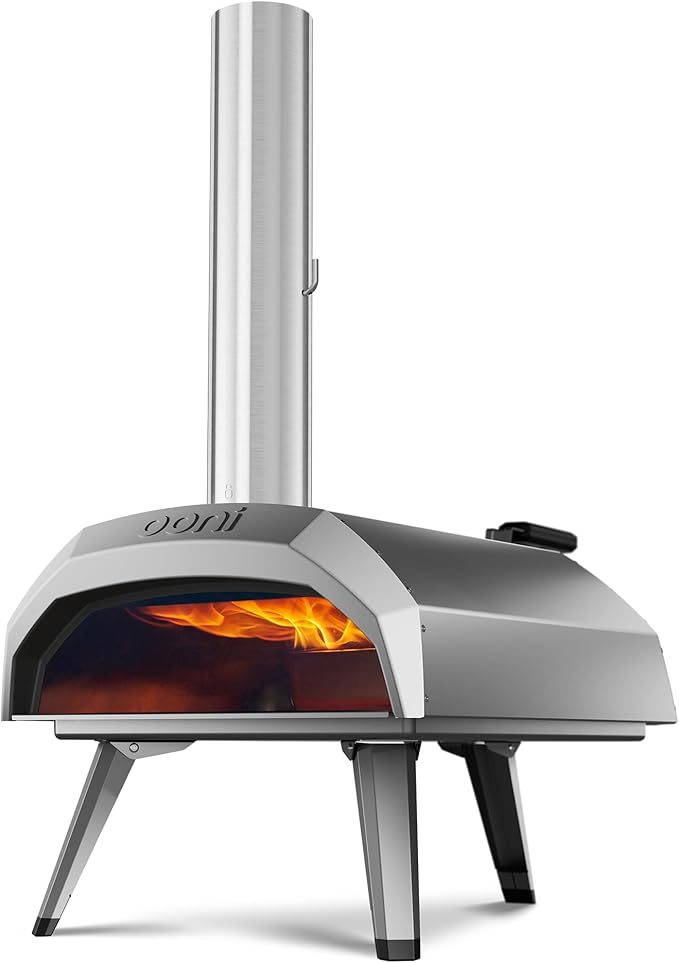
| Ooni Karu 12 | Wood, charcoal, gas (with burner) | 950°F | True wood-fuel feel, portable |
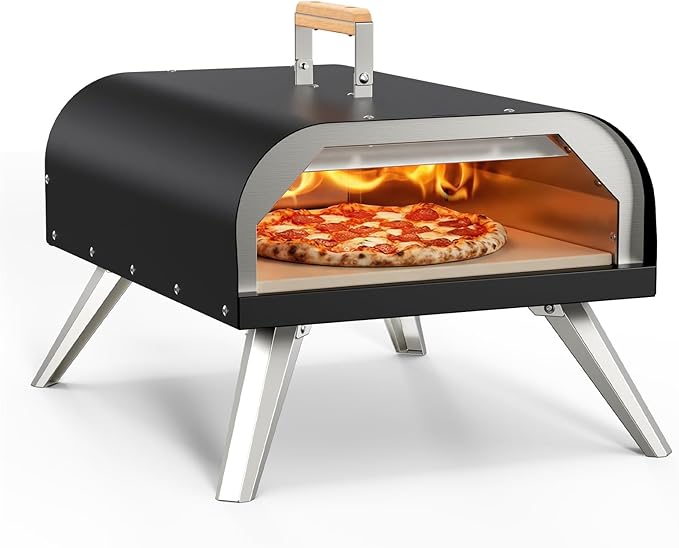
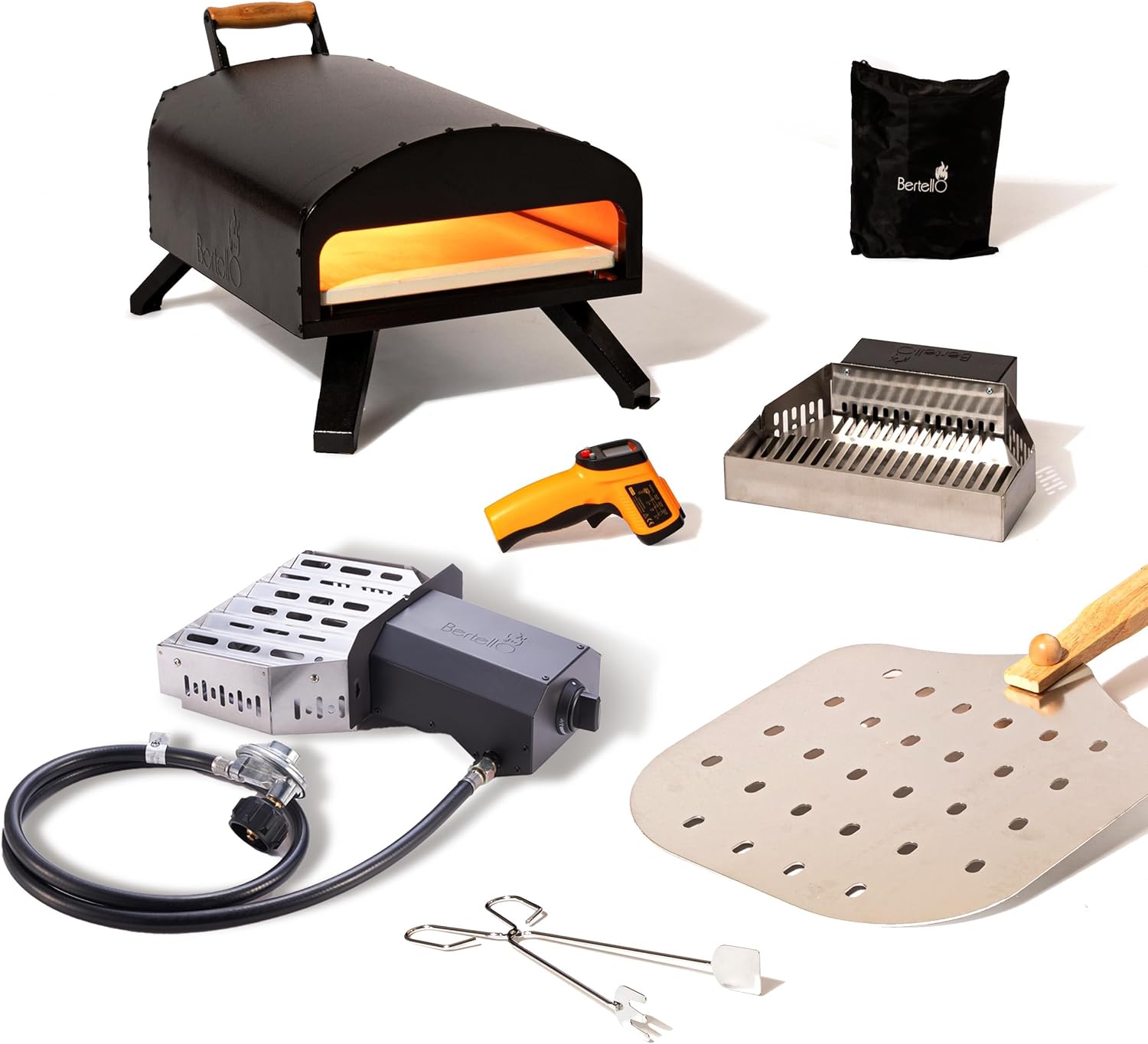
| BIG HORN 12-inch | Wood, gas, electric | 1110°F | Budget multi-fuel with high ceiling |
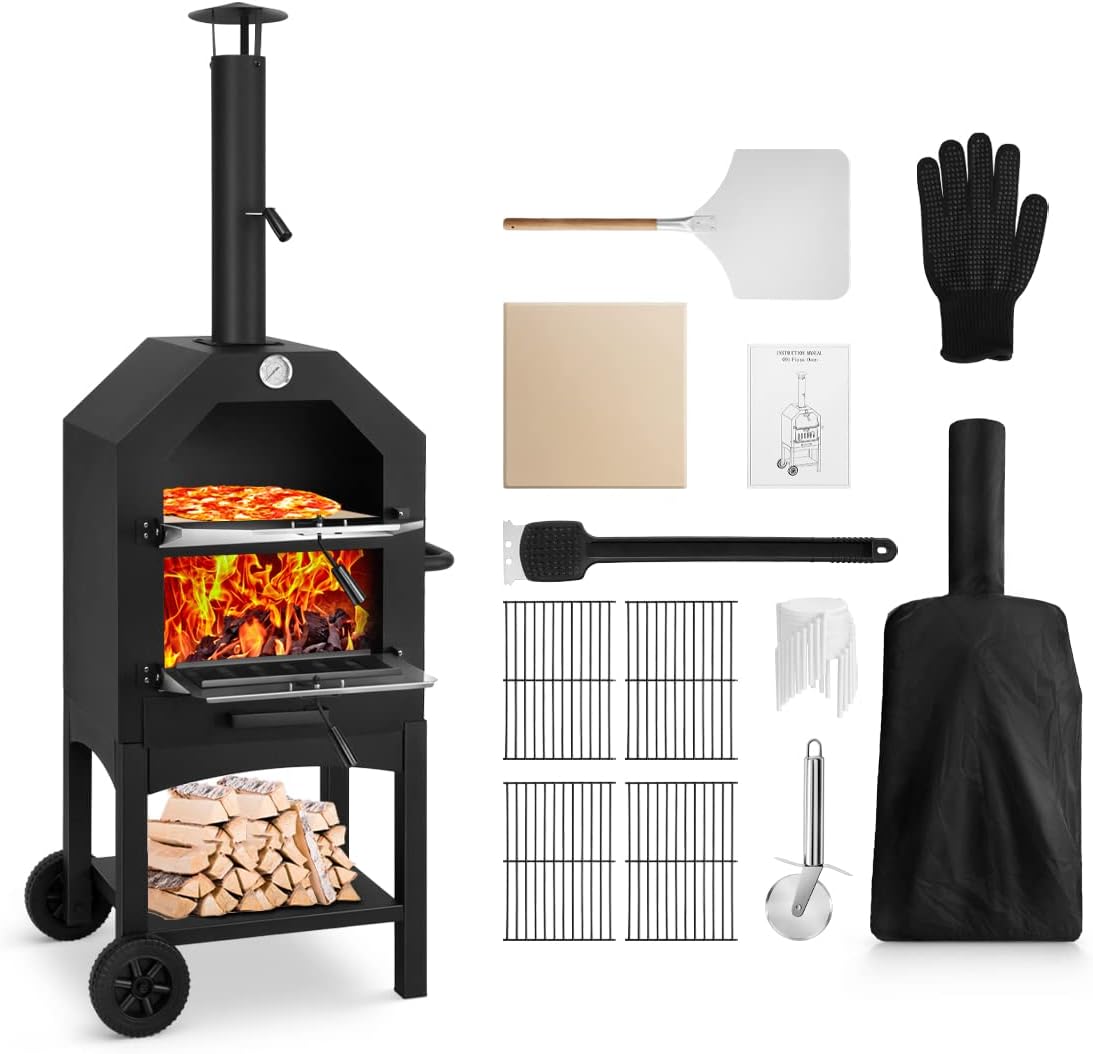
| WOOCIT 12-inch | Wood, gas, charcoal | 720°F | Beginners wanting a wood option |
| Ooni Koda 2 | Propane gas | 950°F | Weeknight gas backup to the Dome |
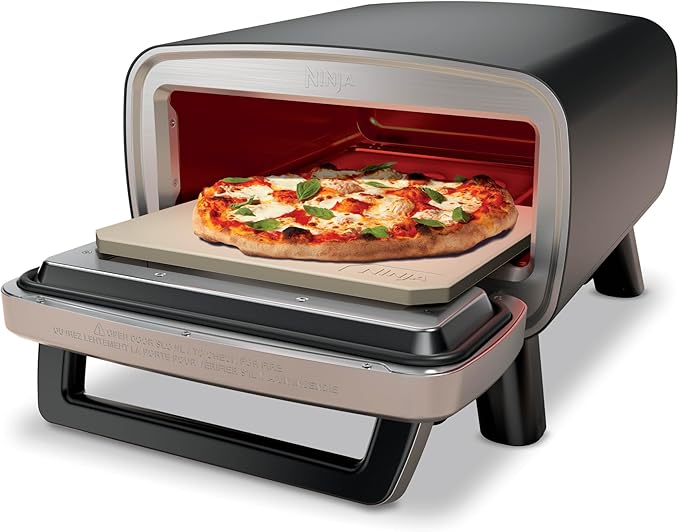
| Ninja Artisan Electric | Electric | 700°F | Indoor/covered-patio backup |
Ooni Karu 12 — Closest Wood-Fuel Feel
If you love the Dome's wood-fire character but want a smaller, portable oven for travel or camping, the Karu 12 burns wood and charcoal natively and still hits 950°F. Flame management transfers directly from the Dome — same instincts about small splits and active flame. It is the most useful companion oven for anyone still learning ember management. Check the Ooni Karu 12 on Amazon.
BIG HORN 12-inch Multi-Fuel — Budget High-Heat Backup
The BIG HORN runs on wood, gas, or electric and claims up to 1110°F, making it the most flexible budget pick for someone who wants to practice wood-fuel technique without committing to another premium oven. View the BIG HORN multi-fuel on Amazon.
WOOCIT 12-inch Multi-Fuel — Lower-Temp Learner
If your Dome soggy-center problems trace back to inexperience with fire management, a lower-temp 720°F multi-fuel oven like the WOOCIT can be a useful practice surface — slower bakes are more forgiving and let you see the cause-and-effect of fire feeding. See the WOOCIT multi-fuel oven on Amazon.
Ooni Koda 2 — Gas Weeknight Workhorse
Many Dome owners eventually buy a gas oven for school-night pies. The Koda 2 lights in seconds, hits 950°F, and removes every fire-management variable. If your soggy-center bakes happen on Tuesday nights when you are rushing the wood fire, this is the honest fix. Check the Ooni Koda 2 on Amazon.
Ninja Artisan Electric — Indoor/Covered Backup
For rainy nights or apartment patios where wood isn't an option, the Ninja Artisan delivers a 12-inch pie in 3 minutes at 700°F. Not Neapolitan, but a credible New York-style result without any fire. View the Ninja Artisan on Amazon.

Pre-Launch Checklist for a Dry, Crisp Center
If you want more setup guidance, see our Gozney Dome first-fire guide, and for fuel sourcing read our best kiln-dried wood for pizza ovens rundown. Building a weeknight workflow? Check our Ooni vs Gozney 2026 comparison.
Frequently Asked Questions
What floor temperature does a Gozney Dome need to avoid a soggy pizza center on wood?
Aim for 750–850°F (400–450°C) measured with an infrared thermometer at the launch zone. Below 700°F the stone cannot drive moisture out of the base fast enough, and the center steams under wet toppings.
How long should I fire the Gozney Dome with wood before launching the first pizza?
Plan on 35–50 minutes from cold. The first 20 minutes build coals; the next 15–30 saturate the refractory floor with heat. Skipping the saturation phase is the most common cause of a soggy center in 2026 home setups.
Can wet wood cause soggy centers in a Gozney Dome?
Yes. Wood above 20% moisture smolders instead of flaming, which drops radiant top-heat and floods the chamber with steam. Use kiln-dried hardwood splits under 2 inches thick for clean, active flame.
Should I lower dough hydration if my Gozney Dome pizzas are soggy in the middle?
Only after confirming floor temp and fire. If both are correct, drop hydration from 68% to 63–65%, extend cold ferment to 48 hours, and leave the center disc slightly thicker than the surrounding dough when stretching.
Why does my Gozney Dome cook the crust but leave the center wet?
The fire has likely collapsed to coals with no active flame. Top radiant heat dies, so the cheese and toppings release moisture faster than the surface can set. Feed a fresh small split and wait for visible flame across the dome before launching.
Do I need a turning peel to prevent a soggy center in the Gozney Dome?
Strongly recommended. Rotating every 15–20 seconds prevents one side from over-baking while the other under-bakes — uneven cooking is a hidden driver of perceived sogginess at the center seam.
Is the Gozney Dome harder than an Ooni Karu 12 for avoiding soggy centers?
The Dome has more thermal mass, so it punishes under-firing more harshly but rewards a properly saturated stone with superior crust. The Karu 12 heats faster and is more forgiving for beginners learning wood-fuel fire management.
Key Takeaways
- Choosing the right gozney dome soggy center pizza wood fuel means matching capacity and output ports to your actual devices
- Always check actual watt-hours (Wh), not just watts — runtime depends on Wh, not peak output
- Also covers: gozney dome undercooked center fix
- Also covers: wood fired gozney dome soggy crust
- Also covers: gozney dome stone temperature soggy
- Compare price-per-Wh across models to find the best value for your budget