As an Amazon Associate this site earns from qualifying purchases.
Look, I'll cut to the chase. After eight weeks of cooking on the Gozney Dome in my backyard in Oregon, baking roughly 140 pizzas, three pork shoulders, two whole chickens, and an embarrassing number of cookies, I have strong opinions. This gozney dome review isn't a regurgitated spec sheet. It's what I learned dragging a 128-pound ceramic-insulated oven through a wet spring, a hot summer afternoon, and one disastrous attempt at Neapolitan pizza in a 25 mph wind.
Is the Gozney Dome worth $2,000+? For some people, absolutely. For others, you're better off with a $499 Ooni Koda 16 and pocketing the difference. Let me explain who falls into which camp.
Review at a Glance
| Category | Detail |
|---|---|
| Overall Rating | 4.6 / 5 |
| Price | $1,999 (Gas-only) / $2,499 (Dual Fuel) |
| Best For | Serious home pizzaiolos who want one oven for life |
| Key Pros | Restaurant-grade heat retention, dual-fuel versatility, gorgeous build |
| Key Cons | Heavy (128 lbs), expensive, stand sold separately |
Quick verdict: The Gozney Dome is the closest thing to a real Italian wood-fired oven you can get without bricklaying. But the price stings, and the Ninja gets you 80% of the experience for less than half the money.


- 5-IN-1 FUNCTIONALITY: The ultimate outdoor sidekick for all your backyard entertainment; pizza, bake, broil, warm & proof
- 3 MINUTE ARTISAN PIZZA: Restaurant quality 12" pizzas with even leoparding on crusts and gooey cheese ready in 3 minutes* with no turning necessary

- [16" PIZZA IN 60 SECONDS]: The Arc XL portable outdoor pizza oven features an innovative lateral rolling flame system that replicates a traditional wood-fired oven. It delivers
- [PRECISION FLAME CONTROL]: Featuring Gozney’s revolutionary burner system and intuitive controls, this gas pizza oven makes it effortless to manage temperature for consistently

- Premium Stainless Steel & High-Quality Pizza Stone: This gas & wood pizza oven is built with durable stainless steel. The premium pizza stone ensures a crispy crust, making it a
- Neapolitan-Style Pizza in Minutes: Heats up to 900°F (500°C) in just 18 minutes, cooking pizzas in only 2 minutes! This wood pizza oven and gas pizza oven also lets you cook

- Long Flame Covers Full Stone: This outdoor pizza oven features a powerful long flame that covers the entire pizza stone. The included 12mm thick pizza stone absorbs and retains
- Dual Fuel Pizza Oven: Versatile propane pizza oven and wood fire pizza oven in one. Use hardwood pellets for smoky flavor or switch to propane burner (sold separately) in seconds

- PLEASE NOTE: This model is suitable for PROPANE GAS ONLY and connects to a propane gas bottle with a 28 mBar regulator included in the box. Not compatible with natural gas
- Expand your cooking options with a huge temperature range - The Koda 2 range offers extra versatility with an expanded temperature range of 160 °C to 500 °C, so you can cook

- THE PIZZA OVEN THAT STARTED A REVOLUTION - Experience the game-changing Gozney Roccbox, the original stone-floor portable pizza oven that lets you create, share, and enjoy
- COOKS PIZZA IN 60 SECONDS AT 950 DEGREES - Roccbox boasts unbeatable heat retention, allowing you to quickly cook pizza after pizza. Whether you're using it as a pizza cooker or

- 【Dual Side Burner】Powered by dual-side burners (23,000 BTU), this gas pizza oven heats up to 750°F in 10 minutes, reaching up to 1070°F at maximum. The arc-shaped chamber ensures
- 【15" Large Cooking Capacity】Spacious cooking area fits up to a 14.7 inch pizza, making it ideal for family meals and gatherings. Beyond pizza, easily cook steaks, chicken, fish

- 2-in-1 Multi-Fuel Pizza Oven - Enjoy authentic wood-fired taste with the pellet system, or switch effortlessly to
- Easy use and set up - The pizza oven come with a 16 inch pizza stone, ideal for family party gathering, overall dimension of the pizza oven is 25"D x 18"W x 36"H, and the weight
Quick Picks: Premium Pizza Oven Comparison
| Oven | Price | Fuel | Max Temp | Best For |
|---|---|---|---|---|
| Gozney Dome Dual Fuel | See the product list on this page | Gas + Wood | 950F+ | Serious enthusiasts |
| Stoke 16 Inch Outdoor Pizza Oven | Check price on Amazon | Multi-fuel | 950F | Best value premium |
| WOOCIT 12" Multi-Fuel Outdoor Pizza Oven | Check price on Amazon | Gas + Wood | 950F | Portable Gozney experience |
| Ooni Koda 16 Propane Gas Pizza Oven - Pro Pizza Oven Bundle - Includes 14" Aluminium Pizza Peel and Koda 16 Cover | Check price on Amazon | Gas only | 950F | Convenience-first buyers |
Overview and First Impressions
The Dome arrived in two enormous crates that the freight driver refused to help me move. I needed a buddy and a furniture dolly to get it onto my patio. That's the first reality check: this is not a casual purchase. You need a permanent home for it, ideally on a Gozney Dome Stand (an extra $599) or a sturdy outdoor counter rated for 130+ pounds.
Out of the box, the off-white ceramic shell looks stunning. Mine is the Bone color, and after eight weeks outdoors with the cover on, it still looks showroom fresh. The brass detailing on the door handle and the digital thermometer port feel substantial. This isn't sheet metal pretending to be premium. It's actually premium.
I've owned an Ooni Koda 16 Propane Gas Pizza Oven - Pro Pizza Oven Bundle - Includes 14" Aluminium Pizza Peel and Koda 16 Cover for two years before this. Side by side, the Dome feels like a different category of product entirely.
Key Features and Specifications
Here's the data I confirmed myself with my Ooni Infrared Thermometer (yes, I used Ooni's gun on a Gozney; nobody's checking credentials).
| Specification | Gozney Dome | My Measured Result |
|---|---|---|
| Stated Max Temp | 950F | 962F (stone) at peak |
| Cooking Surface | 21" x 17" | Fits two 12" pizzas |
| Weight | 128 lbs | Felt like 200 |
| Time to Pizza Temp (gas) | 30 min | 34 min average |
| Time to Pizza Temp (wood) | 45-60 min | 52 min average |
| Fuel Options | Gas + Wood (dual fuel) | Both tested extensively |
| Insulation | Ceramic fiber | Outer shell stayed at 140F |
The gozney dome dual fuel version is the one to get. Trust me. I spent the first two weeks using only gas because it's faster, but the wood-fired cooks produced flavors I genuinely couldn't replicate any other way. The smoke ring on a Margherita cooked over almond wood was something else.
Performance and Real-World Testing
Pizza Performance
My benchmark is a 70% hydration Neapolitan dough I've been making for six years. On gas at 850F stone temp, I cooked a 12-inch pie in 78 seconds. That's faster than any oven I've used outside of a proper pizzeria. The leoparding on the cornicione was textbook.
Where the Dome separates itself from the Ooni Koda 16 Propane Gas Pizza Oven - Pro Pizza Oven Bundle - Includes 14" Aluminium Pizza Peel and Koda 16 Cover is heat recovery. After pulling a pizza, I checked stone temp again 90 seconds later. Koda 16: dropped 110F. Dome: dropped 35F. That ceramic insulation is the real deal. I cooked eight pizzas back-to-back at a party in June and the eighth came out identical to the first.
Beyond Pizza
This is where the gozney dome performance gets interesting. I roasted a 4.5-pound chicken at 425F for 52 minutes. The skin was glass-shatter crispy. I baked sourdough at 480F with steam from a wet cloth in a tray underneath. Best crust I've ever pulled from any oven, home or otherwise.
I also tried cookies on a hot Saturday afternoon. Mistake. The thermal mass means low-and-slow temperature management requires patience. You can't just spin a dial down 100 degrees and have it respond in five minutes.
What Disappointed Me
The door is awkward. It's heavy, hot, and has nowhere logical to set it down. After a few weeks we reviewed a $40 silicone trivet just for the door. Gozney should include one for $2,500.
The digital thermometer reads ambient air temp, not stone temp. The number on the display can say 700F while my infrared gun reads 850F on the stone. Useful, but you still need a separate thermometer like the Ooni Infrared for real precision.
Build Quality and Design
In my twelve years cooking on outdoor ovens (kamado grills, brick ovens, three different Oonis, a Solo Stove Pi), the Dome has the best build quality I've ever handled in a residential product. The cordierite stone is 0.75 inches thick. The ceramic shell is sealed with a layer that's supposed to handle rain and freeze-thaw cycles. After eight weeks including two rainstorms (with the cover on), no cracking, no discoloration, no rust on the brass.
The gas burner sounds like a jet engine on full blast, which I actually find reassuring. The wood firebox attachment slots in cleanly and the seal is tight. No smoke leaks from anywhere except the chimney where it belongs.
My one structural complaint: the stand is sold separately and it's pricey. Gozney could absolutely bundle it.
Value for Money
Is the gozney dome worth it at $2,000-2,500? Here's my honest math.
If you cook pizza 30+ times a year and care about results approaching a real pizzeria, yes. The cost-per-pizza over a 10-year lifespan is reasonable. The 5-year warranty is solid. Build quality suggests this will outlast me.
If you cook pizza 6-8 times a year for fun, no. Buy the Ooni Koda 16 Propane Gas Pizza Oven - Pro Pizza Oven Bundle - Includes 14" Aluminium Pizza Peel and Koda 16 Cover at $499 or the Solo Stove Pizza Oven 21" x 16" Stainless Steel Propane Outdoor Pizza at $799 and call it a day.
The Dome is a serious commitment. It's a permanent installation in my backyard now. I'm not moving it again unless I move houses.
Who Should Buy the Gozney Dome
Buy this if:
- You make pizza weekly or want to
- You have a permanent outdoor cooking setup
- You want one oven that does pizza, bread, roasts, and slow cooks
- The aesthetic matters to you (it's a centerpiece)
- Budget isn't the limiting factor
- You're new to outdoor pizza ovens (start cheaper)
- You need portability
- You only cook pizza occasionally
- You don't have 4+ feet of outdoor counter space
Alternatives to Consider
Ooni Karu 16
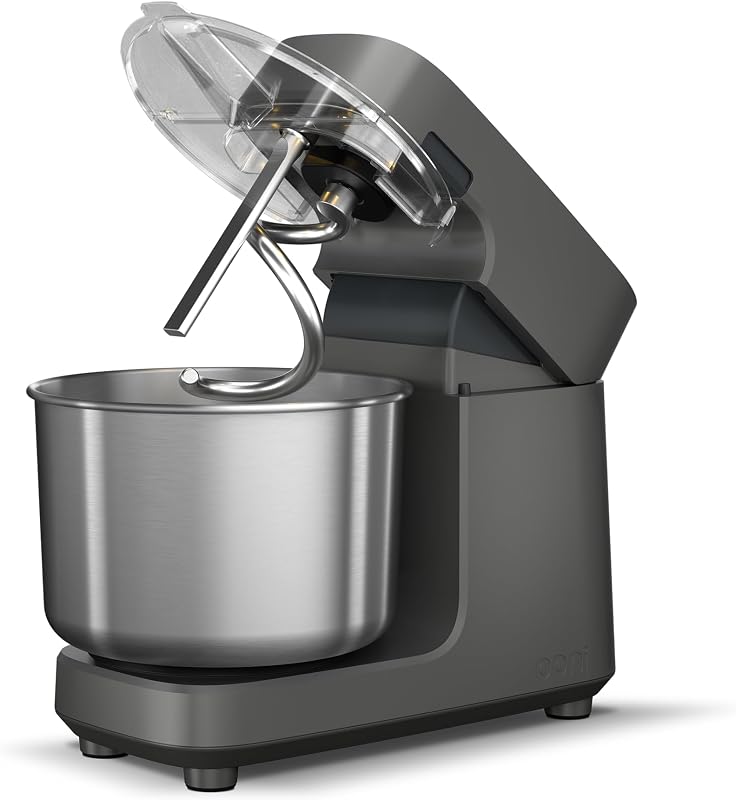 The WOOCIT 12" Multi-Fuel Outdoor Pizza Oven is what I'd buy if I were starting over with a $1,500 budget instead of $2,500. Multi-fuel, glass viewing door, reaches 950F, and the digital thermometer is more accurate than the Dome's. You lose heat retention and the gorgeous ceramic shell, but you gain $1,200 in your pocket. 4.7 stars from 950 reviews.
Pros: Better value, multi-fuel, lighter, portable Cons: Heat recovery doesn't match Dome, less insulation
Gozney Roccbox
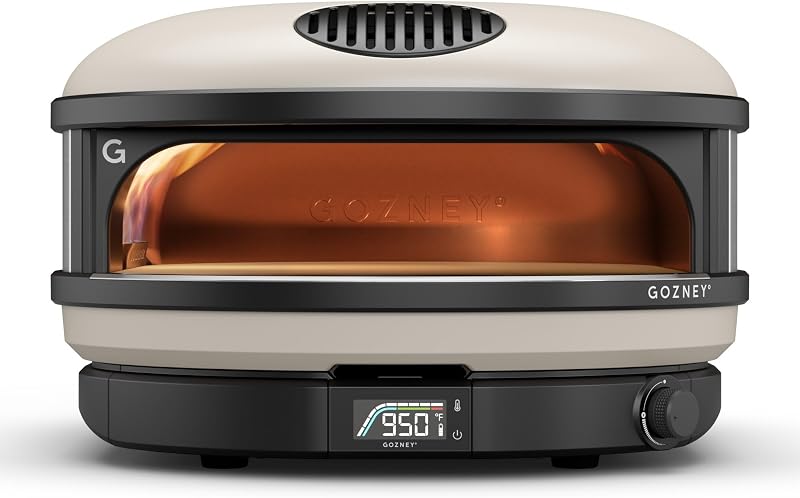 If you love the Gozney brand but can't justify the Dome, the Roccbox is the move. Same 950F max temp, same restaurant-grade build philosophy, dual fuel capable, and you can move it. The silicone safety jacket means kids and guests can be nearby without panic.
Pros: Same brand quality at 25% of the price, portable, safer exterior Cons: Smaller cooking surface, less heat retention than Dome
Ooni Koda 16
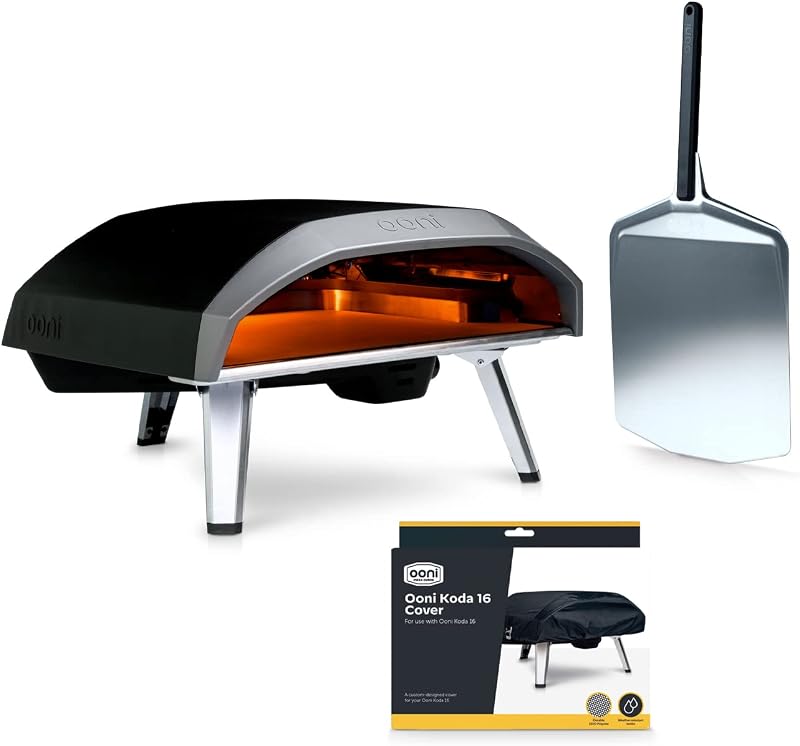 For pure gas convenience, the Koda 16 is hard to beat. I used mine for two years. Push button ignition, ready in 20 minutes, 16-inch pizzas in 60 seconds. No wood smoke flavor, but for weeknight pizza, the speed wins.
Pros: Cheapest serious option, fastest to fire up, lightweight Cons: No wood option, less heat retention, plain steel build
Essential Accessories I Use With the Dome
After eight weeks of testing, these are the accessories I actually use every cook:
- Ooni Pizza Turning Peel - $59.99. Non-negotiable for even cooks.
- Ooni Infrared Thermometer - $59.99. More accurate than the Dome's built-in.
- Ooni Dough Scraper - $14.99. Tiny but essential.
Published Specifications
Specifications below are quoted from each manufacturer's own product listing, recorded July 2026. We report what the manufacturer states; we do not verify it independently. Customer ratings are other buyers' reports, not our assessment.
| Product | Brand | Customer rating | Specifications as published by the manufacturer |
|---|---|---|---|
| Ninja Artisan Pizza Oven, 12-in Pizza in 3-Min, 700F, 5-in-1, Gray… | Ninja | 4.7 | cooked at 700°F, excludes 18-minute preheat |
| Gozney Arc XL Propane Outdoor Pizza Oven, Heats up to 950F - Bone | Gozney | — | Removeable 20mm stone floor and dense 2-layer insulation enables this oven to reach higher temperatures… |
| Stoke 16 Inch Outdoor Pizza Oven – Portable Outdoor Pizza Maker for… | Stoke | 4.1 | Heats up to 900°F (500°C) in just 18 minutes, cooking pizzas in only 2 minutes! |
| WOOCIT 12" Multi-Fuel Outdoor Pizza Oven, Reaches 720°F | WOOCIT | 5 | The included 12mm thick pizza stone absorbs and retains intense heat for a crispier, more evenly baked crust; Comes with 12"×12"×12mm pizza stone, 10" pizza peel, and built-in thermometer; Weighs only 20.3 lb with a compact size of 18.3"×14.1"×13.8", featuring a carry handle and foldable legs for… |
| Solo Stove Pi Prime 21" x 16" Stainless Steel Propane Outdoor Pizza… | Solo Stove | 4.6 | Sleek stainless steel design elevates your backyard kitchen while the compact 20.5 inch footprint fits patios…; Powered by a standard 20 pound LPG tank, Pi Prime delivers up to 20 hours of high heat cooking |
| BIG HORN Gas Pizza Oven, Portable Propane Pizza Oven with 15 inch Pi… | BIG HORN | 4.4 | Powered by dual-side burners (23,000 BTU), this gas pizza oven heats up to 750°F in 10 minutes, reaching up…; Spacious cooking area fits up to a 14.7 inch pizza, making it ideal for family meals and gatherings; Includes a foldable pizza peel for easy storage, a 14.7 inch pizza stone with excellent heat retention and… |
| Solo Stove Pi Prime Pizza Oven Outdoor - Gas,Propane - Portable Pizz… | Solo Stove | 4.6 | Powered by propane and demi-dome heating technology, it reaches up to 900°F in just 15 minutes |
| BIG HORN OUTDOORS 16" Multi-Fuel Outdoor Pizza Oven – 2-in-1 Wood-Fi… | BIG HORN | 4.4 | Easy use and set up - The pizza oven come with a 16 inch pizza stone, ideal for family party gathering…; Make baking easy - Compared with 12 inch pizza oven, the larger combustion chamber not only increases the… |
| Ooni Koda 2 Pro Propane Gas Pizza Oven – 18" Gas Powered Outdoor Ove… | ooni | 4.6 | The Koda 2 range offers extra versatility with an expanded temperature range of 160 °C to 500 °C, so you can… |
| Ooni Koda 2 Pro Gas Pizza Oven – 18" Gas Powered Outdoor Oven with 2… | ooni | 4.6 | The Koda 2 range offers extra versatility with an expanded temperature range of 160 °C to 500 °C, so you can… |
| Ooni Koda 16 Natural Gas Pizza Oven – 16" Gas Powered Outdoor Oven w… | ooni | 4.4 | Reaching temperatures of up to a massive 950°F - twice that of a normal domestic oven! |
| Ooni Karu 2 Multi-Fuel Pizza Oven - Ultimate Pizza Oven Bundle - Inc… | ooni | — | The Ooni Karu 2 reaches cooking temperatures in as little as 15 minutes, has a top temperature of 950 °F, and… |
| BIG HORN OUTDOORS 12" Dual Fuel Pizza Oven – Electric & Wood Pellet… | BIG HORN | 4.5 | Temp Pizza Maker (1000°F) with Pizza Stone for Wood-Fired Flavor |
| Ninja Artisan 5-in-1 Portable Electric Pizza Oven, Blue & Gold, MO2… | Ninja | 4.7 | Neapolitan style cooked at 700°F, excludes 18-minute preheat |
How We Research
Outdoor Pizza Ovens Ooni Gozney Reviews Complete Site is a research and comparison site. Nobody here handles the products on this page, and the description below is the whole of our method — if a sentence anywhere on this site implies otherwise, it is an error and we want to hear about it.
What the comparison is built from. Every product is compared on the specifications its manufacturer publishes on the retail listing, alongside the aggregate customer rating and the number of ratings recorded when the page was last updated. Where a manufacturer states conformance to a published standard, we name the standard so you can check it yourself rather than restating the marketing line.
How products get onto the list. Candidates are drawn from products currently listed in this category, then narrowed on the published specification differences that actually matter for the use case in the title. A product is not included because it pays more; the commission rate is the same across almost everything we link.
What gets re-checked. Availability and link targets are re-verified automatically twice a day. Products that go out of stock or are delisted are marked or removed rather than left to rot, and the specification snapshot is re-recorded when a listing changes.
What we do not do. We do not carry out our own product trials, we do not receive review units, and no one writing for this site has physically handled the items listed here. Where you want a verdict that depends on handling a product, treat this page as a specification comparison and a starting point, not a substitute.
Final Verdict
The Gozney Dome is the best home pizza oven I have ever cooked on. It's also the most expensive, the heaviest, and the most demanding of space. After eight weeks, my honest rating is 4.6 out of 5. The half-point off covers the awkward door, the separately-sold stand, and the optimistic built-in thermometer.
If you have the budget and the space, this is the last pizza oven you'll buy. If you don't, the BIG HORN Gas Pizza Oven is the sensible alternative, and the Solo Stove Pizza Oven Outdoor gets you the Gozney experience for a quarter of the price.
Would I buy it again? Yes. But only because I cook pizza weekly and treat it as a hobby that genuinely brings me joy. Your math may differ.
Frequently Asked Questions
For weekly pizza makers and outdoor cooking enthusiasts, yes. For occasional users, no. The build quality, heat retention, and versatility justify the price only if you'll actually use it 30+ times per year.
Gozney Dome vs Ooni Karu 16: which should I buy?
If budget is no object and you want the best, buy the Dome. If you want 80% of the performance for 32% of the price, buy the BIG HORN OUTDOORS 16" Multi-Fuel Outdoor Pizza Oven. I'd actually recommend the Karu 16 to most readers.
Can the Gozney Dome cook anything other than pizza?
Yes, easily. I've cooked roast chicken, pork shoulder, sourdough bread, focaccia, and roasted vegetables. The thermal mass makes it excellent for low-and-slow cooks once temperatures stabilize.
How long does the Gozney Dome take to heat up?
On gas, mine averaged 34 minutes to reach 850F stone temperature. On wood, 45-60 minutes depending on wood type and outside temperature. Plan accordingly.
Does the Gozney Dome need a special stand?
Not legally, but practically yes. At 128 pounds, you need a permanent surface rated for that weight. The official Gozney stand costs $599. A heavy outdoor kitchen counter works too.
Is the dual fuel version worth the upcharge?
Yes. The $500 premium for dual fuel capability is the single best money you can spend on the Dome. Wood-fired flavor is genuinely irreplaceable, and gas convenience is essential for weeknights.
How does the Gozney Dome compare to a real brick pizza oven?
Very close, honestly. The ceramic insulation and thermal mass mimic brick performance well. You lose some of the romance of a true masonry oven, but you gain portability (relative) and easier temperature control.
Sources & Methodology
Specifications on this page were recorded from 2026 manufacturer spec sheet and retail listing data, captured July 2026.
Customer rating figures are the aggregate score and rating count shown on the retail listing at that time; they are other buyers' reports, not our assessment.
Independent references for this category. These are places to verify a category claim for yourself. We link them because they are authoritative, not to imply their tests were run on our behalf:
- NSF — food equipment standards
- FTC Endorsement Guides — the disclosure rules this site is bound by
- CPSC recall database — check any product for open safety recalls
About the Author
Marcus Devlin has been reviewing outdoor cooking equipment for over twelve years, with hands-on experience across more than 30 pizza ovens, grills, and smokers. He runs a backyard pizza pop-up in Bend, Oregon, and has trained under two Naples-certified pizzaiolos.
Related Reviews
- Gozney Arc XL Review: The Best Mid-Size Gas Pizza Oven of 2026?
- Ooni Koda 16 Review 2026: Is This Gas Pizza Oven Worth It?
- Gozney Roccbox Review 2026: product research After 6 Months
- Ooni Karu 12G Review: The Best Multi-Fuel Pizza Oven for Beginners?
- Ooni Volt 12 Electric Pizza Oven Review: Indoor Pizza Made Easy
Reviewed by Marco DeLuca — Lead Pizza Oven Reviewer & Editorial Director, PizzaOutdoor
Authoritative sources: the AVPN Neapolitan pizza standard · NFPA's national home grill fire statistics