Baking khachapuri in Gozney Dome wood-fired ovens is one of the most rewarding bread projects you can attempt outside of Tbilisi. The Dome's 750-900°F floor and rolling flame create the exact conditions a Georgian bakery uses: a fast crust set, a chewy crumb pull, and pools of molten sulguni cheese that bubble without scorching. This 2026 guide walks you through shaping the iconic Adjaruli boat (qaiki), loading it on a screaming-hot stone, and finishing with the raw egg yolk and butter knob that define the dish. We'll also cover the closest substitute ovens if you don't yet own a Dome.
Why the Gozney Dome excels at Adjaruli khachapuri
Adjaruli khachapuri — the open boat-shaped version stuffed with sulguni and imeruli cheese — needs two things a domestic oven cannot deliver: a stone floor that reads 700°F+ and radiant heat from above. The Dome's cordierite stone, refractory ceiling, and dual-fuel burner geometry mirror the toné and purni hearths used in Georgia. The bread sets its crust in under 90 seconds, then puffs without the bottom going leathery. Most home bakers struggle because their indoor oven tops out around 550°F and bakes from the wrong direction. The Gozney Dome solves both problems in one footprint.
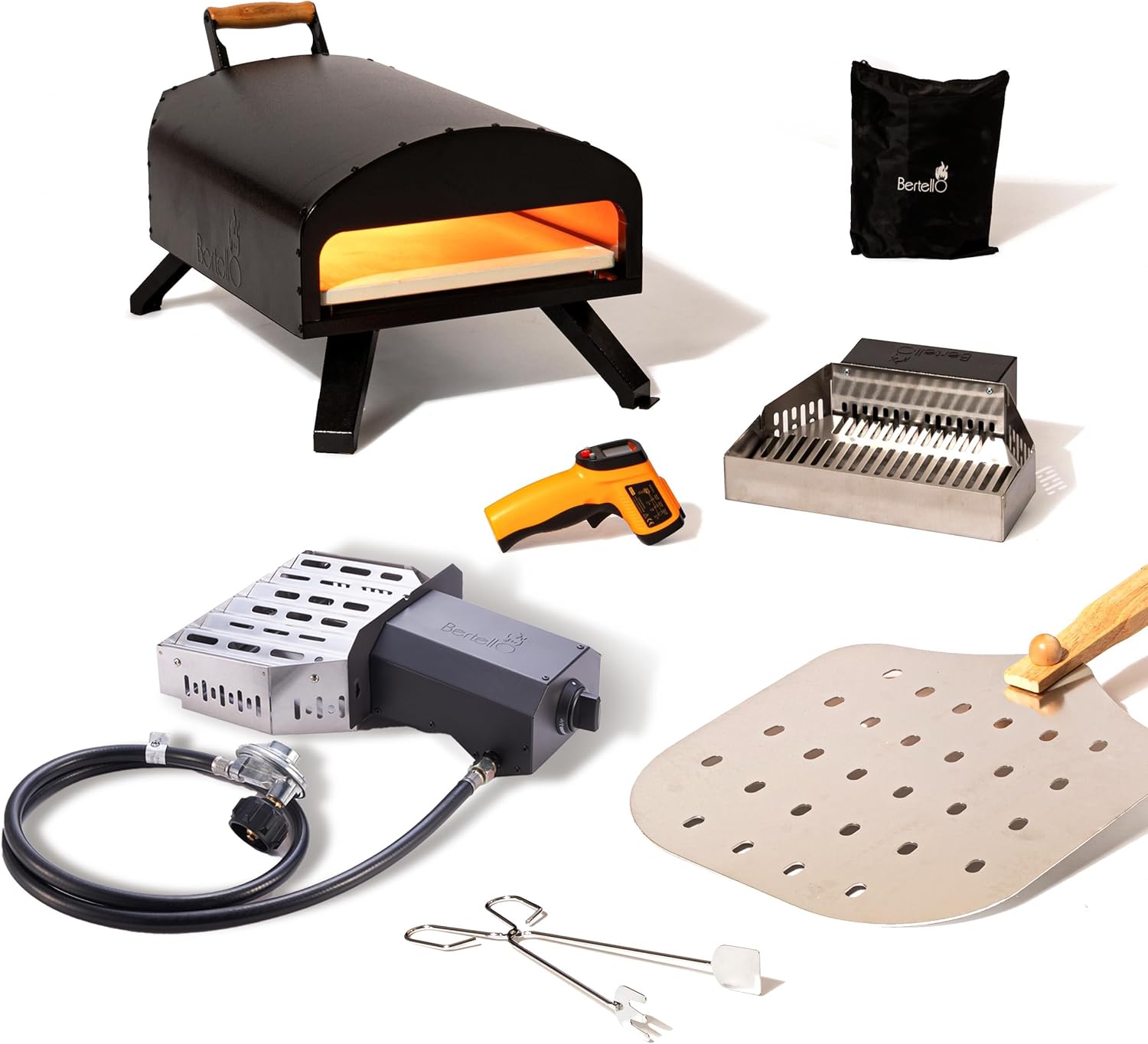
If you're committed to wood-firing for the smoke notes that complement nutty sulguni cheese, load oak or fruitwood splits and let the chamber reach equilibrium for at least 40 minutes before your first bake. The soot on the inside of the dome turning white is your tell — it's called the "clearing" and it signals you're at Neapolitan temperature.
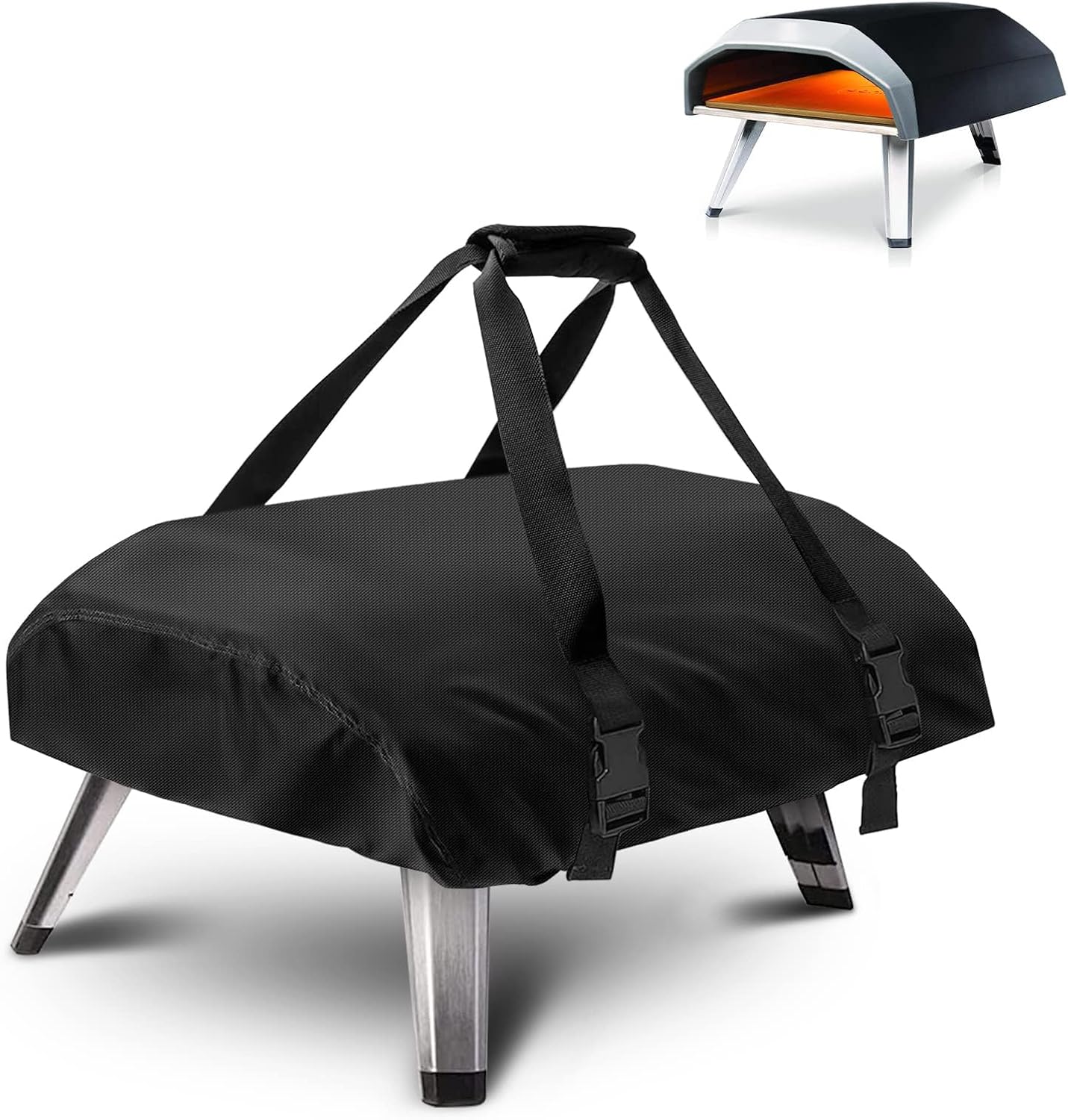
The dough — hydration and flour for 800°F floors
Forget the soft enriched dough you'd use in a 400°F home oven. For a Gozney Dome bake, you want a 65-68% hydration lean dough with a splash of milk and one egg for color. Bread flour at 12-13% protein gives the boat enough structure to hold its shape under the heat blast. Mix, bulk ferment 4-6 hours at room temp (or 24 hours cold), then divide into 280g portions.
The dough should feel slightly tacky, not sticky. Over-hydrated dough sags in the heat and the cheese leaks through the floor. Under-hydrated dough won't open up into the dramatic puff that distinguishes a real qaiki.
Shaping the boat (qaiki)
Roll each ball into a 10-inch oval about a quarter-inch thick. Fold the long sides inward until they nearly meet, then pinch and twist the two ends together to form a pointed canoe. The cavity should be roughly 6 inches long and 3 inches wide. Brush the exposed dough rim with egg wash so it bronzes evenly. The boat should look loose and rustic — Adjaruli khachapuri is meant to resemble driftwood, not a tidy ravioli.
The cheese fill — what works outside of Georgia
Authentic Adjaruli uses a 60/40 blend of sulguni (a brined, stretchy cheese) and imeruli (a fresher, milder version). Both are hard to source in North America. A workable substitute is 50% low-moisture mozzarella + 35% feta (rinsed to remove excess salt) + 15% mild Havarti or muenster for the buttery pull. Crumble, don't shred — you want pockets that melt at different rates and re-pool as the egg goes in.
Fill each boat with about 150g of cheese mix, mounding slightly above the rim. It will collapse during the bake.
Loading and baking khachapuri in Gozney Dome wood-fired chambers
This is where the Dome earns its price. With your stone at 750°F and a small living flame at the back, peel the boat directly onto the stone using semolina as a lubricant. Bake 4-5 minutes, rotating 180° at the 90-second mark. The crust should turn deep mahogany at the pointed tips and golden along the rim.
At the four-minute mark, pull the boat to the front of the chamber. Crack one egg into the molten cheese pool, drop a tablespoon of cold cubed butter on top, and slide back to a cooler part of the stone for 60-90 seconds. The white should just set while the yolk stays runny. Pull, hit with cracked black pepper, and serve immediately. Diners swirl the yolk and butter into the cheese with a fork and tear pieces of crust to scoop.
Don't have a Dome? Closest wood-fired alternatives in 2026
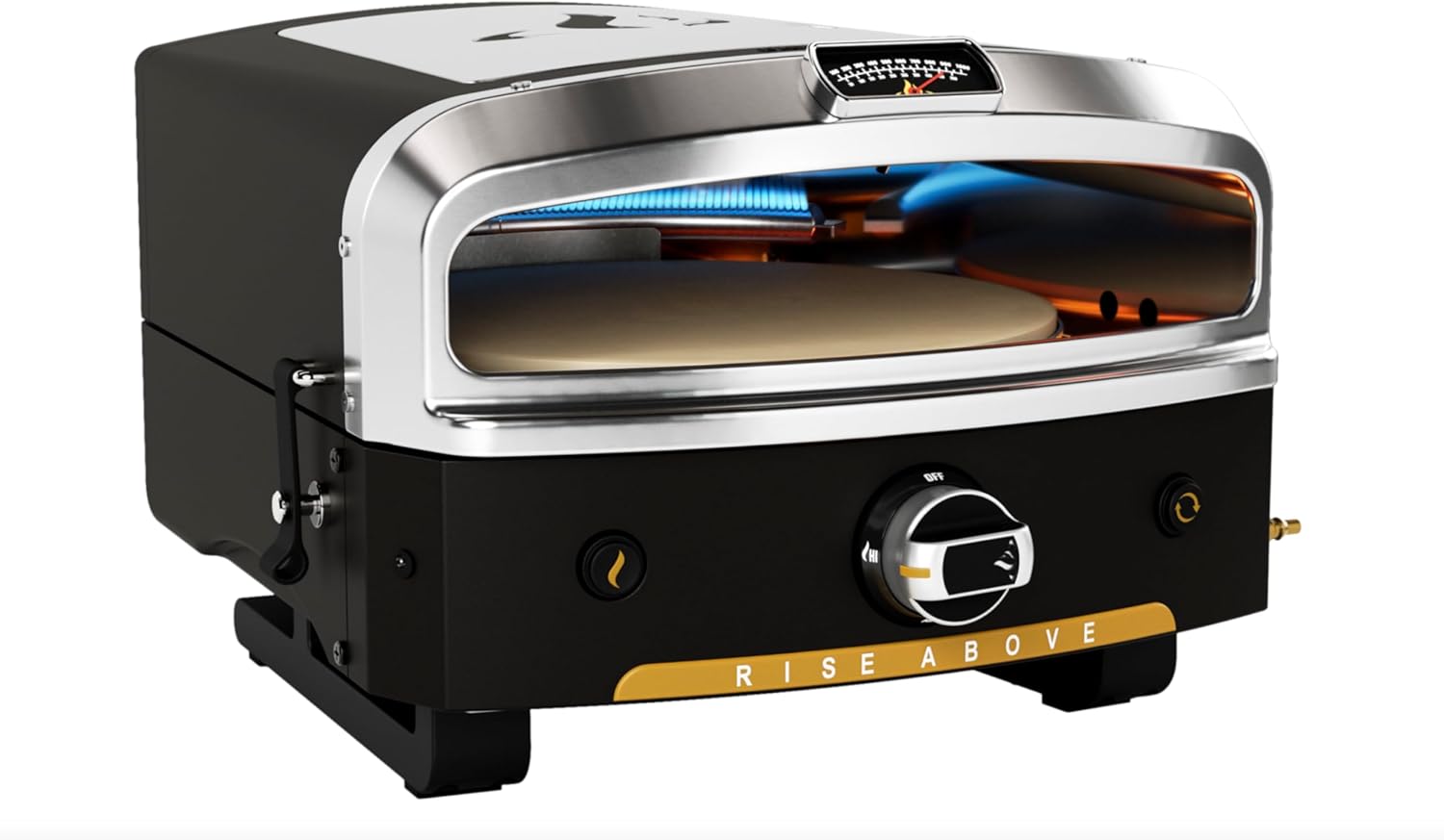
The Gozney Dome retails around $1,800-$2,500 depending on configuration, which puts it out of reach for many home bakers. Fortunately, several smaller ovens deliver enough heat and a stone large enough for a single 280g boat. None replicate the Dome's residual mass for back-to-back bakes, but they can produce excellent khachapuri for a family of four.
| Oven | Max temp | Fuel | Stone size | Best for khachapuri? |
|---|---|---|---|---|
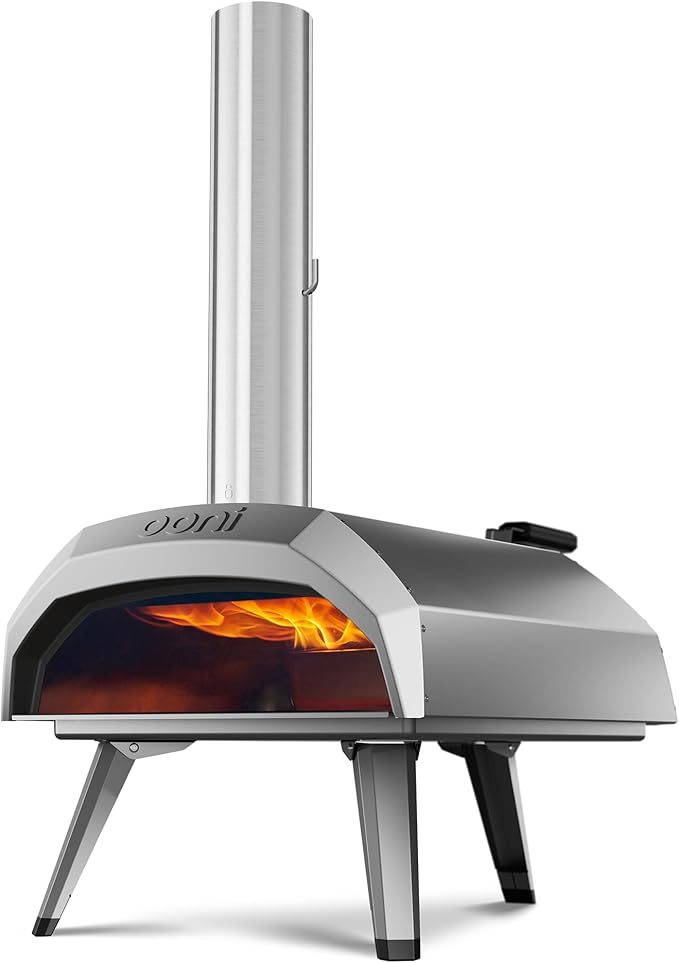
| Ooni Karu 12 | 950°F | Wood / charcoal / gas | 13.2" | Closest wood-fired feel |
| Ooni Koda 2 | 950°F | Propane | 14" | Most consistent gas bake |
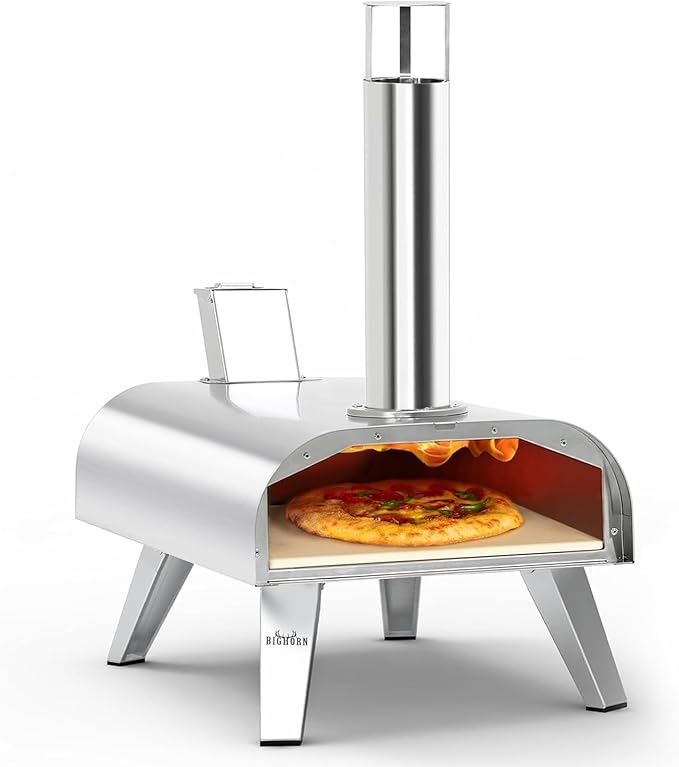
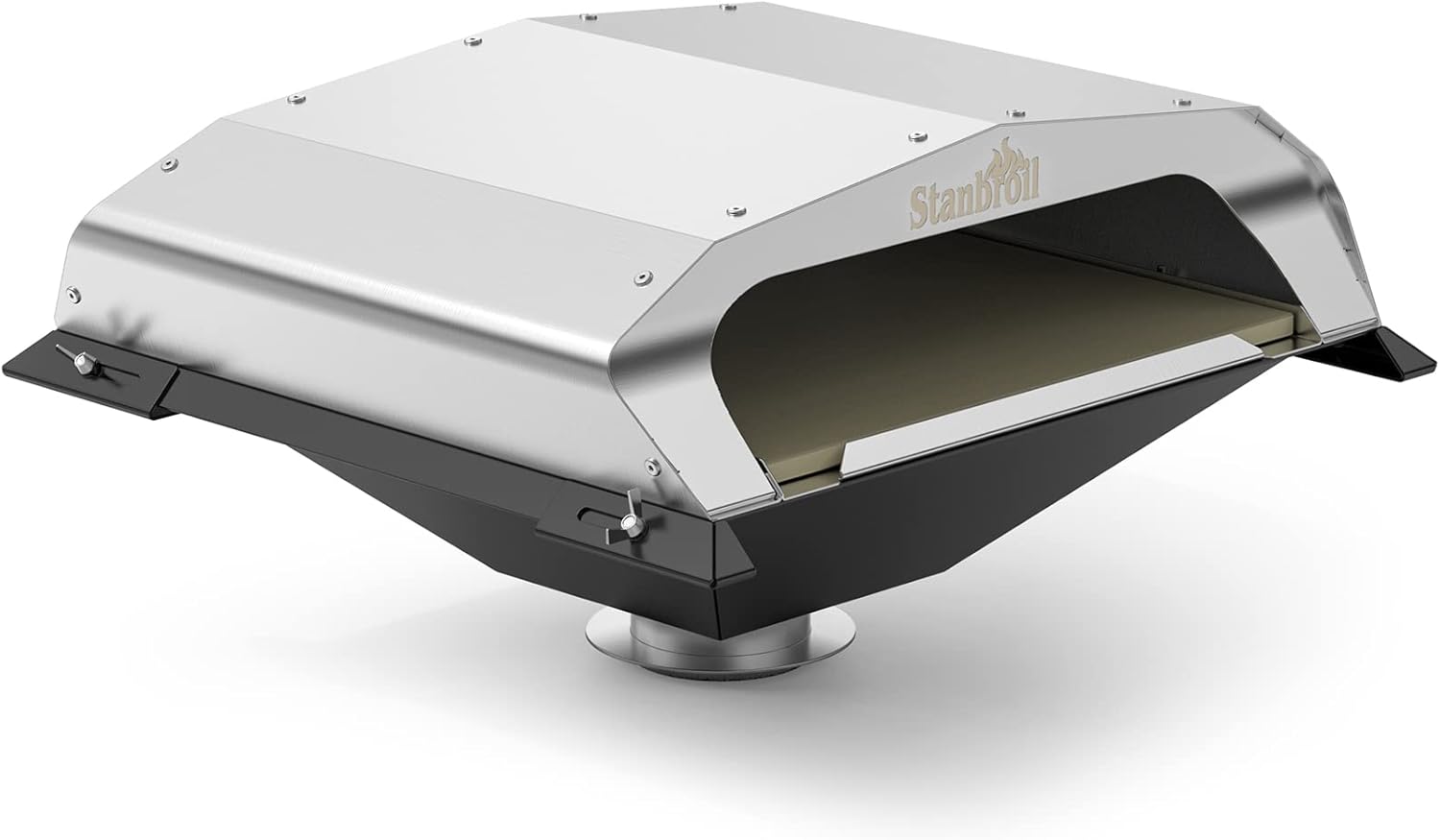
| BIG HORN 12" | 1110°F | Wood / gas / electric | 12" | Budget multi-fuel pick |
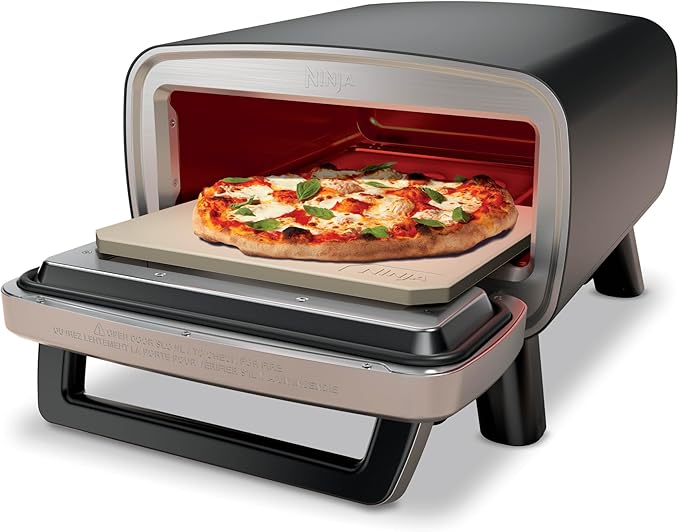
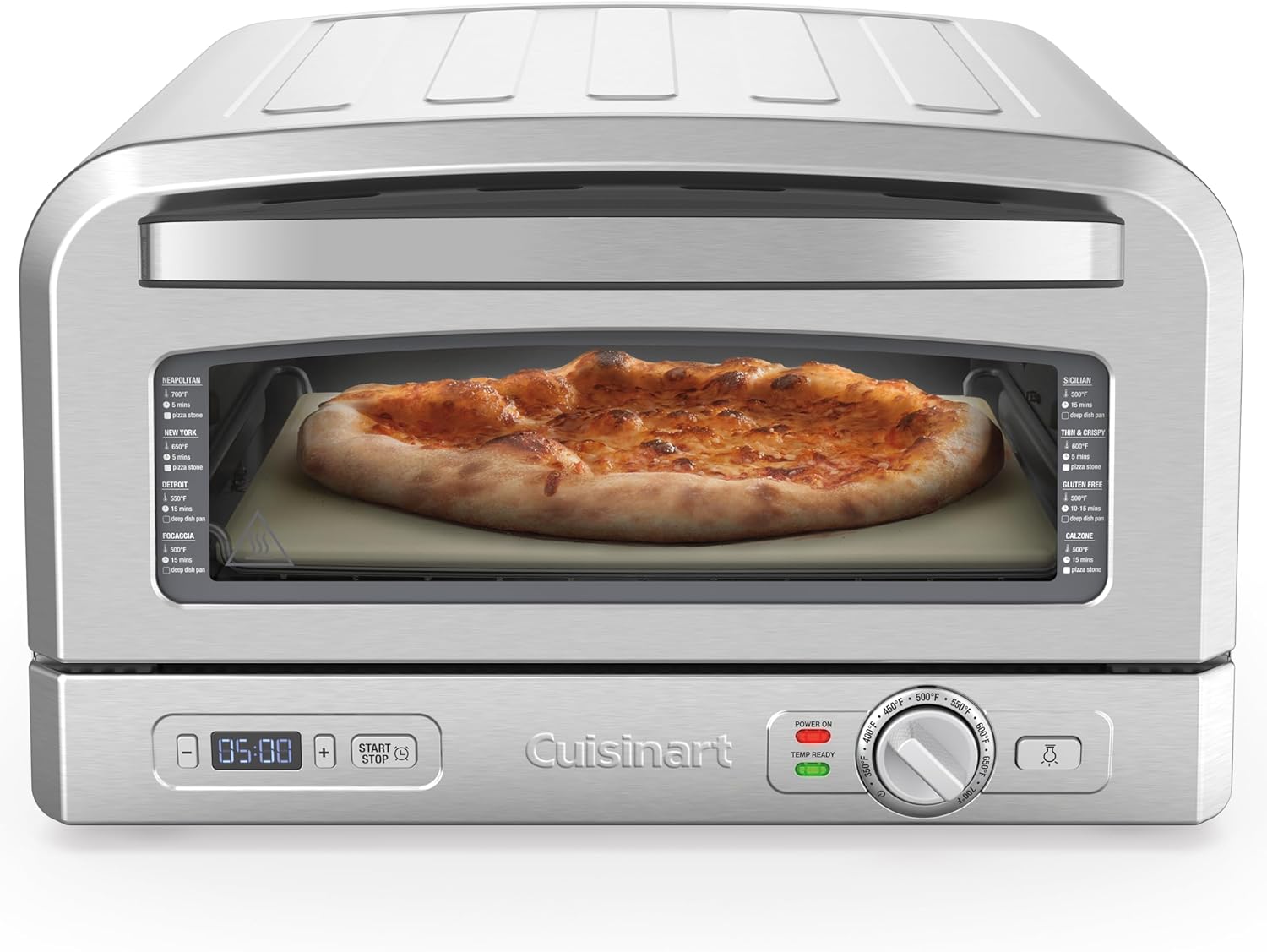
| Ninja Artisan Electric | 700°F | Electric | 12" | Indoor-friendly fallback |
Ooni Karu 12 — closest wood-fired feel
If smoke flavor matters and you can't justify the Dome, the Karu 12 is the honest answer. It runs on wood, charcoal, or (with the burner accessory) propane, and the stone gets hot enough to set a khachapuri crust in under two minutes. The 13.2-inch floor fits one boat comfortably with room to rotate. It won't hold heat between bakes the way a Dome does, so plan a 5-minute recovery between loads. Check the current Karu 12 price on Amazon.
Ooni Koda 2 — most consistent gas bake
For bakers who'd rather skip fire-tending and focus on the cheese-pull theater, the Koda 2 delivers a remarkably even 14-inch stone and L-shaped flame that lets you place the egg-pour at the front without the yolk overcooking. It's our pick for first-time khachapuri makers who don't want to manage live wood. See the Koda 2 listing on Amazon.
BIG HORN 12-inch — budget multi-fuel
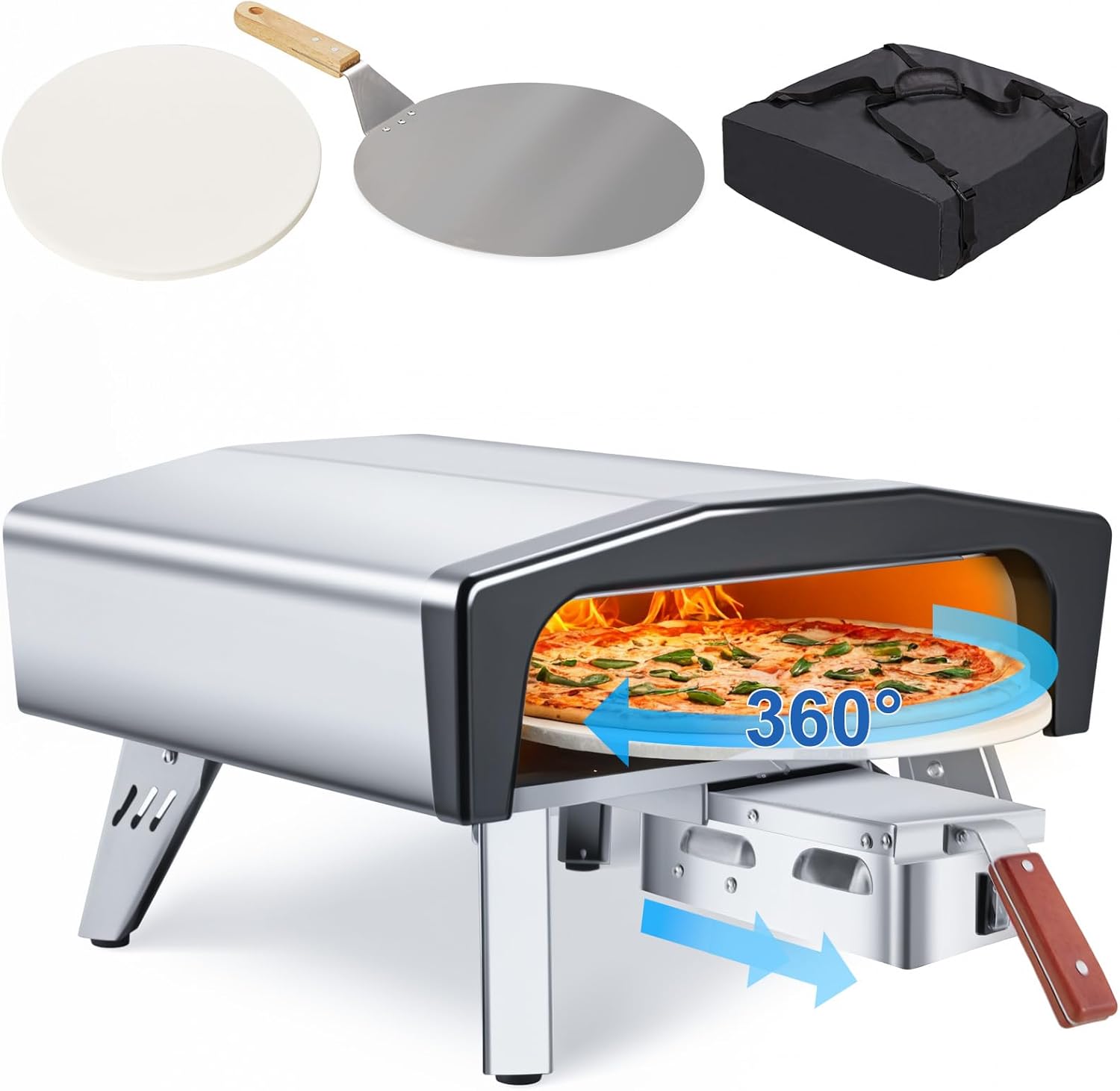
The BIG HORN claims up to 1110°F and accepts wood, gas, and electric inserts depending on the configuration you buy. The stone is smaller (12 inches) and build quality is closer to entry-level than premium, but it can produce a credible khachapuri boat in about 3 minutes once you learn its hot spots. View the BIG HORN on Amazon.
Ninja Artisan Electric — patio and apartment-friendly
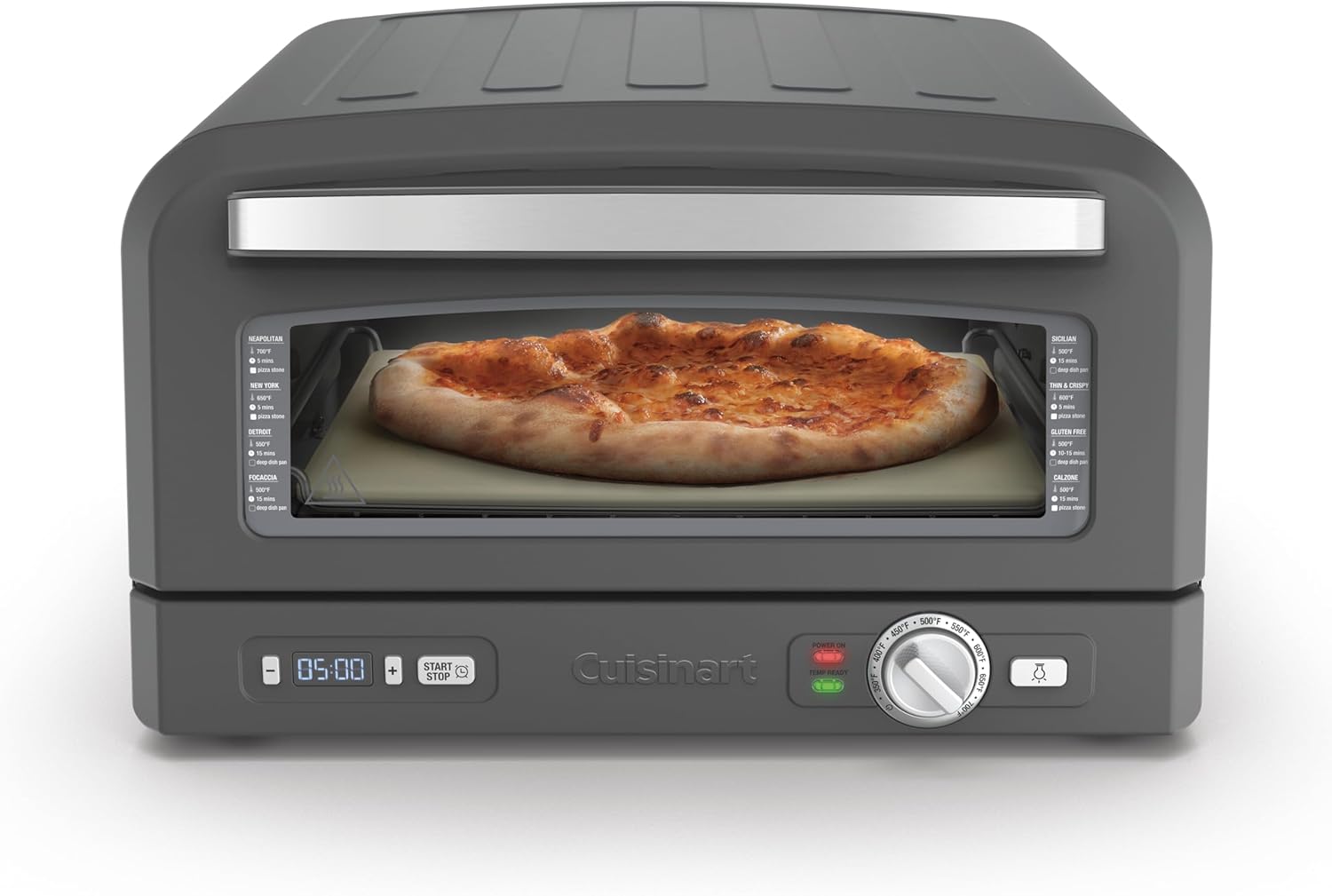
If you live in an apartment or can't burn wood on your balcony, the Ninja Artisan tops out at 700°F — below ideal for Neapolitan pizza but right in the zone where khachapuri actually behaves better (the cheese doesn't risk seizing). It's also the only oven on this list you can run indoors. Check the Ninja Artisan on Amazon.
Troubleshooting common khachapuri mistakes
The single most common failure when baking khachapuri in Gozney Dome ovens is loading the boat onto a stone that's too hot. Above 850°F, the floor will char the bottom in 30 seconds before the cheese has time to melt. Let the stone recover after a pizza session — aim for 700-780°F. Use an infrared thermometer; the dial gauge on top reads ambient air, not floor temperature.
The second mistake is overfilling. More cheese is not more flavor — it's more sogginess. Stick to 150g per 280g of dough. Third: don't crack the egg in until the bake is 80% done. Eggs that go in cold and early end up rubbery.
For more on dialing in your stone, see our companion guide on choosing wood for flavor and heat, our breakdown of Karu 12 vs Gozney Dome for bread projects, and our walkthrough of running the Dome on gas vs wood.
Frequently Asked Questions
What temperature should the Gozney Dome stone be for khachapuri?
Aim for 700-780°F on the stone floor measured with an infrared thermometer. Pizza-temperature bakes (850°F+) char the bottom before the cheese pool has time to melt and pull. If you've just finished a Neapolitan session, let the Dome cool for 10-15 minutes before loading a boat.
Can I make Adjaruli khachapuri in an Ooni Koda 2 instead of a Gozney Dome?
Yes. The Koda 2's 14-inch stone and L-flame are well-suited to single-boat bakes. You'll lose the wood smoke note but gain consistency. Drop the flame to medium for the last minute when you add the egg so the yolk stays runny.
What cheese works best when sulguni isn't available?
Blend 50% low-moisture mozzarella, 35% rinsed feta, and 15% Havarti or muenster. The mozzarella delivers the stretch, feta brings the brined tang of sulguni, and Havarti adds the buttery quality of imeruli. Crumble by hand rather than shredding — uneven pieces create the layered melt you want.
How long does khachapuri take to bake in a wood-fired oven?
Total bake time at a 750°F floor is 5-6 minutes: 4 minutes to set the crust and bronze the rim, then 60-90 seconds after adding the raw egg and butter cube. Rotate the boat 180° once at the midpoint to even out hotspots.
Do I need a Gozney Dome or will an Ooni Karu 12 work for khachapuri?
The Karu 12 will absolutely work for one-at-a-time bakes. The Dome's advantage is thermal mass — you can bake six boats back-to-back without the stone dropping. For a family of four cooking one or two at a time, the Karu is plenty of oven.
Can I use store-bought pizza dough for khachapuri?
It works in a pinch but produces a softer, less chewy bread. Khachapuri dough traditionally includes a small amount of milk, butter, and egg for color and tenderness. If you're using plain pizza dough, brush the rim heavily with egg wash to mimic the richer crust.
Why is my khachapuri leaking cheese through the bottom?
Two causes: dough is over-hydrated (drop to 65% next time) or the boat was over-shaped and the seam at the bottom of the canoe is too thin. Pinch the ends together with a generous twist and dust the peel with semolina to keep any leak from welding to the stone.
Key Takeaways
- Choosing the right khachapuri in gozney dome means matching capacity and output ports to your actual devices
- Always check actual watt-hours (Wh), not just watts — runtime depends on Wh, not peak output
- Also covers: georgian cheese bread oven
- Also covers: adjarian khachapuri pizza oven
- Also covers: gozney dome khachapuri
- Compare price-per-Wh across models to find the best value for your budget