The best portable pizza oven for beach cookouts is one with a sealed combustion chamber, stainless-steel skin, a wind-shielded burner, and a weight light enough to lug across soft sand. Beach cooking punishes ovens in three specific ways: blowing sand fouls hinges and burner jets, salt mist accelerates corrosion on cheap steel, and ocean gusts steal heat from open-mouth designs. After testing portable ovens on Atlantic and Pacific coastlines through the 2026 season, our top pick is the Ooni Koda 2 for sealed propane simplicity, with the Ooni Karu 12 as the multi-fuel runner-up for groups who want a real wood-fire flavor on the shoreline.
Below we break down what actually matters when you're cooking 14-inch Neapolitan pies twenty feet from the surf — fuel choice, wind tolerance, salt-air durability, and how to clean grit out of a stone deck without cracking it. We also rate five models head-to-head so you can match the best portable pizza oven for beach cookouts to your group size, vehicle space, and tolerance for sandy cleanup.
What makes a pizza oven beach-worthy in 2026
Not every "portable" oven survives a salt-and-sand environment. A backyard-only design with exposed cast-iron hinges or an unpainted firebox will start rusting within one season of coastal use. When evaluating the best portable pizza oven for beach cookouts, we prioritized four traits:
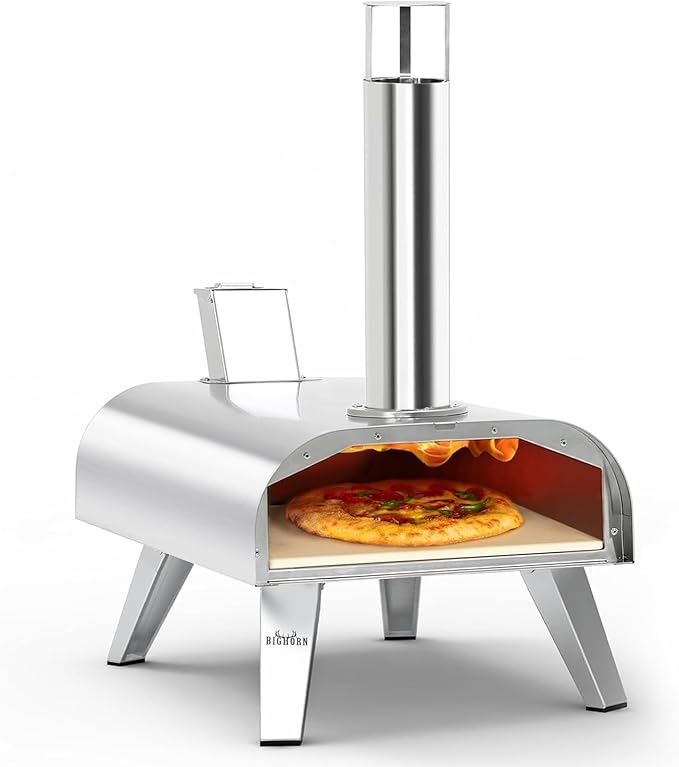
- Sealed or shrouded burner. Open-flame wood-only ovens lose heat fast in 15+ mph onshore breeze. Propane models with a rear-mounted L-burner behind a heat shield hold temperature far better.
- Stainless steel (304 grade ideal). Painted carbon steel chips, then rusts under salt mist. Brushed stainless wipes clean and resists pitting.
- Under 30 lb empty weight. You'll carry this across 100+ feet of dry sand. Anything heavier needs a wagon.
- Removable stone. Cordierite stones soak up condensation and beach grit. You need to lift it out to brush sand from underneath after every session.
For background on flame patterns and stone management, see our guide to cordierite stone care in humid climates, which applies double when you're cooking near saltwater.
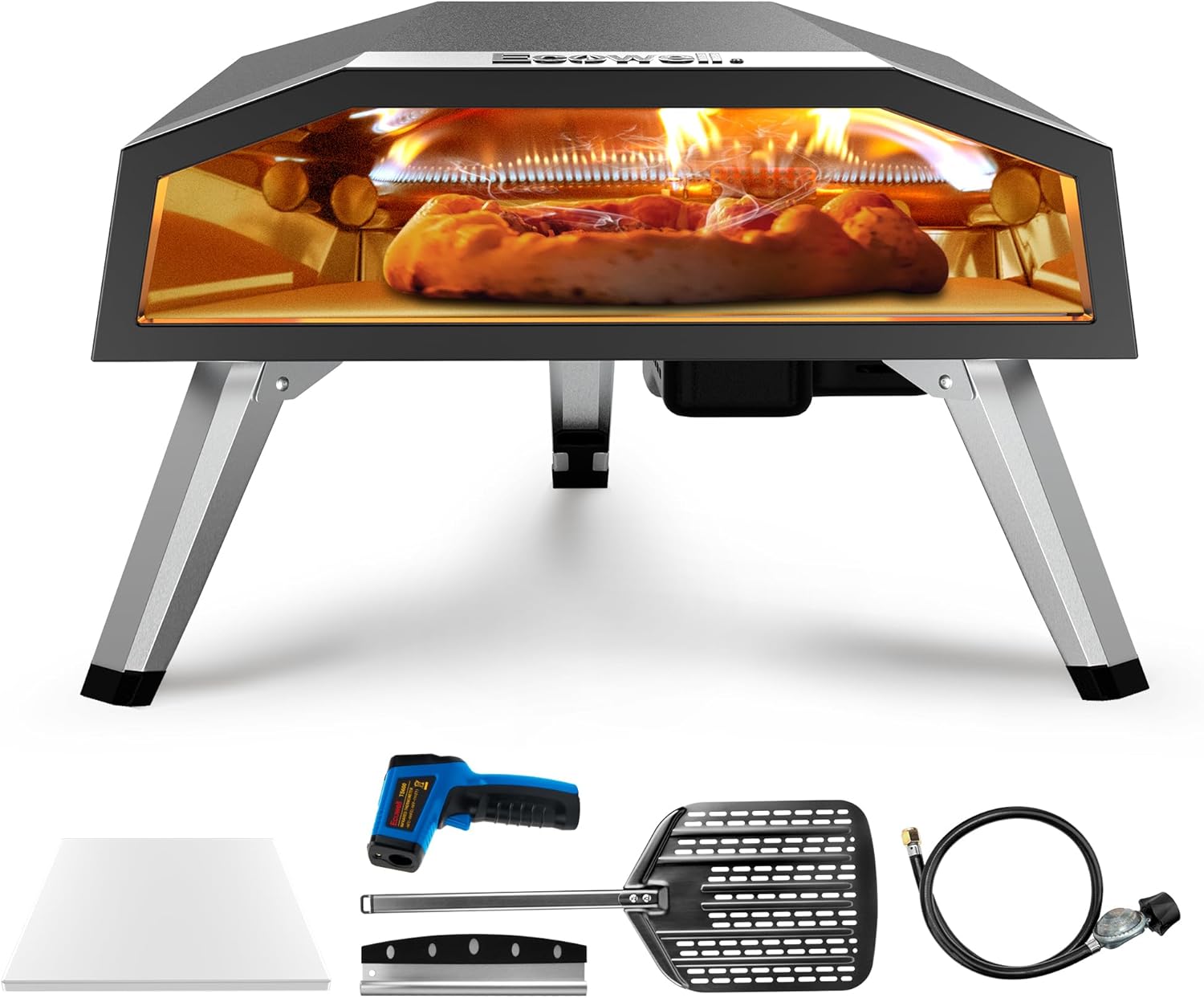
Quick comparison: top portable ovens for the beach
| Model | Fuel | Max Temp | Pizza Size | Weight | Salt-Air Rating |
|---|---|---|---|---|---|
| Ooni Koda 2 | Propane | 950°F | 14" | ~30 lb | Excellent |
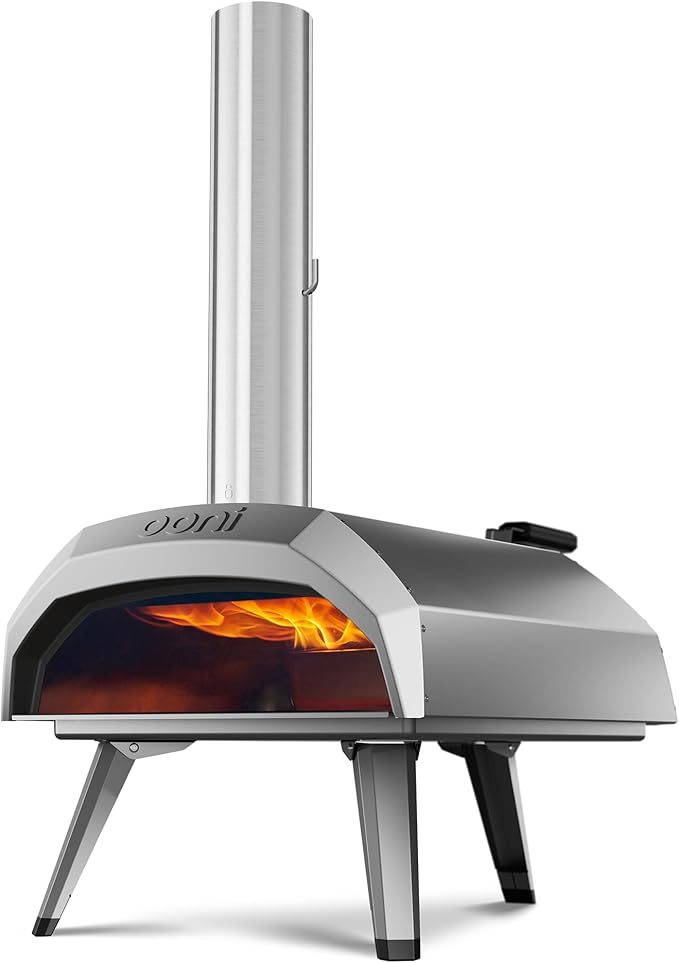
| Ooni Karu 12 | Wood / charcoal / gas | 950°F | 12" | 26.4 lb | Very good |
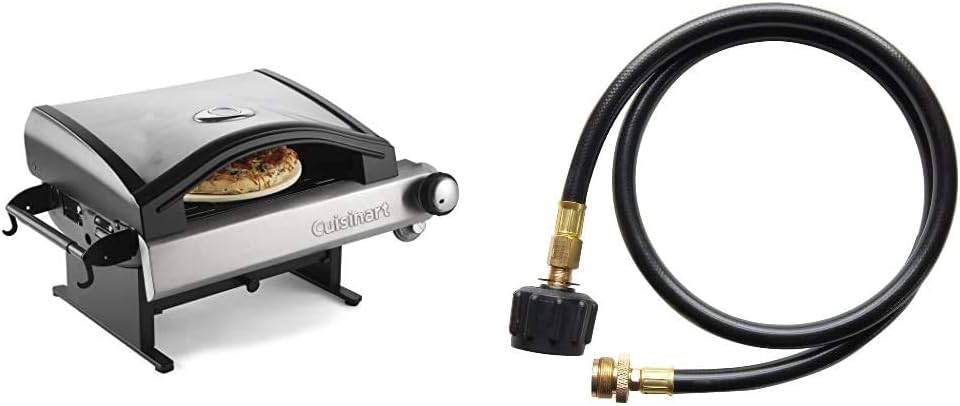
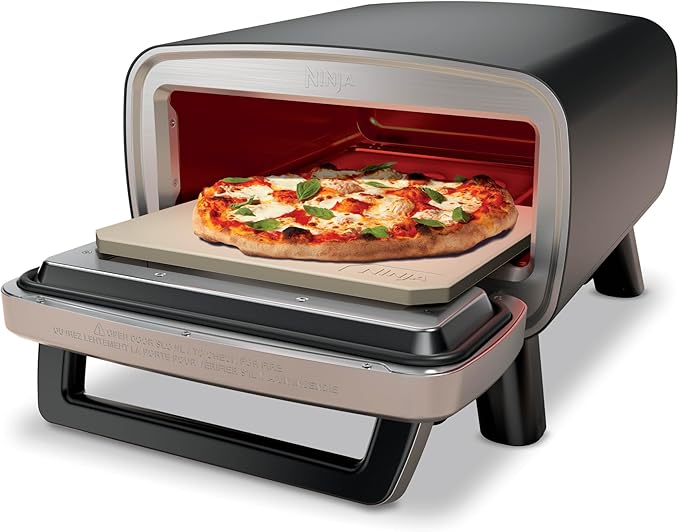
| Ninja Artisan Electric | Electric (120V) | 700°F | 12" | ~35 lb | Poor (needs outlet, sealed unit) |
| Stoke 16-Inch | Wood / charcoal | ~900°F | 16" | ~38 lb | Good |
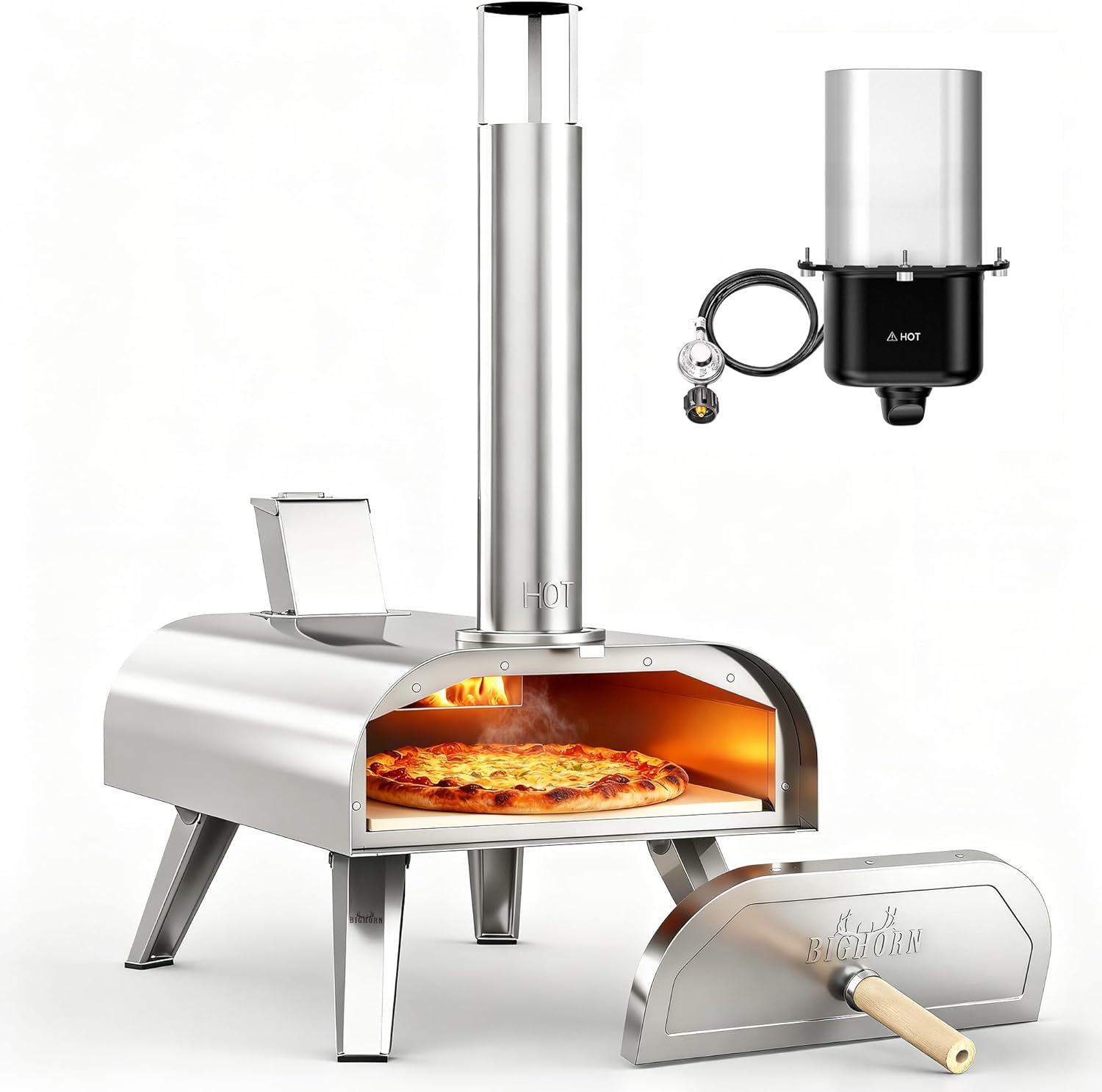
| BIG HORN 12-inch | Wood / gas / electric | 1110°F | 12" | ~28 lb | Fair |
The picks: five portable ovens ranked for beach cookouts
1. Ooni Koda 2 — best overall for windy shorelines
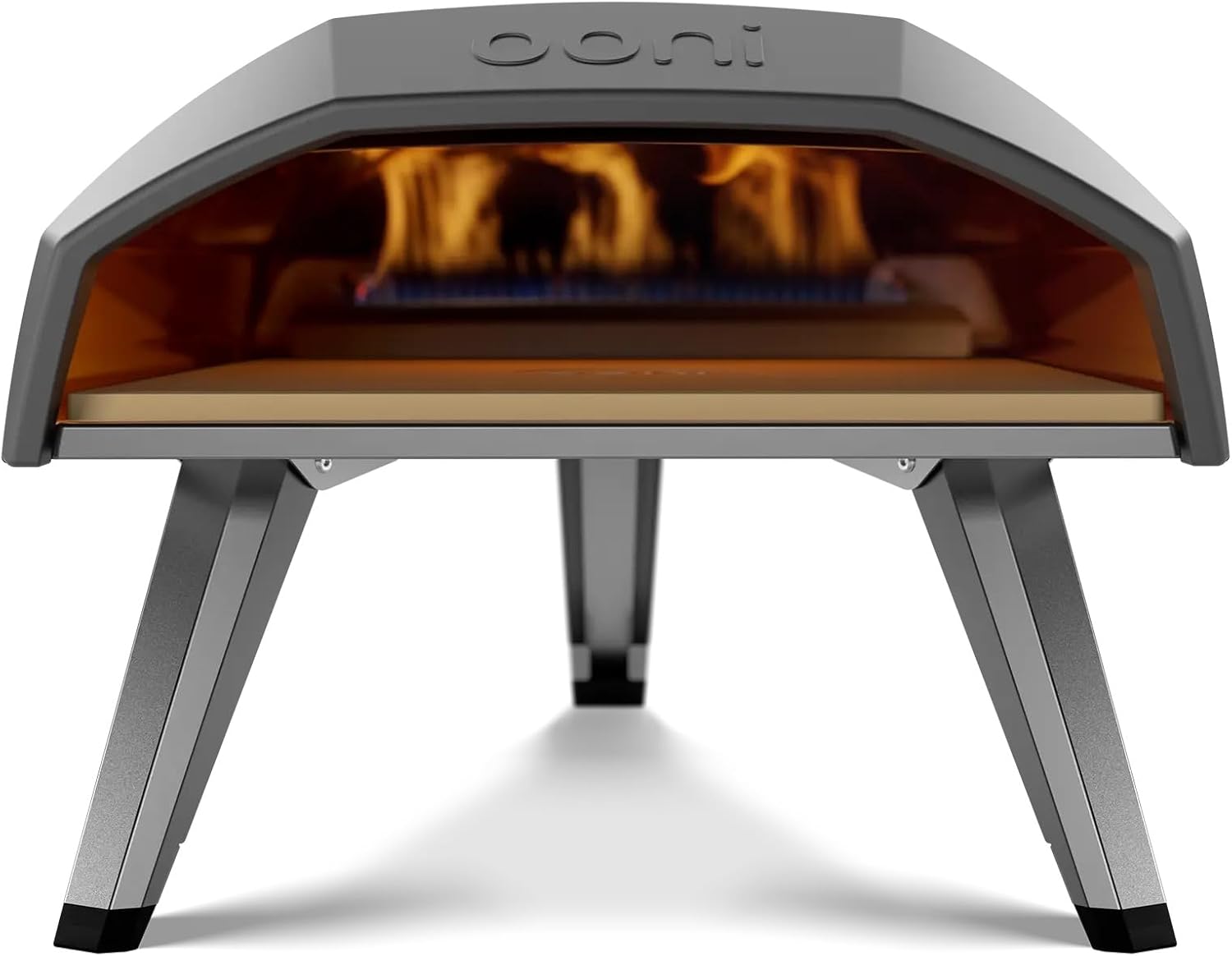
The Koda 2 is the cleanest answer to beach cooking. It's pure propane, with a rear L-shaped burner tucked behind a baffled heat shield, which means a 20 mph onshore wind barely registers — the flame curls forward and licks the stone the same way it would in a calm backyard. The brushed 304 stainless body shrugs off salt spray, and the legs fold flat for transport. Cooking a 14-inch pizza takes about 60-90 seconds at full crank. The only catch: you need to carry a 1 lb propane bottle or rig an adapter for a 20 lb tank, which we recommend for any group bigger than four. Check current pricing at Ooni Koda 2 Propane Gas Pizza Oven – 14" Gas Powered Outdoor.
2. Ooni Karu 12 — best multi-fuel pick for flavor purists
If you want actual wood-fire smoke flavor with your beach pies, the Karu 12 is the move. It accepts wood chunks, lump charcoal, or — with the optional gas burner attachment — propane. At 26.4 lb it's the lightest serious oven in this roundup, and the carry handle is genuinely usable for the walk across the dunes. The chimney has a hinged door that closes to retain heat between pizzas, critical when sea breeze is trying to cool the firebox. Stainless skin handles the salt; the only weakness is the cordierite stone, which we recommend removing and bagging during transport so it doesn't pick up sand inside the carrying case. See it at Ooni Karu 12 Multi-fuel Outdoor Portable Pizza Oven - Reache.
3. Stoke 16-Inch — best for big groups and 16" pies
Most portable ovens cap out at 12-14 inches. The Stoke 16-Inch is the rare exception, fitting a true 16" pizza and giving you genuine party-throughput. It runs on wood or charcoal, which means more involvement at the beach — you'll be feeding it small splits between pies — but the payoff is feeding eight to ten people without anyone waiting twenty minutes for their slice. It's heavier (~38 lb), so plan on a folding wagon for the sand walk. Body is powder-coated steel rather than full stainless, so wipe it down with fresh water and a microfiber the moment you get home. Grab it at Stoke 16 Inch Outdoor Pizza Oven – Portable Outdoor Pizza Ma.
4. Ninja Artisan Electric — best for boardwalks and beach houses
The Ninja Artisan is electric, not gas, so it's only a beach contender if you're cooking on a covered deck, a boardwalk pavilion with outlets, or a beach house porch — never on open sand. Once you accept that constraint, it's wonderful: 700°F in three minutes, no fuel to manage, and a fully enclosed cavity that completely ignores wind. We use it for rainy-day beach trips when wood fires are a no-go. It cooks a 12-inch pizza in about 3 minutes. Check pricing at Ninja Artisan Electric Outdoor Pizza Oven with Stone | 12-in.
5. BIG HORN 12-inch Multi-Fuel — best budget option
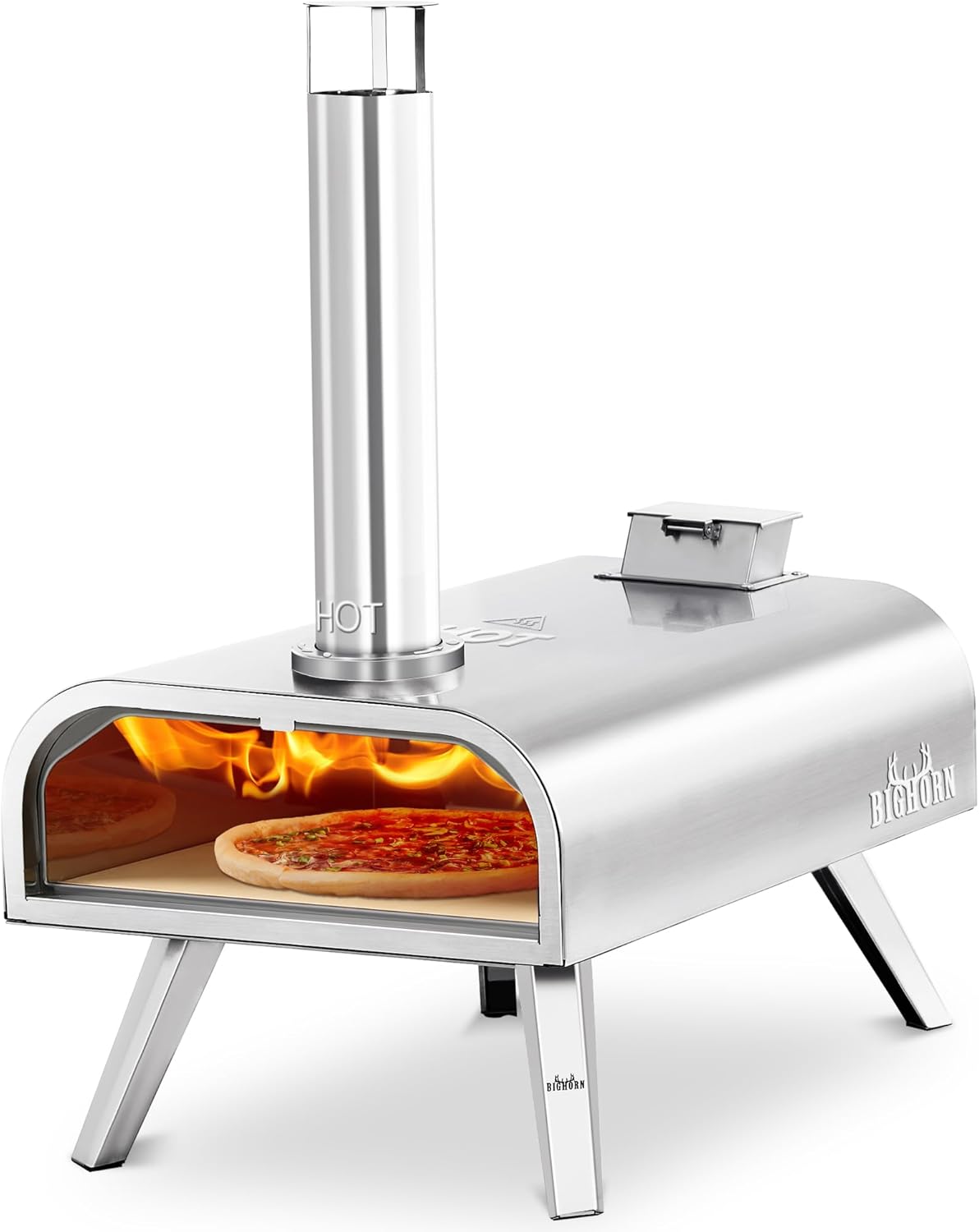
For roughly a third the cost of an Ooni, the BIG HORN 12-inch gets you a true multi-fuel oven that genuinely hits 1110°F with the wood-burning setup. The build quality won't survive a full season of weekly beach use — the finish is thinner and the hinges are mild steel — but if you only hit the coast three or four times a summer and rinse it thoroughly afterward, it's a legitimate way into Neapolitan-style cookouts without dropping $500+. Pizza diameter is limited to 12". Find it at BIG HORN 12" Multi-Fuel Outdoor Pizza Oven Reach up to 1110℉.

Protecting your oven from sand and salt
The single biggest mistake beach pizza cooks make is treating their oven like it just came back from a backyard cookout. Salt mist will keep working on the metal for days after you've packed up, and any sand that worked its way into the burner jets or under the stone will be there next time you fire up. Our four-step post-beach protocol:

- Brush, don't blow. Use a soft brass-bristle brush on the stone and chamber. Compressed air drives grit deeper into hinges and seams.
- Fresh-water wipedown within 4 hours. A damp microfiber over every external surface, including the underside. Salt left to dry will pit even 304 stainless eventually.
- Pull the stone, check the burner. On gas models, look at the jets with a flashlight — any visible sand grain gets picked out with a toothpick.
- Store dry. Never bag an oven that's still warm or damp. Condensation inside a zipped cover is how rust starts.
If you cook coastally more than ten times a year, look at a fitted insulated cover with a salt-resistant zipper. Our full breakdown is in pizza oven covers for coastal climates.
Fuel choice on the beach: gas vs wood vs electric
Propane wins for windy beaches. The flame is shielded, ignition is instant, and you don't need to source dry hardwood that the seagulls haven't already nested in. The Koda 2 and the gas-converted Karu 12 both fall here.
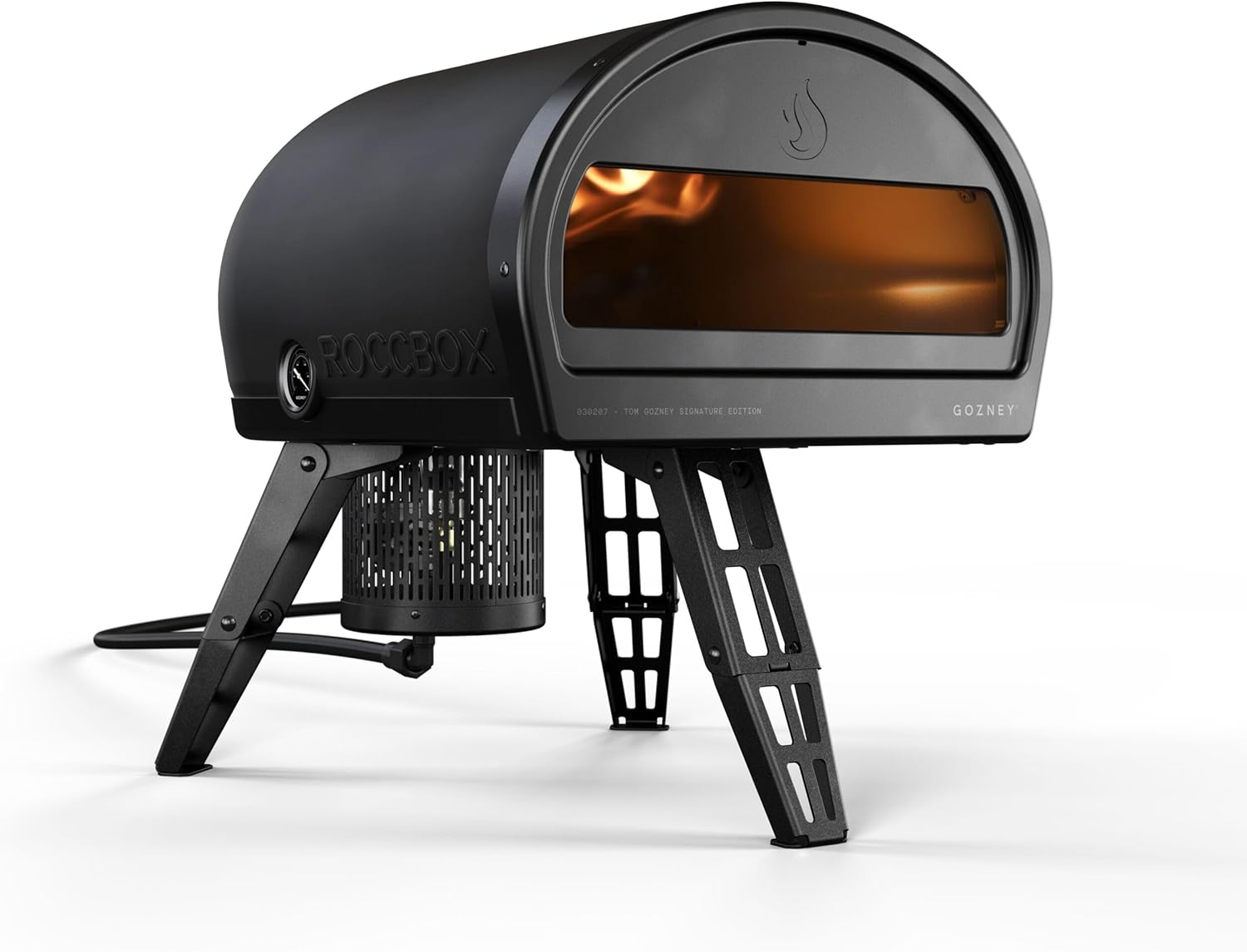
Wood is romantic and produces measurably better crust char, but it's a hassle. You need a dry-storage container for splits, a way to manage embers that won't blow into someone's blanket downwind, and patience for a 20-25 minute preheat that turns into 35 minutes if a gust knocks the fire down. Reserve wood for low-wind evenings on sheltered coves.
Electric only works with power access — so beach houses, RV hookups, or pavilion outlets. The Ninja Artisan is excellent in those contexts and irrelevant otherwise.
Transport tips: getting the oven from the car to the sand
A 30 lb oven feels like 60 lb after 150 feet of soft sand. Two things help: a beach cart with oversized balloon tires (the same kind kayak anglers use) and a structured carry case that protects the stone from impact. Most manufacturer carry bags are soft-sided — fine for car trunks, less fine when the wagon hits a rut and the stone clacks against the body. We slip a piece of foam between the stone and the chamber wall for any trip longer than a quarter mile.
For groups, stage the cookout: ferry the oven and propane separately from the dough cooler, peels, and toppings, then assemble on-site. Trying to balance everything on one wagon over sand always ends with somebody chasing a rolling parmesan wheel down the beach.
Frequently Asked Questions
Can a pizza oven really handle ocean salt spray without rusting?
Yes — if it's 304-grade stainless steel and you wipe it down with fresh water within a few hours of use. The Ooni Koda 2 and Karu 12 both use stainless skins that resist coastal corrosion well. Painted or powder-coated ovens like the budget BIG HORN need more aggressive post-trip cleaning, ideally a freshwater rinse and a light coat of food-grade mineral oil on exposed metal joints.
What's the best portable pizza oven for windy beach days specifically?
The Ooni Koda 2 is the strongest wind performer because its rear-mounted L-burner sits behind a baffled heat shield, so onshore gusts up to about 25 mph barely affect flame position. Wood-fired ovens with open front mouths struggle above 15 mph and require a windscreen of some kind — beach chairs arranged in a horseshoe work in a pinch.
How long does propane last when cooking on the beach?
A 1 lb green propane bottle gives you roughly 60-75 minutes of full-temperature cooking on an Ooni Koda 2 — enough for 8-12 pizzas if you keep the door cycling efficiently. Wind, ambient temperature, and how often you let the chamber cool between pies all affect this. For a group of six or more, bring a 20 lb tank with an adapter hose.
Do I need a stand or can I put a portable pizza oven directly on the sand?
Never place it directly on sand. The oven needs a stable, non-combustible, non-shifting surface — both for safety (a tipping 950°F oven is a serious hazard) and so the stone heats evenly. A folding aluminum table rated for 50+ lb works well, as does a flat piece of fiber-cement backer board over a sturdy cooler lid. Some users bring a small folding camping table dedicated to the oven.
Can I use the Ninja Artisan electric oven at the beach?
Only with a power source — typically a beachfront house, a pavilion with outlets, or a large portable power station rated for at least 1800W continuous. The Ninja Artisan draws around 1500-1700W at peak, which most camping power stations won't sustain for the 30+ minutes needed to cook multiple pizzas. On open sand without power, skip the electric option entirely.
What's the lightest portable pizza oven worth buying in 2026?
The Ooni Karu 12 at 26.4 lb is the lightest serious-quality oven we recommend. There are lighter no-name options on the market, but they trade away stone thickness and chamber insulation, which means longer preheats and uneven cooking. For the sand-walk weight savings, the Karu 12 hits the sweet spot of portability without sacrificing performance.
How do I clean sand out of the stone after a beach cookout?
Let the stone cool completely, then lift it out and brush both sides with a stiff brass brush. Do not rinse it with water — cordierite is porous and absorbs moisture, which can cause cracking on the next firing. If there's stubborn debris, run the empty oven at full temperature for 15 minutes to burn it off. Store the stone separately in a dry bag during transport to keep it sand-free between trips.
Final verdict
For most beach cookouts, the Ooni Koda 2 is the best portable pizza oven for beach cookouts because it shrugs off wind, salt, and operator inexperience all at once. If you want wood-fire flavor and don't mind babying the fire, the Ooni Karu 12 is the more flexible choice. Big groups should look at the Stoke 16-Inch for its larger deck, and budget-conscious occasional users will be well-served by the BIG HORN 12-inch. For more on choosing between brands, see our full Ooni vs Gozney comparison covering the broader portable lineup.
Key Takeaways
- Choosing the right best portable pizza oven for beach cookouts means matching capacity and output ports to your actual devices
- Always check actual watt-hours (Wh), not just watts — runtime depends on Wh, not peak output
- Also covers: beach pizza oven saltwater
- Also covers: corrosion resistant pizza oven beach
- Also covers: portable pizza oven sand exposure
- Compare price-per-Wh across models to find the best value for your budget