The Ooni Volt 12 for indoor apartment kitchens is the only Ooni currently engineered for safe indoor countertop use — it plugs into a standard 120V outlet, requires no gas line, no wood pellets, and no outdoor venting. If you live in a high-rise, a studio, or any rental without a balcony, the Volt 12 is the single oven in Ooni's lineup that your lease and your fire alarm will tolerate. It hits 850°F, bakes a Neapolitan-style pie in 90 seconds, and weighs about 39 pounds so it tucks under a cabinet between sessions. Below, we cover whether it’s worth $999, what apartment renters need to check first, and the closest Amazon-available alternatives if the Volt is out of stock.
Why the Volt 12 is the Only Realistic Choice for No-Outdoor-Space Apartments
Every other oven in the Ooni catalog — Karu, Koda, Fyra, even the new Koda 2 — is explicitly labeled outdoor use only. The reason is combustion: gas and wood-fired ovens emit carbon monoxide and require open-air dispersion. Running one on an apartment balcony is borderline; running one in a kitchen is dangerous and usually a lease violation. The Volt 12 sidesteps this entirely because it's a sealed electric oven with no flame, no fuel tank, and no exhaust gases beyond what a normal toaster oven produces.

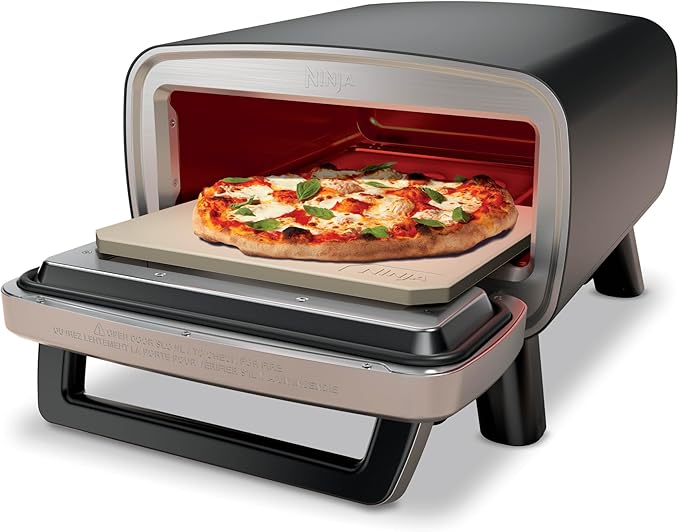
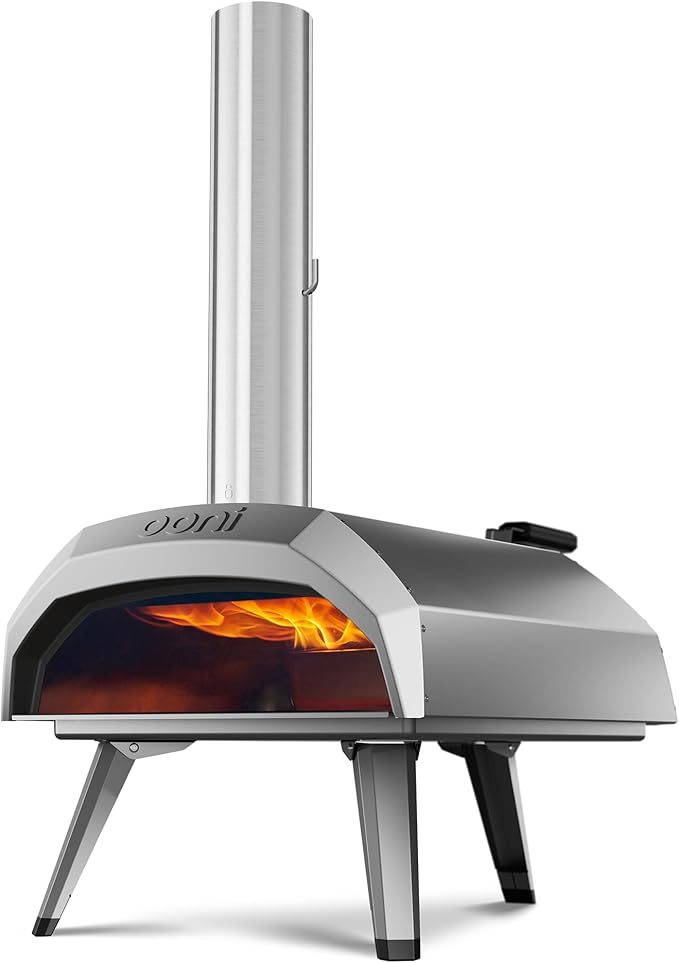
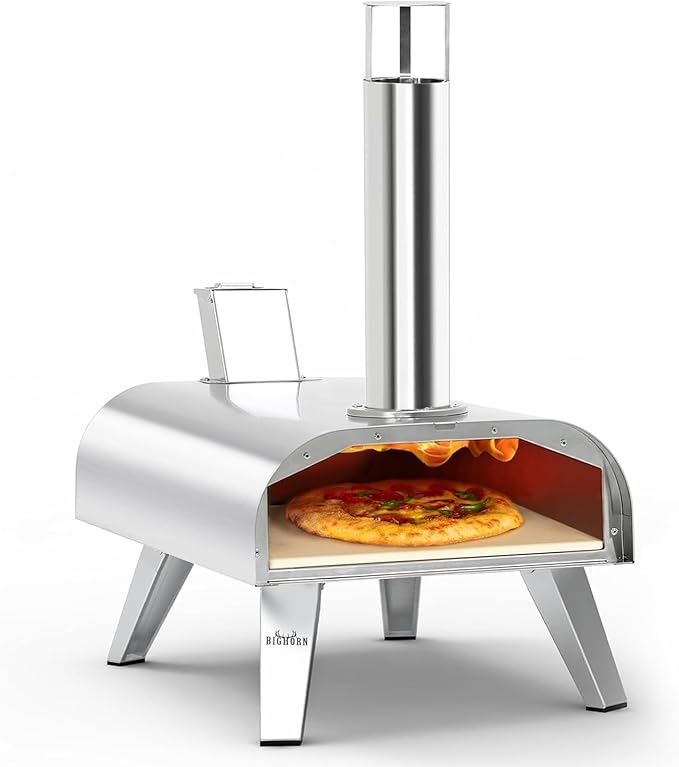
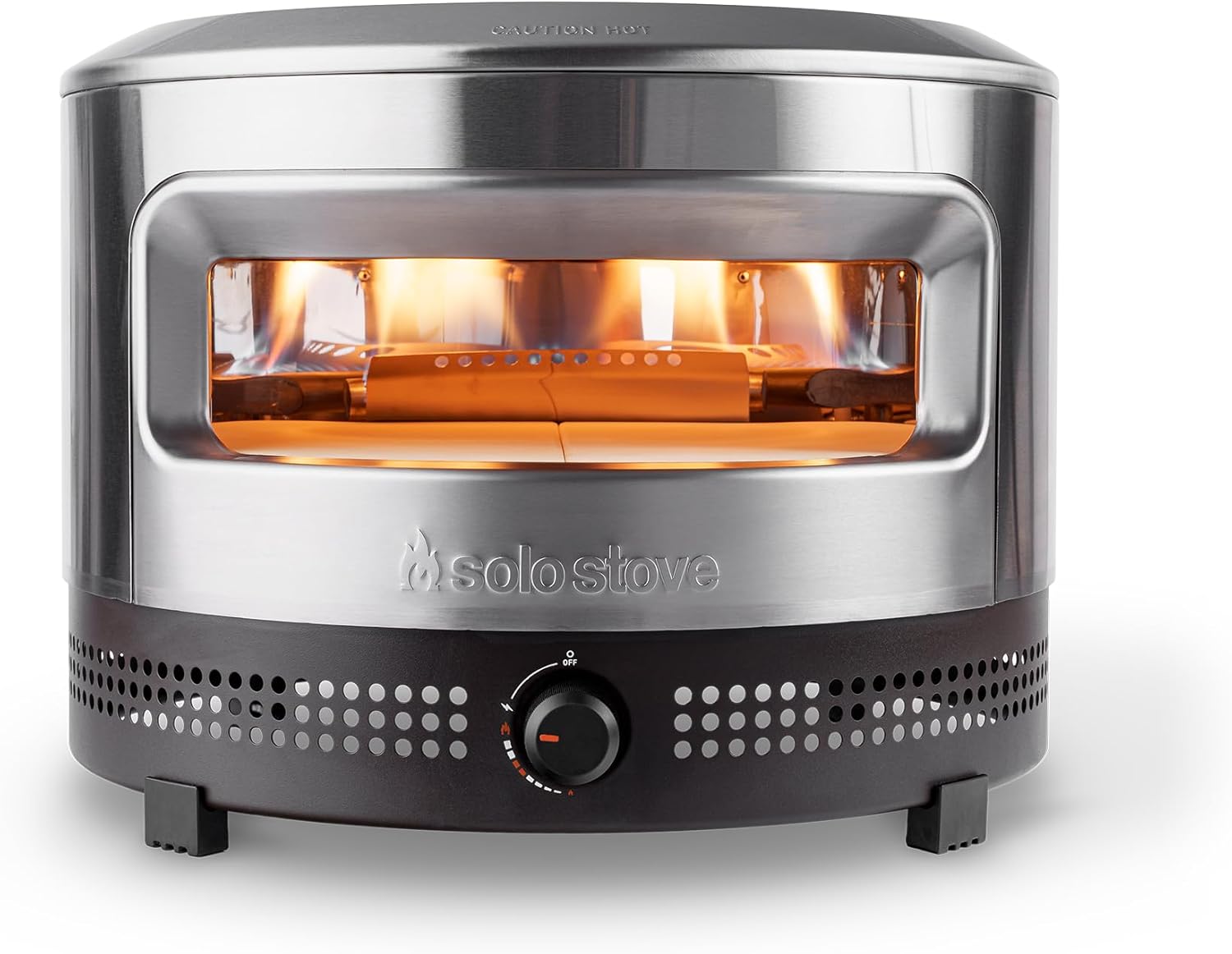
That makes the ooni volt 12 for indoor apartment kitchens conversation pretty short: it's the Volt, or it's nothing from Ooni's gas/wood line. Gozney doesn't currently offer a comparable indoor electric in 2026 (the Roccbox and Arc are both outdoor propane units), so the Volt has no direct head-to-head competitor from a premium brand. Your real cross-shop is the Breville Pizzaiolo (similar price, slightly slower) or a budget electric that ships through Amazon.
What You Need to Verify Before Buying
Before you click buy, check four things. First, outlet amperage — the Volt 12 draws 1,600W on a 13-amp circuit, which is fine for any modern North American kitchen but can trip older breakers if a microwave shares the line. Second, countertop clearance — Ooni specifies 5" on the sides, 8" above, and 4" behind. Third, ventilation — while there's no combustion, the oven still vents hot air upward, so don't park it under a low cabinet. Fourth, your range hood — running it on high during a 90-second bake handles any smoke from charred crust or cheese splatter without setting off the smoke detector.

Comparison: Indoor-Safe vs Outdoor Pizza Ovens in 2026
| Model | Fuel | Indoor Safe? | Max Temp | Bake Time | Best For |
|---|---|---|---|---|---|
| Ooni Volt 12 | Electric 120V | Yes (UL listed) | 850°F | 90 sec | Apartments, condos, year-round indoor use |
| Ninja Artisan Electric | Electric 120V | Outdoor-rated but plug-in | 700°F | 3 min | Budget electric, covered patios |
| Ooni Koda 2 | Propane | No (outdoor only) | 950°F | 60 sec | Balconies with gas clearance |
| Ooni Karu 12 | Wood/Charcoal/Gas | No (outdoor only) | 950°F | 60 sec | Backyards, camping |
The Ooni Volt 12: What $999 Actually Buys You
The Volt 12 has two independently controlled heating elements — one in the dome, one under the cordierite stone — and a temperature dial that goes from 300°F to 850°F. The bake timer is critical because at full temp, a Neapolitan pie can go from raw to charcoal in under 30 seconds of inattention. The unit ships with a digital display, integrated handles, and a removable drip tray for easy cleaning.
What surprises most first-time owners is how versatile the lower temperature range is. At 450°F it bakes cookies and roasts vegetables; at 550°F it does New York-style pies in about 4 minutes; at 700°F it nails a Detroit-style square. The ooni volt 12 for indoor apartment kitchens use case isn't limited to one pizza style — it's essentially a small, very hot countertop oven.

The trade-offs are real. It's heavy for a countertop appliance, the stone needs 20 minutes to fully preheat, and at $999 it's roughly triple the price of comparable outdoor gas ovens. If you're not going to bake at least weekly, the math doesn't work.
Top Picks if the Volt 12 Is Out of Stock or Out of Budget
Best Plug-In Alternative: Ninja Artisan Electric Outdoor Pizza Oven
The Ninja Artisan is technically marketed for outdoor use but it's a plug-in 120V electric with no combustion, which means with proper countertop clearance and an active range hood, many apartment owners use it indoors without issue. It hits 700°F (150 degrees cooler than the Volt), bakes a 12-inch pie in three minutes, and runs about a third of the Volt's price. The build quality isn't on the Ooni level — the door hinge feels lighter and the controls are simpler — but if you bake monthly rather than weekly, it's the more sensible spend. Check the Ninja Artisan Electric on Amazon.
If You Eventually Get a Balcony: Ooni Koda 2
Worth flagging for renters who plan to move within a year or two: the Ooni Koda 2 is the 14-inch propane successor to the Koda 16 and it’s significantly easier to live with than the wood-fired Karu. It needs outdoor space and a small propane tank, but it preheats in 15 minutes and hits 950°F. If you’re weighing the Volt against "wait until I have a patio," know that the Koda 2 delivers a more authentic charred Neapolitan leopard-spot than the electric ever will. See the Ooni Koda 2 on Amazon.

Skip For Apartment Use: Multi-Fuel Wood Ovens
For completeness — and so you don’t accidentally buy the wrong thing — units like the Ooni Karu 12 (multi-fuel) and the BIG HORN 12-inch multi-fuel are listed as wood-and-gas capable up to 950°F and 1,110°F respectively. Both produce real smoke and CO. Do not use either indoors. They’re excellent backyard ovens but irrelevant to the apartment-kitchen use case unless your kitchen happens to open onto a yard with full ventilation clearance.
Setting Up the Volt 12 in a Small Kitchen
Most apartment kitchens have between 18 and 30 inches of usable counter depth. The Volt 12 measures 20.8" wide x 17" deep x 10.9" tall, so it fits but leaves little room on either side for dough prep. The workaround that works for most renters: keep the Volt on a rolling cart in a closet or pantry and wheel it to the counter for bake sessions. The 39-pound weight is manageable but not something you want to lift weekly.
For peels, the standard 12-inch metal launching peel works, but in tight kitchens a perforated peel makes the launch easier because you can rest the dough flat on the counter and slide it on. Pair the oven with a digital infrared thermometer to check stone temp before the first launch — the dome reads hotter than the stone for the first 5 minutes of preheat, which is why pies stick if you rush it.
How It Compares to the Breville Pizzaiolo
The Volt’s only real competitor in the indoor-electric premium category is the Breville Pizzaiolo, which has been on the market longer and tops out at the same 850°F. The Pizzaiolo has preset bake modes that are genuinely helpful for beginners (frozen, thin crust, wood-fired) but it’s heavier, takes longer to preheat, and Breville is rumored to be sunsetting it in 2026 in favor of a new model. The Volt 12 is the safer current-generation buy if you want something with active firmware support and accessory availability.
Looking Ahead
Ooni has hinted at a Volt 16 — a larger-format indoor electric — for late 2026, but no firm release date as of this writing. If you can wait, the 16-inch capacity would be more forgiving for hand-stretched pies, but for most apartment kitchens the 12-inch is actually a better size fit anyway. For more on how the brands stack up beyond the indoor question, see our full Ooni vs Gozney 2026 breakdown and our roundup of the best electric pizza ovens for apartments.
Frequently Asked Questions
Can I really use the Ooni Volt 12 in a rental apartment without telling my landlord?
Yes — the Volt is UL-listed as a countertop electric appliance, no different from a toaster oven or air fryer in your lease’s eyes. There’s no gas connection, no open flame, and no exhaust beyond ambient hot air. Most standard renter’s insurance and lease clauses about prohibited appliances target propane, charcoal, and hardwired installations, none of which apply here.
Will the Ooni Volt 12 trip my smoke detector or set off building fire alarms?
Under normal use with a closed door, no. The Volt is a sealed unit and the only smoke comes from cheese splatter or burnt toppings hitting the stone. Run your range hood on high during the bake and crack a window for the first few sessions while you learn the timing. Building fire alarms in newer apartments are heat-and-smoke combo sensors and don’t typically trigger from brief 90-second bake cycles.
How much does the Ooni Volt 12 cost to run per pizza?
At 1.6 kW for roughly 25 minutes of preheat plus a 90-second bake, you’re using about 0.7 kWh per pizza session. At the U.S. average residential rate of around $0.17/kWh in 2026, that’s about 12 cents of electricity per pie — cheaper than the propane cost of an outdoor Koda and dramatically cheaper than ordering delivery.
Does the Ooni Volt 12 work on European 220V outlets?
Yes — Ooni sells a separate UK/EU version of the Volt 12 with a 230V plug and the same 1.6 kW draw, which on European wiring is a much lighter circuit load. Do not use a step-down transformer to run the U.S. version overseas; buy the regional variant.
Can the Volt 12 actually replace my regular oven for everything besides pizza?
For small-batch baking — cookies, biscuits, single-tray roasts, reheating leftovers — yes. The lower 300°F setting and dual elements give you reasonable temperature control. It won’t replace a full-size oven for a Thanksgiving turkey or a 9x13 casserole, but in a studio apartment where the only alternative is a hot plate, it’s a meaningful upgrade.
What’s the warranty on the Ooni Volt 12 and is it worth the extended plan?
The Volt 12 ships with a 2-year limited warranty covering manufacturing defects, extendable to 5 years with free product registration on Ooni’s site — which is genuinely worth doing. Third-party extended protection plans on Amazon are mostly redundant given the registration option.
Is the Ninja Artisan electric oven safe to use indoors instead of the Volt 12?
The Ninja Artisan is sold and labeled as an outdoor unit, so using it indoors voids the warranty and isn’t officially supported. That said, mechanically it’s a plug-in electric with no combustion, so the practical risk is no different from any countertop oven if you have adequate ventilation. The Volt 12 is the manufacturer-sanctioned choice; the Ninja is a budget workaround at your own discretion.
Bottom Line
If you don’t have outdoor space, the Ooni Volt 12 isn’t one option among many — it’s essentially the only purpose-built premium pizza oven you can legitimately run on your kitchen counter. The $999 price tag stings, but compared to two years of delivery pizza, it pays for itself fast. If the budget doesn’t fit, the Ninja Artisan Electric at roughly a third of the price is the most defensible alternative. Skip every gas or wood-fueled oven on the market — they aren’t meant for indoor use and no clever workaround makes them safe in an enclosed kitchen.
Key Takeaways
- Choosing the right ooni volt 12 for indoor apartment kitchens means matching capacity and output ports to your actual devices
- Always check actual watt-hours (Wh), not just watts — runtime depends on Wh, not peak output
- Also covers: indoor electric pizza oven apartment
- Also covers: ooni volt 12 indoor use
- Also covers: apartment kitchen pizza oven
- Compare price-per-Wh across models to find the best value for your budget