The ooni volt 12 for assisted living activity coordinators is the rare pizza oven that fits an indoor recreation room: it plugs into a standard outlet, reaches 850°F, and never needs wood, pellets, or propane. For pizza clubs at memory care, independent living, and skilled nursing communities, that combination of countertop footprint, no open flame, and a digital control panel means residents can gather around a real Neapolitan-style bake without a fire marshal conversation. In 2026, the Volt 12 remains the only Ooni built specifically for indoor use, which is why activity coordinators keep adding it to monthly programming calendars.
Why the Volt 12 fits assisted living programming
Activity coordinators face a different equipment checklist than backyard hobbyists. UL-listed for indoor use, the Volt 12 sidesteps the propane storage rules that knock out most outdoor pizza ovens, and its insulated double-wall body keeps the exterior cool enough that a resident leaning on the counter will not get burned. The dial-in thermostat means a coordinator can preheat to a resident-friendly 600°F, slide pizzas in with a peel, and finish in two minutes with predictable results. No flame chasing, no soot, no smoke alarm drama.
The ooni volt 12 for assisted living activity coordinators also wins on storage. It tucks onto a rolling AV cart, weighs about 39 lb, and can be wheeled between the bistro, the courtyard pavilion, and a private dining room for a birthday party. For weekly pizza clubs, that mobility matters more than peak temperature.
What a pizza club actually looks like
Most successful clubs follow a simple format: a 60-minute session with eight to twelve residents, two staff, and pre-portioned 10-inch dough balls. Residents stretch their own dough on parchment, choose from three sauces and six toppings staged in hotel pans, and slide their pie onto the peel. The coordinator handles the oven. Toppings should be soft-cook friendly: shredded mozzarella, pre-cooked sausage crumbles, sliced olives, basil, ricotta dollops, and roasted peppers. Skip raw onions and raw mushrooms, which need longer than 90 seconds to cook through.
For residents with dysphagia, run a second "soft slice" bake with extra sauce and no crispy edges. For diabetic-friendly options, swap traditional dough for a thin cauliflower crust. The Volt 12 handles both because the top and bottom elements can be balanced independently.
Indoor vs. outdoor: choosing the right oven for the community
Not every community can run an indoor electric oven. If your activity room lacks a 15-amp dedicated circuit, or if your programming lives on a covered patio, an outdoor model on a wheeled cart may be the better fit. The table below compares the Volt 12 use case against the most realistic alternatives we recommend to coordinators in 2026.
| Model | Fuel | Indoor safe? | Preheat | Best for |
|---|---|---|---|---|
| Ooni Volt 12 | Electric (120V) | Yes (UL) | ~20 min | Indoor activity rooms, dementia-safe clubs |
| Ninja Artisan Electric | Electric (120V) | Outdoor rated, sheltered patio | ~15 min | Budget indoor-adjacent programs |
| Ooni Koda 2 (14") | Propane | Outdoor only | ~15 min | Courtyard pizza nights, larger pies |
| Ooni Karu 12 | Wood / charcoal / gas | Outdoor only | ~20 min | Family days with a sensory wood-fire angle |
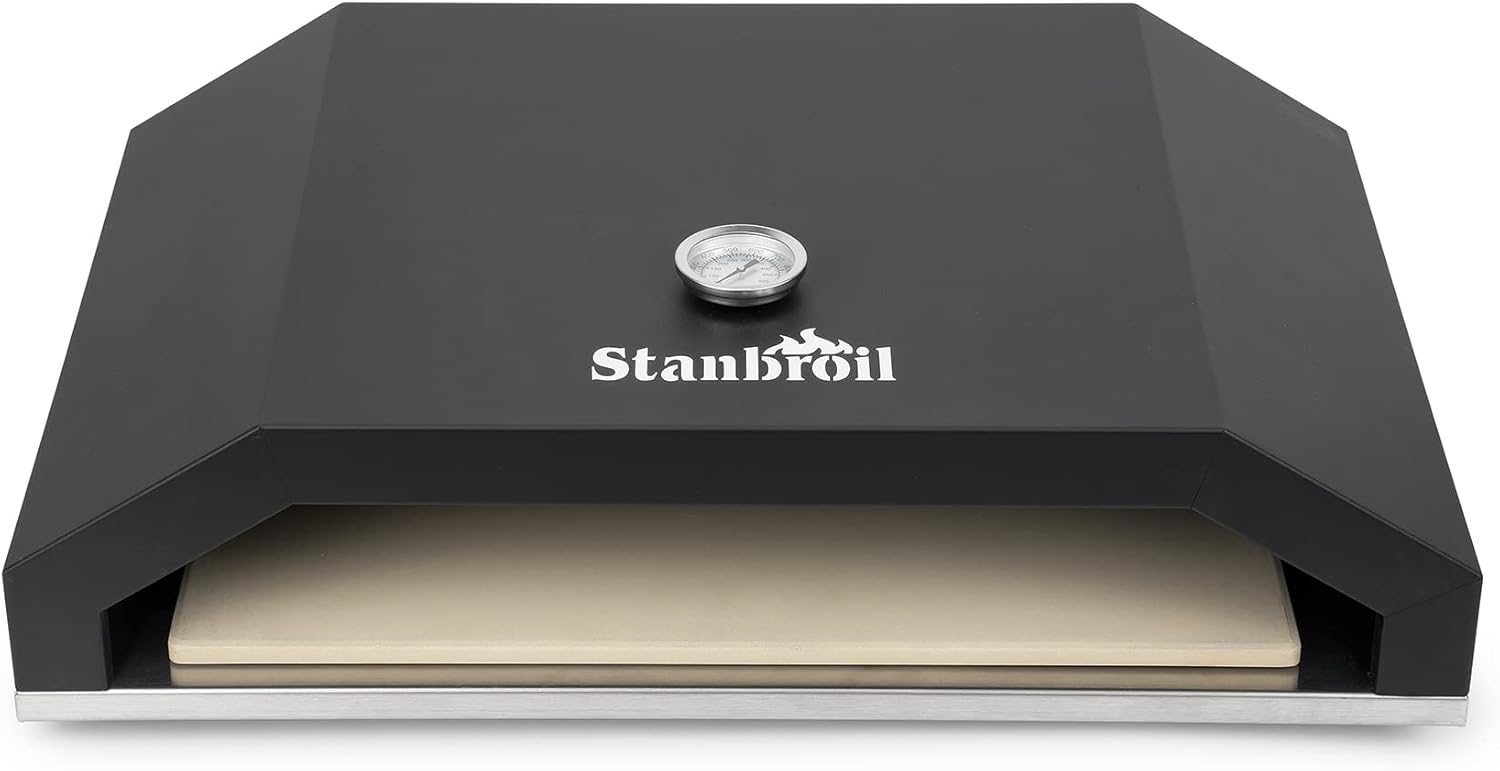
| BIG HORN 12" | Wood / gas / electric attachments | Outdoor only | ~20 min | Low-budget pilot programs |
Ooni Volt 12 (editor’s pick for indoor clubs)
The Volt 12 is the only pizza oven in Ooni’s lineup engineered for indoor use, which makes the calculus easy for activity coordinators working in a regulated environment. It runs on a regular outlet, has a 20-minute preheat, and cooks a 12-inch pie in 90 seconds at 850°F. The Boost button kicks the stone back to temperature between bakes so residents do not wait between rounds. The Ooni Volt 12 is not available through the Amazon storefront our partner products link to, but coordinators can purchase it directly from Ooni and pair it with the electric alternatives below for budget-tier sites.
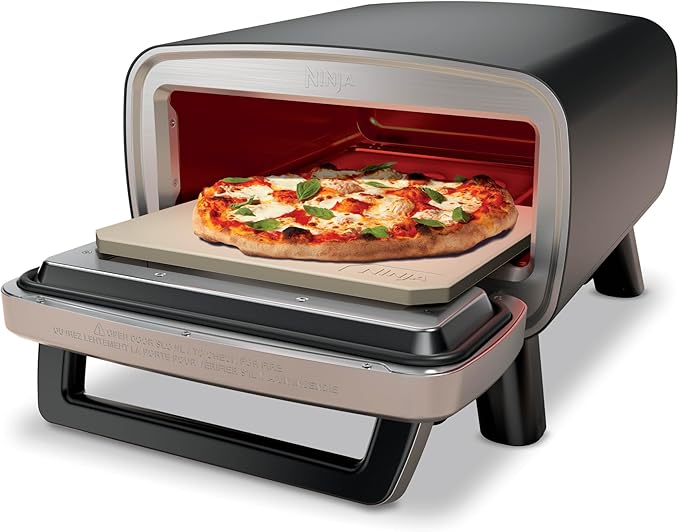
Ninja Artisan Electric Outdoor Pizza Oven (budget electric alternative)
If a community has only a small programming budget but does have a sheltered, well-ventilated indoor space with a dedicated outlet, the Ninja Artisan is the closest electric stand-in for the Volt experience. It cranks to 700°F, cooks a 12-inch pie in roughly three minutes, and has preset modes that take some of the judgment out of staff training. It is technically rated for outdoor use, so check with your facilities director before deploying indoors. View the Ninja Artisan on Amazon.
Ooni Koda 2 (courtyard pizza nights)
For communities with a covered outdoor patio and propane already plumbed for grills, the Koda 2 is a strong upgrade over older Koda models. The 14-inch stone fits a larger pie, useful when a club is portioning slices for residents who cannot stretch their own dough. Gas means consistent temperatures and one knob to turn. It is strictly outdoor, so it pairs with the Volt 12 rather than replaces it. View the Ooni Koda 2 on Amazon.
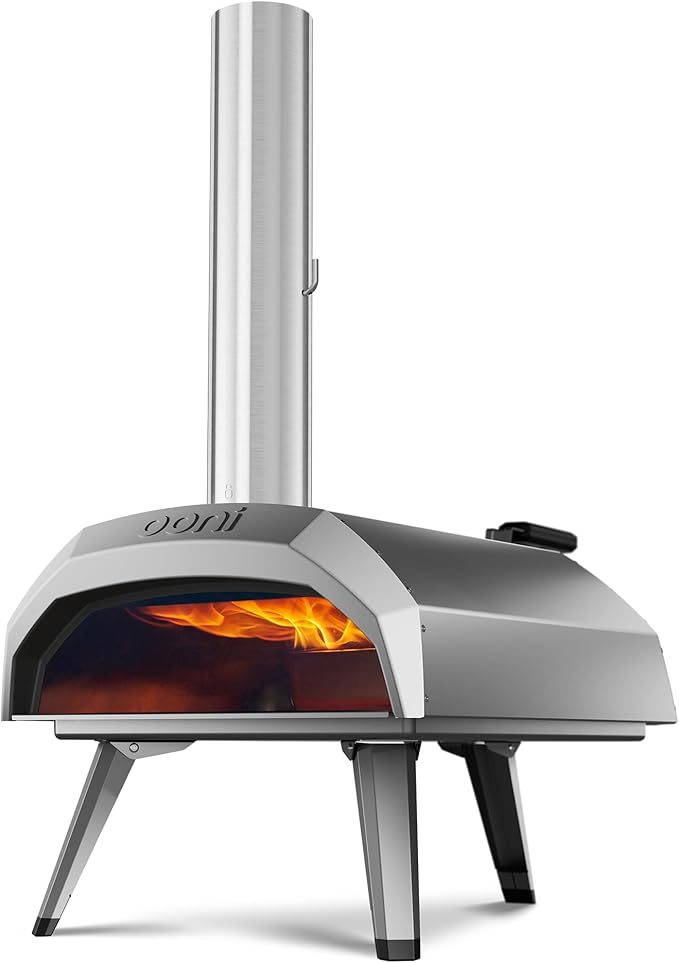
Ooni Karu 12 (intergenerational family days)
Family days and grandkid visits are where a wood-fired oven earns its place. The Karu 12 burns wood, charcoal, or (with an adapter) propane, and the visible flame plus woodsmoke aroma create a sensory anchor that often unlocks reminiscence conversations with residents who grew up cooking outdoors. Use it in a courtyard with proper clearances and a staff member dedicated to fuel management. View the Ooni Karu 12 on Amazon.
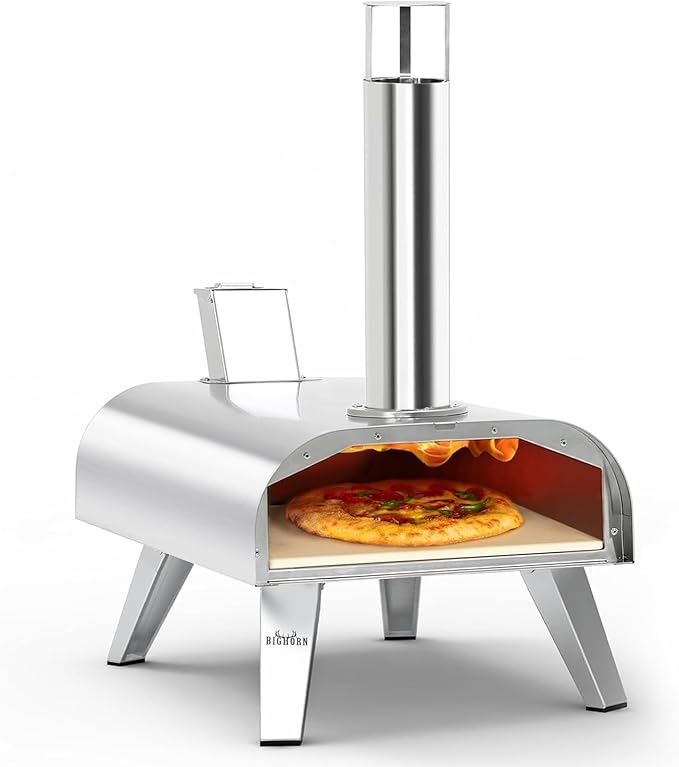
BIG HORN 12-inch Multi-Fuel (pilot program budget)
Coordinators piloting a pizza club without capital approval often start with the BIG HORN, which lands at a fraction of an Ooni’s price and includes both wood and gas options. Build quality is not on the Ooni’s level, but for a one-quarter pilot to prove resident engagement before requesting Volt 12 funding, it is a defensible starter. Outdoor only. View the BIG HORN on Amazon.
Safety protocols every coordinator should write down
Before the first club session, document a one-page SOP and have it signed by the executive director and nursing leadership. Cover these points: who lifts the peel (staff only), how residents transport finished pizza (on plates, never directly from the peel), where the oven sits relative to walkers and wheelchairs (minimum 36 inches of clear floor on the staff side), what the cool-down procedure is (45 minutes before storage), and which residents have wandering risk and need a second staff member assigned during sessions. The Volt 12’s cool exterior helps, but the stone and the area directly in front of the door remain hot.
Sanitation matters more in shared living than in a home kitchen. Pre-portion toppings in individual ramekins for residents on infection-control precautions, and run the stone empty at max temperature for ten minutes between sessions to sterilize. Store dough balls covered and refrigerated, and discard any unused balls after the session rather than re-refrigerating.
Programming ideas that keep the club fresh
The risk with any recurring activity is monotony. Rotate themes monthly: a Neapolitan classics night, a build-your-own breakfast pizza brunch, a flatbread and dessert pizza session, a regional Italy tour, and a heritage night where residents share family pizza memories. Pair sessions with the dietary department so leftovers can be packaged for residents who could not attend.
For dementia care neighborhoods, simplify the choice architecture: two sauces, three toppings, and pre-stretched dough on parchment. The goal is engagement and sensory stimulation, not culinary complexity. The Volt’s quick 90-second bake means residents see immediate results, which sustains attention better than a 15-minute home-oven bake.
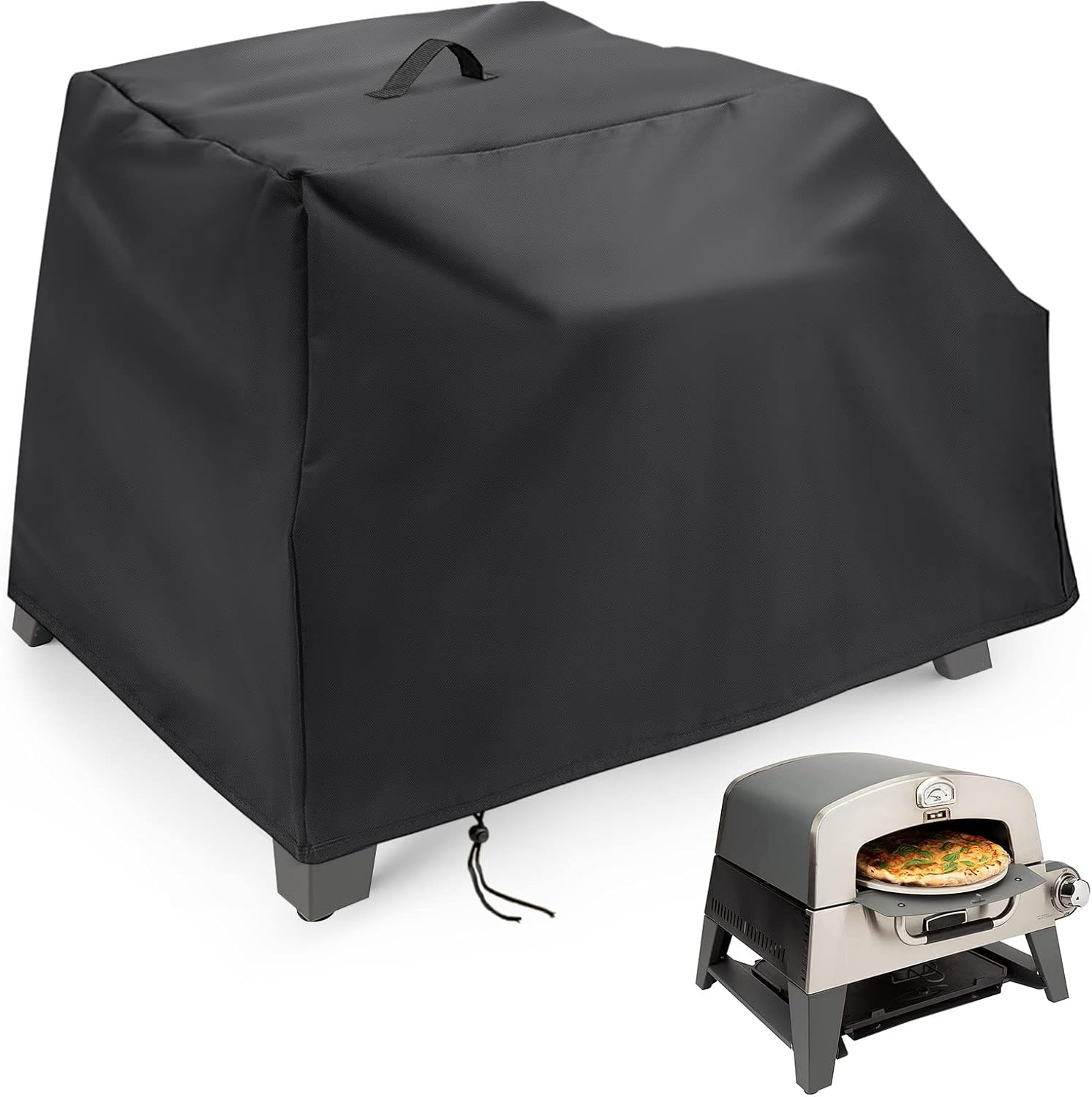
For more on outdoor programming, see our guide to best pizza ovens for senior living in 2026, our breakdown of the Volt 12 versus the Ninja Artisan electric, and our overview of indoor pizza oven safety checklists.
Frequently Asked Questions
Can the ooni volt 12 for assisted living activity coordinators run on a standard outlet?
Yes. The Volt 12 runs on a standard 120V, 15-amp outlet in North America, which is the same circuit serving most activity room countertops. Avoid sharing the circuit with microwaves or coffee urns during preheat, since the simultaneous draw can trip the breaker. A dedicated outlet is ideal but not required.
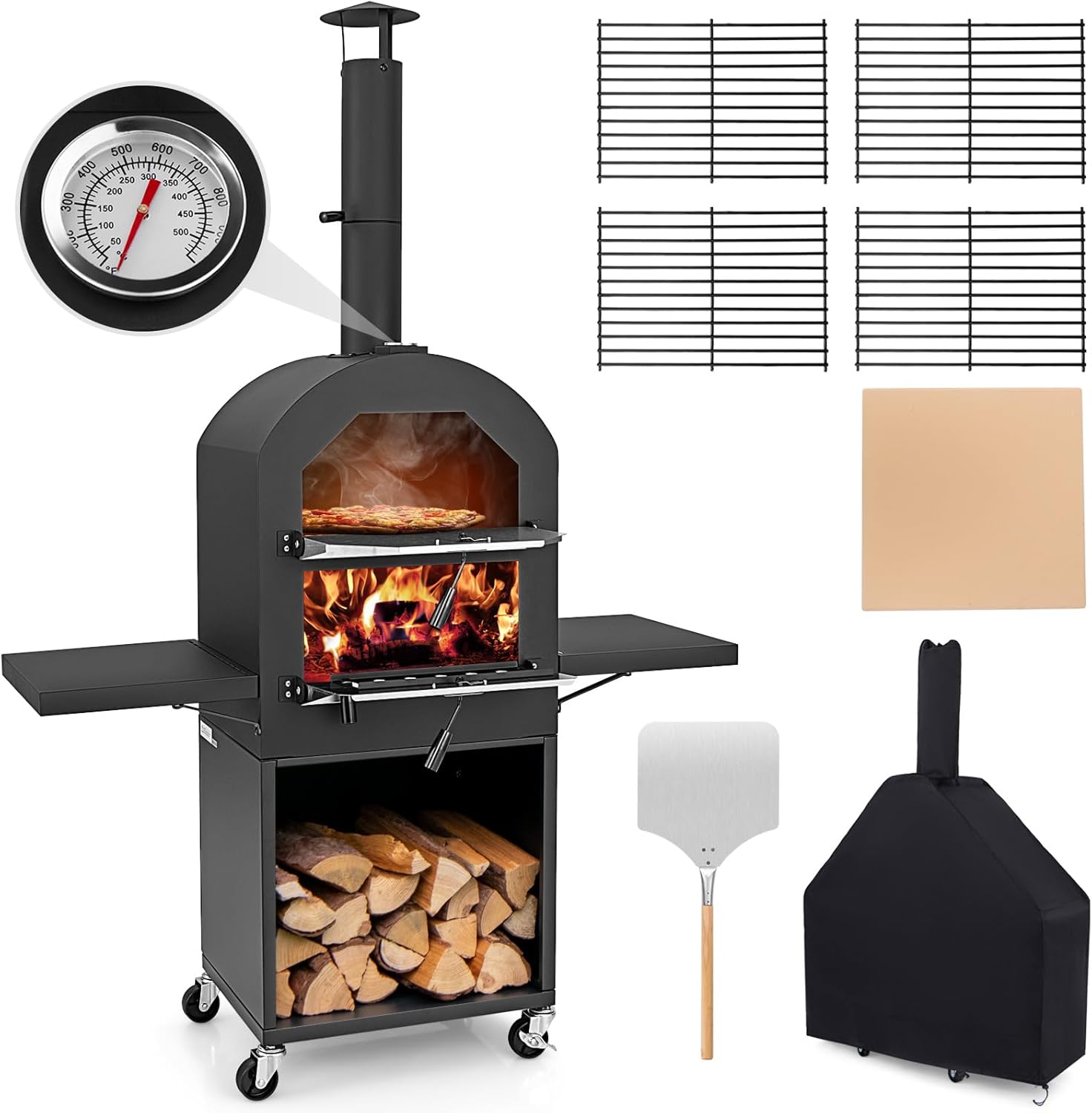
Is the Ooni Volt 12 actually safe to use indoors at a senior living community?
The Volt 12 is UL-listed for indoor residential use, has a double-wall insulated body, and produces no combustion gases, which collectively make it the only Ooni model defensible for indoor deployment in a regulated senior living setting. Confirm with your facilities director that the activity room ventilation meets your state’s code, and place the oven at least six inches from any wall.
How many residents can one Volt 12 serve in a 60-minute pizza club?
Plan on eight to twelve residents per session with one oven, assuming 10-inch personal pies and a 90-second bake. The bottleneck is not the oven; it is the dough-stretching station. Two staff members and a queue system keep things moving. For larger groups, run two consecutive 45-minute waves rather than buying a second oven.
What is the best dough for residents with chewing or swallowing concerns?
Use a higher-hydration dough (around 70%) baked at a slightly lower temperature, around 650°F, so the crust stays tender rather than crispy. Coordinate with your speech-language pathologist and dietary team to identify residents on modified textures, and prepare a soft-bake batch with extra sauce and finely shredded toppings for those individuals.

How does the Volt 12 compare to the Ninja Artisan for an assisted living budget?
The Volt 12 costs roughly three times the Ninja Artisan, but the Volt is UL-listed for indoor use while the Ninja Artisan is rated as an outdoor appliance. For a community with an outdoor patio or three-season porch, the Ninja is the better value. For a true indoor activity room, the Volt is the only defensible choice from a risk-management standpoint.
Do we need a hood or ventilation system above the Volt 12?
No dedicated hood is required for residential use, because the Volt is UL-listed and produces minimal smoke when used with standard pizza ingredients. However, communities operating in commercial-classified spaces may fall under different rules. Ask your local code official before deployment, and at minimum run the room’s HVAC during sessions.
What is the realistic cost per resident per pizza club session?
Including dough, sauce, mozzarella, and three topping options, expect roughly $3 to $4 per resident for a 10-inch personal pie in 2026 pricing. The Volt 12 itself amortizes quickly: at one session per week with twelve residents, the per-resident equipment cost drops below $0.50 within the first year of programming.
Key Takeaways
- Choosing the right ooni volt 12 for assisted living activity coordinators means matching capacity and output ports to your actual devices
- Always check actual watt-hours (Wh), not just watts — runtime depends on Wh, not peak output
- Also covers: indoor pizza oven for senior living facility
- Also covers: ooni volt 12 fire code assisted living
- Also covers: pizza oven for memory care activities
- Compare price-per-Wh across models to find the best value for your budget