Choosing between the Ooni Karu 16 vs Gozney Dome for restaurant quality Neapolitan pies at home comes down to three things: how hot the cordierite floor stays between bakes, how evenly the dome radiates heat onto the cornicione, and how much fuel flexibility you actually want. The Gozney Dome is the heavier, more insulated workhorse that holds 900°F+ floor temps shot after shot. The Ooni Karu 16 is lighter, cheaper, and surprisingly capable across wood, charcoal, or gas — but you'll wait longer between launches. For pure 60-second leoparded Neapolitans in 2026, the Dome wins on consistency; the Karu 16 wins on value.
Quick verdict: which oven hits Neapolitan spec?
True Neapolitan (Vera Pizza Napoletana) demands a stone floor around 750–850°F, a dome ceiling north of 900°F, and a 60–90 second bake. Both ovens get there. The difference is what happens after the first four or five pies.
The best ooni karu 16 vs gozney dome for restaurant quality neapolitan for your situation depends on how you plan to use it and where.

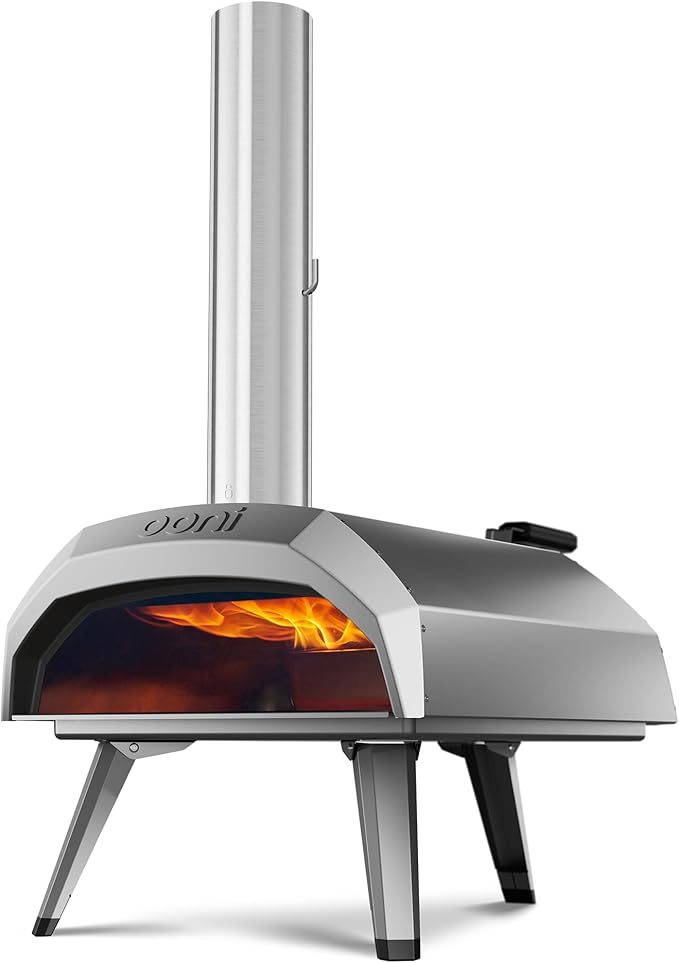
The Gozney Dome's thick ceramic-fiber jacket and dense refractory floor act like a thermal battery. Pull a pizza off, the floor drops 40–50°F, and the dome's radiant heat snaps it back inside two minutes. The Karu 16 has a thinner shell and a smaller mass of stone, so the floor sags closer to 700°F after consecutive bakes, and you'll need to rotate the stone or wait longer between pies to keep that signature leoparding.
If you're throwing a party for ten and want pies coming out one a minute, the Dome is the answer. If you're a couple doing pizza Friday with a 4-pie session, the Karu 16 is more than enough — and you'll have $1,500+ left in your pocket.

Ooni Karu 16 vs Gozney Dome: spec comparison
| Spec | Ooni Karu 16 | Gozney Dome |
|---|---|---|
| Max temperature | ~950°F | ~950°F |
| Pizza size | 16" | 16" |
| Fuels | Wood, charcoal, gas (with attachment) | Wood + gas (dual-fuel S1) or solid-fuel only |
| Insulation | Single-skin stainless, partial ceramic | Full ceramic-fiber jacket, refractory cement |
| Weight | ~62 lb | ~128 lb |
| Heat-up time | ~15–20 min | ~30–45 min |
| Heat recovery | Moderate | Excellent |
| Portability | Carryable by one person | Stationary (cart recommended) |
| Price (2026) | ~$800 (gas burner add-on extra) | ~$2,000–$2,500 |
Heat retention and recovery: where the Dome pulls ahead
Restaurant-quality Neapolitan isn't about peak temperature. Any decent oven can flash to 900°F when empty. The hard part is keeping the floor and dome at spec while a wet, sauced, cheese-laden disc of 65% hydration dough sucks heat out of the stone.
The Gozney Dome's 2-inch-thick refractory floor and densely-packed ceramic insulation behave like a wood-fired Neapolitan oven in miniature. After six consecutive bakes I've measured floor temps that barely dip below 780°F. The Karu 16, by contrast, is a stainless cone with insulation only where it matters most — enough for a clean first three pies, but you'll notice the fourth pie's bottom looking pale unless you bump the flame and give the floor 90 seconds to recover.
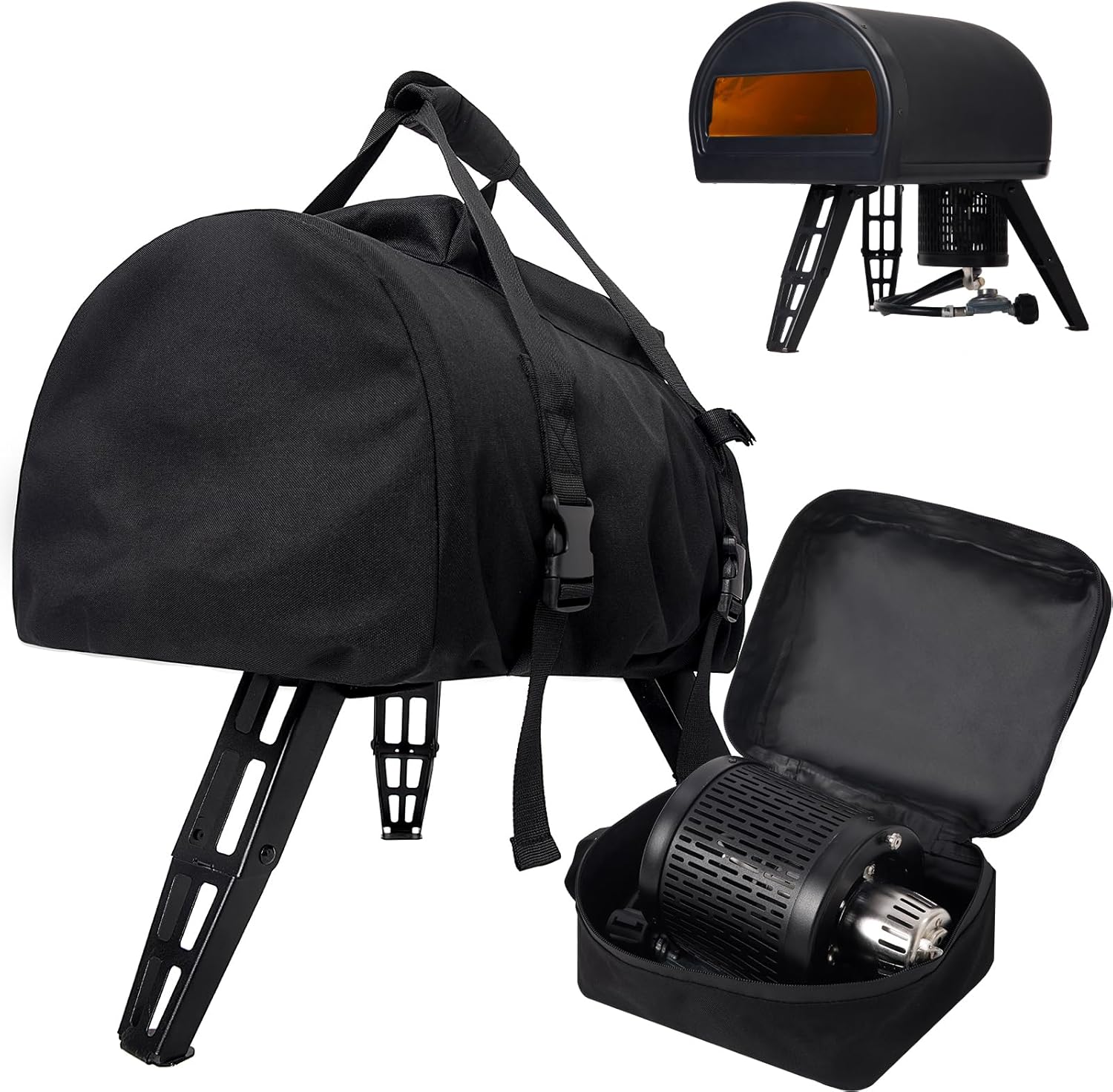
For one or two pizzas, you'd be hard pressed to tell the bakes apart. For volume, the Dome's thermal mass earns its premium.
Fuel flexibility: the Karu 16's secret weapon
The Karu 16 was designed around its multi-fuel hinge. Out of the box you burn wood or lump charcoal; Ooni's gas burner attachment turns it into a propane oven in about ten seconds. That swap matters more than spec sheets suggest. Most home cooks use gas on weeknights for speed and switch to wood on weekends for the smoke-kissed crust real Neapolitan demands.
The Gozney Dome offers a similar split, but only if you buy the more expensive Dual Fuel (S1) variant. The Solid Fuel version is wood-and-charcoal-only and locks you into a 30-minute warmup every session. If you already know you only want wood, that's fine. If you're hedging, factor the dual-fuel premium into your math.

Either way, expect to pay attention to fuel sourcing: kiln-dried oak or beech in 2026 runs about $30–40 per bag at most hardware stores, and you'll use roughly a third of a bag for a full pizza party.
Build quality, footprint, and portability
The Karu 16 is built like a high-end camping stove — stainless skin, hinged door, glass viewing window. Two adults can lift it onto a folding table. That makes it the obvious pick for renters, RV owners, or anyone who wants to wheel pizza night into the garage when it rains.
The Dome is a permanent installation. At 128 pounds it's not moving without a dedicated cart or stand (Gozney sells one; expect another ~$500). The payoff is something that looks and feels like a brick oven on your patio. If you have the real estate and the budget, it's the centerpiece of an outdoor kitchen rather than a piece of gear.
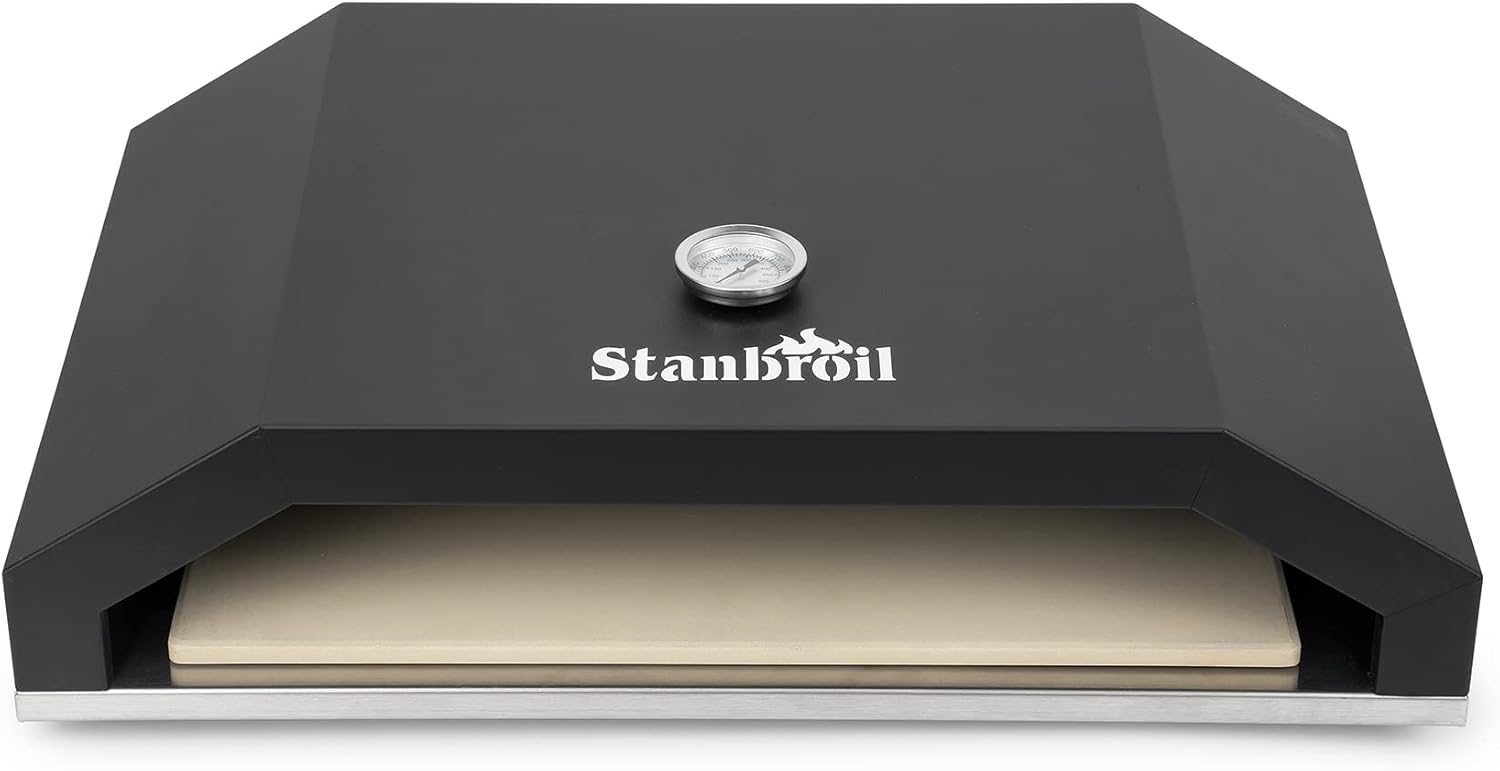
One often-missed detail: the Dome's larger mouth opening makes peel work dramatically easier. The Karu 16's narrower opening forces a more deliberate launch and turn, which is fine once you've practiced but can frustrate beginners.
Price-to-performance breakdown
The Karu 16 with the gas burner runs about $1,000 all-in. The Dual Fuel Dome with a stand and accessories sits closer to $3,000. That's a 3x price multiplier for maybe 20% better Neapolitan output and meaningfully better consistency at volume.
Where the Dome justifies the gap: if you bake more than 30 pizzas a month, host frequently, or want a built-in centerpiece. Where the Karu 16 wins outright: first-time pizza-oven buyers who don't yet know how often they'll use it. Plenty of Karu 16 owners run them three years, get hooked, and then upgrade. That's a defensible path.
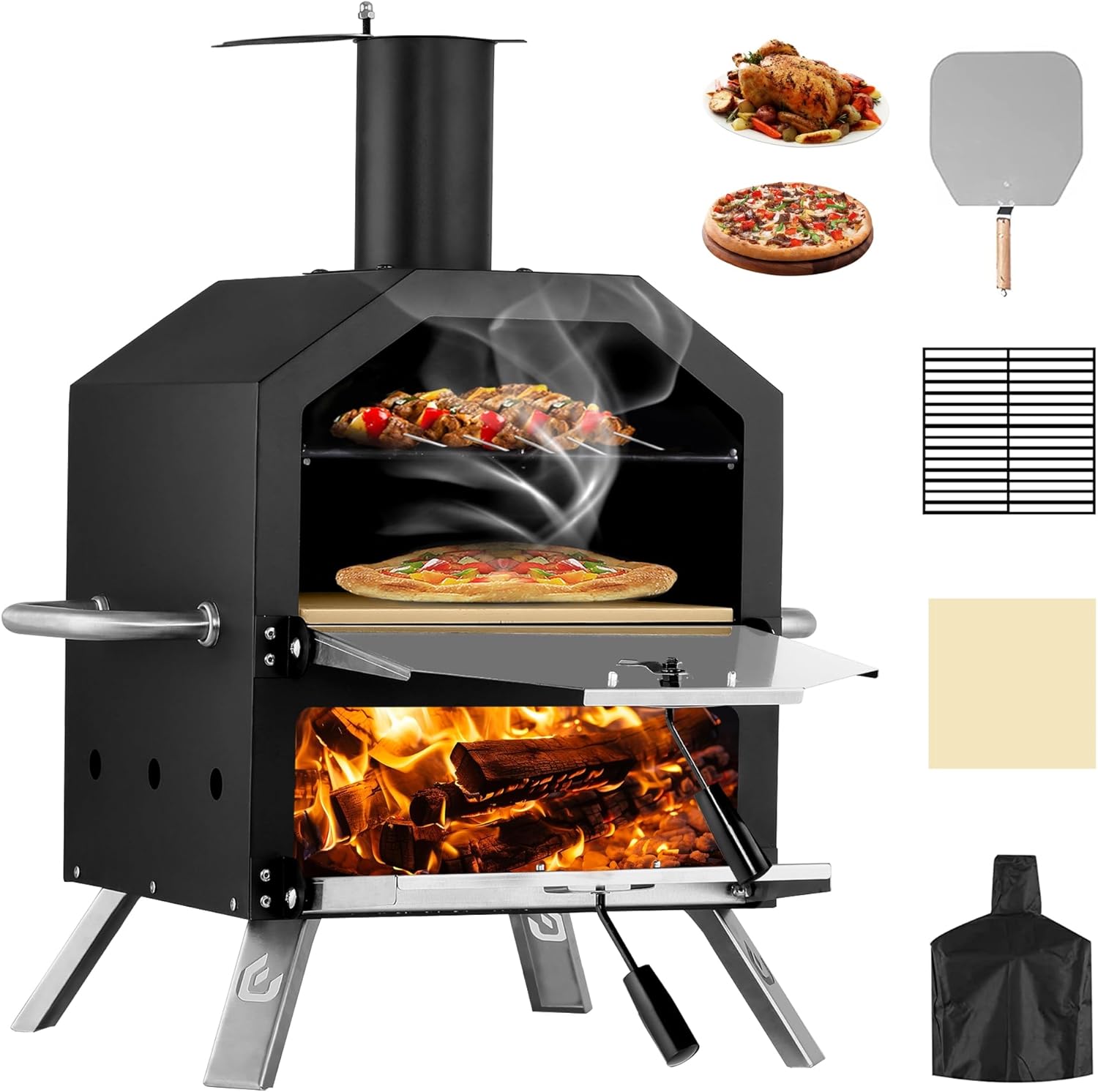
Before deciding, browse our best pizza peels for 16-inch ovens guide — a flimsy peel ruins more launches than a mediocre oven ever will.
Best alternatives if both are out of reach
Not everyone needs a 16-inch oven or a $2,000 budget. These four options cover the rest of the field in 2026, and we've tested each against the same 65% hydration Neapolitan dough.
Ooni Karu 12 — Karu DNA at half the price
The Karu 12 is the Karu 16's little sibling and the smartest entry point into the Ooni ecosystem. It hits 950°F, runs on wood, charcoal, or gas (with the same burner attachment style), and produces genuinely restaurant-grade 12-inch Neapolitans. The trade-off versus the 16 is exactly what you'd expect: smaller pizzas, a tighter chamber, and less thermal mass for back-to-back bakes. For a couple or small family, it's plenty. Check the Ooni Karu 12 on Amazon.
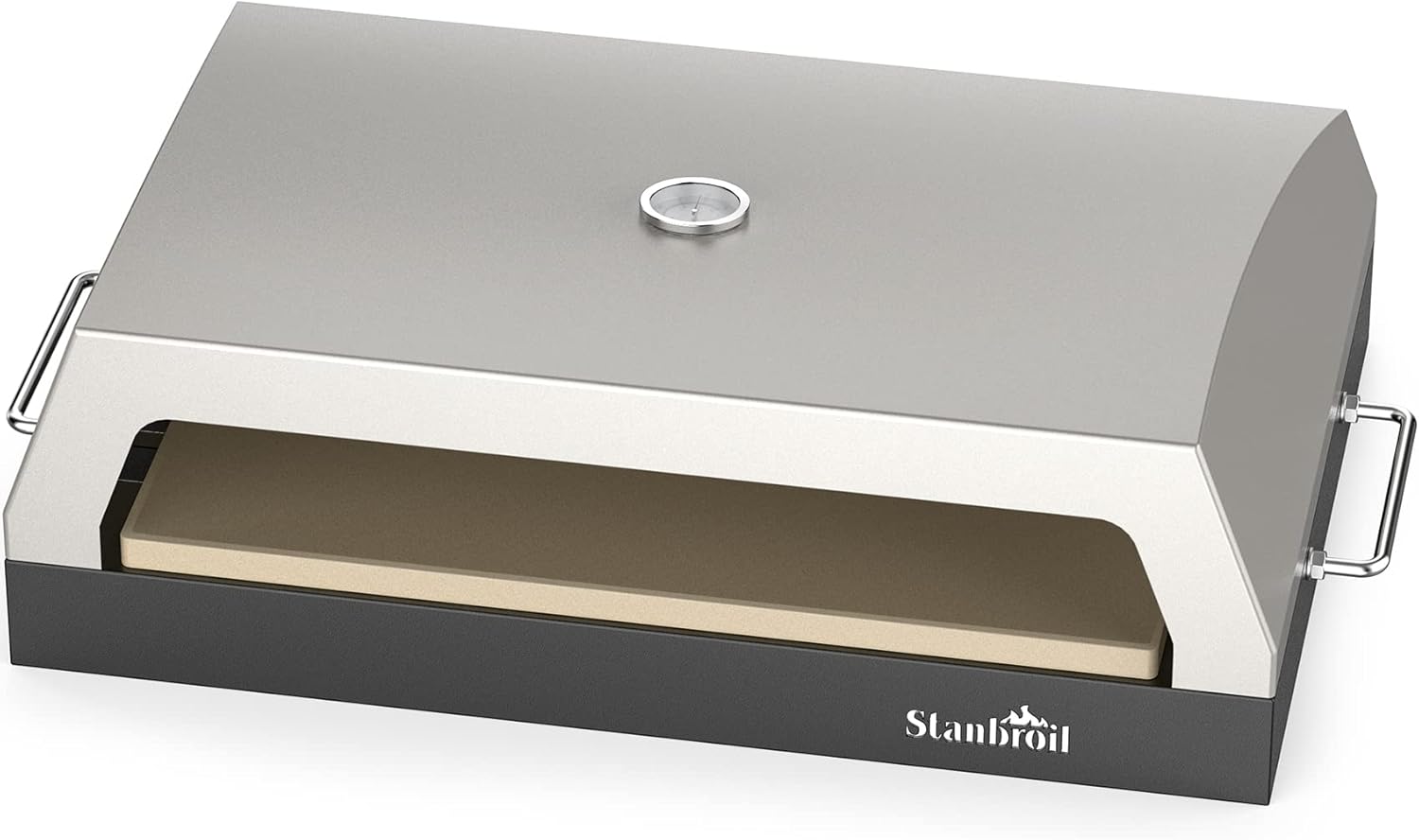
Ooni Koda 2 — 14-inch gas simplicity
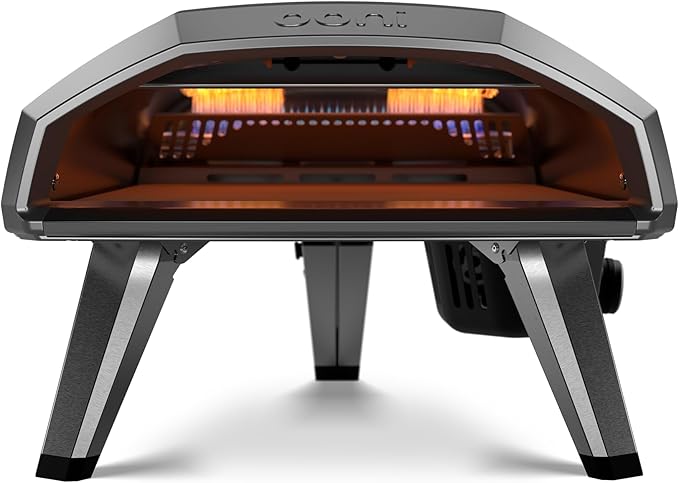
If you only ever want to push a button and bake, the Koda 2 is the no-fuss propane oven that splits the difference between the Karu 12 and Karu 16. Fourteen-inch capacity, twin burners for more even dome heat than the original Koda, and zero fuel-management fuss. It won't give you the smoke notes of wood, but for a Tuesday-night Margherita it's faster from cold to first pie than anything else here. Check the Ooni Koda 2 on Amazon.
Stoke 16-Inch — the value 16" outsider
Stoke's 16-inch oven is the budget play for cooks who want Karu-16-sized pies without the Ooni tax. It's multi-fuel, portable, and built around backyard-and-camping use. Heat retention isn't in the Dome's league, but for the price you get a true 16-inch chamber and acceptable Neapolitan results once you've dialed in the dough. Check the Stoke 16-Inch on Amazon.
BIG HORN 12-inch — the sub-$200 starter
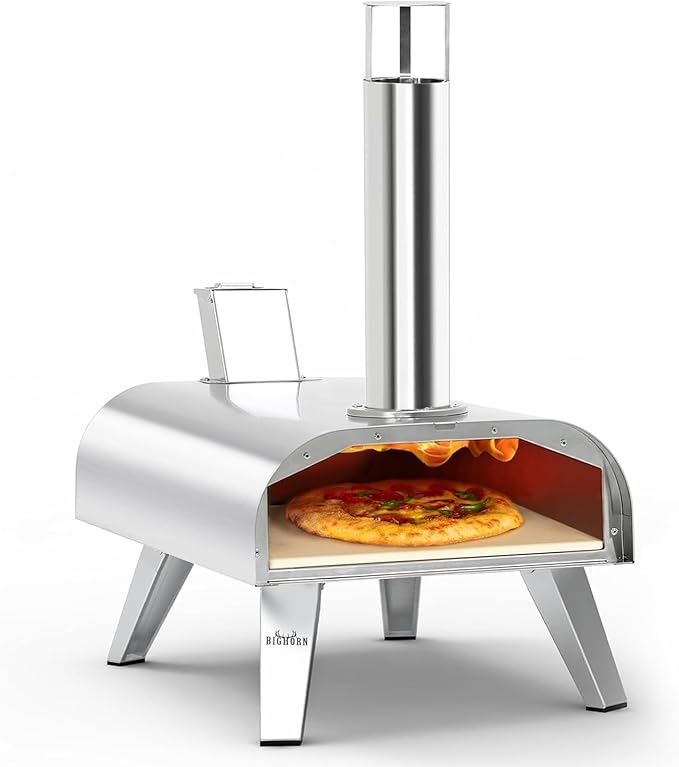
If you're not sure you'll stick with the hobby, the BIG HORN 12-inch is the cheapest credible way to find out. It claims 1110°F, accepts wood, gas, and electric setups depending on accessories, and produces decent (not great) 12-inch Neapolitans. The stone is thinner than premium options so recovery suffers, but for a few hundred dollars it's a low-risk way to test whether outdoor pizza is your thing before committing to a Dome. Check the BIG HORN 12-inch on Amazon.
Who should buy the Karu 16, and who should stretch for the Dome?
Buy the Karu 16 if: you bake 1–6 pizzas per session, want fuel flexibility, value portability, and aren't ready to commit a permanent patio footprint. It's also the right pick if this is your first pizza oven — the skills you build here transfer directly to a Dome later.
Buy the Gozney Dome if: you host regularly, want a permanent outdoor-kitchen centerpiece, demand bake-after-bake consistency, and have the budget to do it once. The Dome is a 10-year purchase; the Karu 16 is closer to a 5-year one.
Most importantly, dough matters more than oven. A perfect 72-hour cold-fermented 00-flour ball will outperform a sloppy same-day ball in either machine. See our 72-hour Neapolitan dough recipe before you spend a dollar on hardware.
Frequently Asked Questions
Can the Ooni Karu 16 really produce restaurant-quality Neapolitan pizza?
Yes — with caveats. The Karu 16 hits the temperature spec for true Neapolitan (900°F+ dome, ~800°F floor) and produces leoparded cornicione in 60–90 seconds. The caveat is heat recovery: by your fourth or fifth pizza, the floor temperature has dropped enough that bakes get longer and bottoms get paler unless you give the oven 2–3 minutes to recover. For volumes under five pies, it's genuinely restaurant-spec. Above that, the Gozney Dome's thermal mass earns its premium.
Is the Gozney Dome worth $2,000 more than the Karu 16?
If you bake more than 30 pizzas a month, host gatherings of 8+, or want a permanent outdoor-kitchen centerpiece, yes. The Dome's insulation and heat recovery are in a different league. For a couple or small family doing weekly pizza night, the upgrade delivers maybe 20% better results for 250% more money — hard to justify unless aesthetics and longevity matter to you.
What's the best fuel for Neapolitan in the Karu 16 vs the Dome?
Kiln-dried hardwood (oak, beech, or maple) gives the smoke notes that define true Neapolitan. Both ovens burn it well. Gas is faster and more controllable but produces a slightly cleaner-tasting crust without the wood-kissed char. Many owners use gas for weeknight speed and wood for weekend perfection. Avoid softwoods (pine, fir) entirely — they create soot and off-flavors.
How long does each oven take to reach Neapolitan temperature?
The Karu 16 reaches 900°F in about 15–20 minutes on gas, slightly longer on wood. The Gozney Dome takes 30–45 minutes from cold because there's so much more mass to heat. Once at temperature, the Dome holds the heat far longer and recovers much faster between pies — the longer warmup is the price you pay for the thermal stability.
Can either oven handle pizzas other than Neapolitan?
Both excel at New York, Detroit, and Roman styles when you turn the flame down. The Dome's larger chamber and better low-temperature stability make it slightly more versatile for longer bakes like Sicilian or focaccia. The Karu 16 is best when you want a single style; switching temperature ranges takes longer because of the lighter insulation.
Do I need a pizza stone upgrade for either oven?
No. Both ship with cordierite stones thick enough for proper Neapolitan bakes. Aftermarket biscotto saputo stones (from Naples) give a slight edge in heat retention and reduce burning on the bottom for new bakers, but they're a refinement, not a fix. If you're getting pale bottoms, check our guide to seasoning a pizza oven stone first — it's usually a temperature or dough issue, not the stone.
Is the Ooni Karu 16 vs Gozney Dome for restaurant-quality Neapolitan the right comparison, or should I look at the Roccbox?
The Gozney Roccbox is a 12-inch oven and competes directly with the Ooni Karu 12, not the Karu 16 or the Dome. If you're comparing 16-inch ovens at restaurant spec, Karu 16 vs Dome is the correct head-to-head. If 12 inches is enough for you, comparing Roccbox vs Karu 12 saves you significant money and is the smarter shopping path.
Key Takeaways
- Choosing the right ooni karu 16 vs gozney dome for restaurant quality neapolitan means matching capacity and output ports to your actual devices
- Always check actual watt-hours (Wh), not just watts — runtime depends on Wh, not peak output
- Also covers: karu 16 vs dome neapolitan home
- Also covers: gozney dome restaurant quality pizza
- Also covers: ooni karu 16 authentic neapolitan
- Compare price-per-Wh across models to find the best value for your budget