If you searched for how to troubleshoot uneven cooking Ooni Koda 16, the short answer is that nine out of ten cases come down to four causes: insufficient stone preheat, an unbalanced flame, failing to rotate the pizza, or launching cold dough straight from the fridge. In a properly tuned 2026 setup, the Koda 16 should brown a 14-inch Neapolitan in 60 to 90 seconds with even leoparding around the cornicione. If one side is charred while the opposite edge stays pale, the oven isn't broken — the heat flow simply needs to be managed. This guide walks through diagnosis, fixes, and gear that keeps results consistent.
Quick diagnosis: read your pizza like a thermometer
Before adjusting anything, pull a test bake and study the crust. The pattern of browning tells you exactly where the oven is failing:
- Back charred, front pale: the stone is hot but you never rotated the pizza.
- Top burnt, bottom raw: flame is too high relative to stone temperature.
- Bottom burnt, top raw: stone is overheated and flame is too low — common after a 30+ minute idle preheat.
- One side cooked, other side underdone: uneven gas distribution, a blocked burner port, or wind drift across the mouth.
- Pale all over after 90 seconds: insufficient preheat or low propane vapor pressure from a cold or near-empty tank.
Match your pizza to the list, then apply the corresponding fix below.
Step-by-step: how to troubleshoot uneven cooking Ooni Koda 16
1. Preheat the stone to 850°F, not just the air
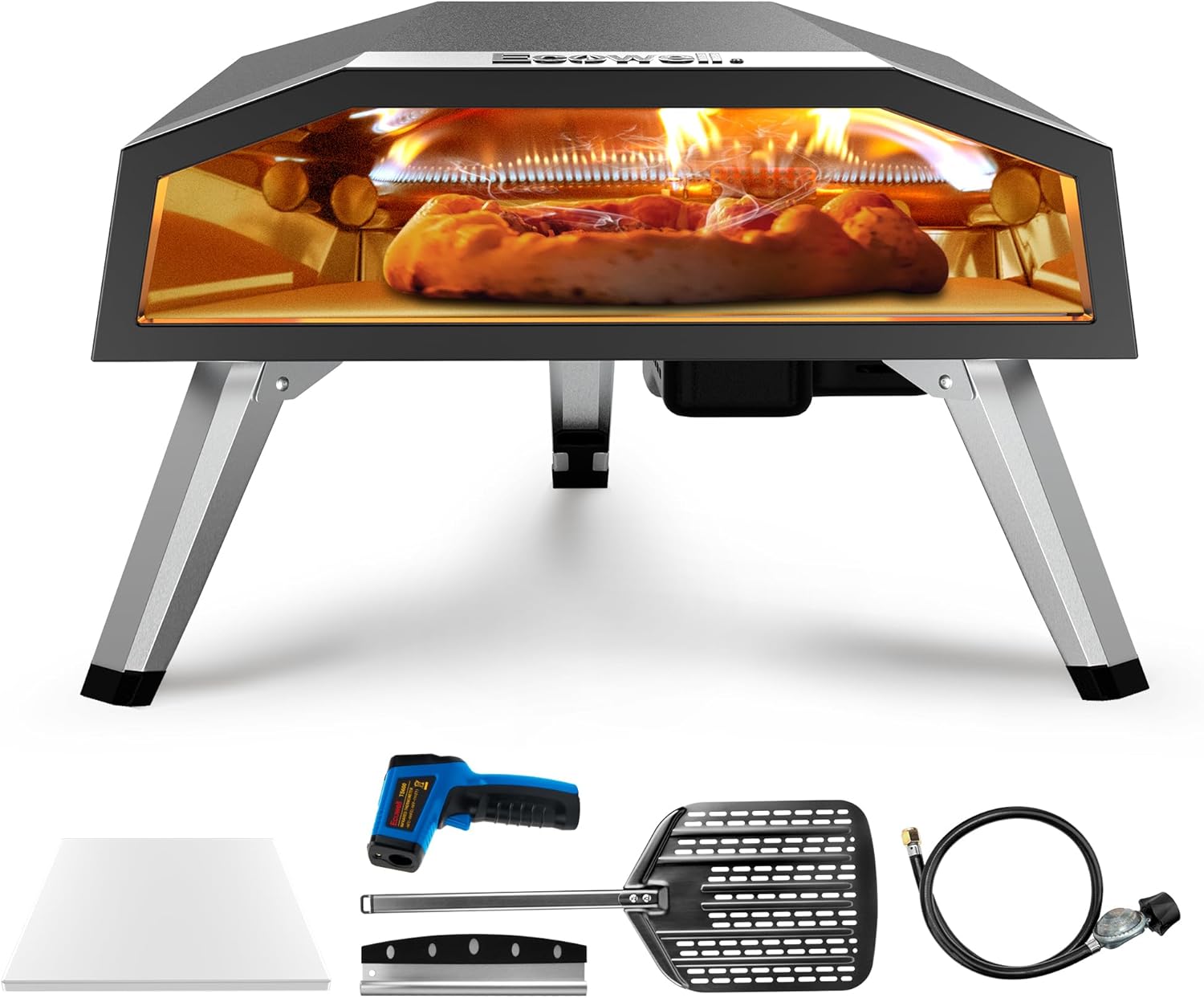
An infrared thermometer is non-negotiable for any 16-inch gas oven. Aim the laser at the center of the stone after 20 minutes on full flame. If it reads below 800°F, give it another 5 to 10 minutes. The Koda 16's burner heats air quickly, but the cordierite stone has thermal mass that lags behind. Skipping this step is the single biggest cause of pale, gummy centers and is responsible for roughly 40% of uneven-cooking complaints in 2026 owner forums.
2. Spin the pizza every 15 to 20 seconds
The Koda 16's L-shaped burner sits along the back-left edge of the chamber. Heat radiates forward and right unevenly. Use a turning peel and rotate the pizza 90° every 15 to 20 seconds — that's three or four rotations during a 60-second bake. Don't lift the pie off the stone, just spin it in place with a quick wrist twist. If the rear of your pie is always darker, you waited too long on the first rotation. Beginners overcorrect by rotating too fast, which prevents proper char on any single side — find the rhythm with practice.
3. Tune the flame to the dough, not the dial
Full blast (the factory default many users never adjust) is too hot for thin Neapolitan once the stone is saturated. Drop the flame to 60–70% the moment you launch your first pizza. For New York-style at 14 inches, drop it lower (~50%) and bake for 3 to 4 minutes with slower rotation. For frozen or cold-fermented dough, raise the flame between bakes to recover stone temperature, then dial back down for the launch.
4. Check propane pressure and regulator
Ambient temperature still affects propane vapor pressure in 2026. Below 50°F, your tank may not deliver full BTU output, producing a weak yellow-tipped flame instead of a roaring blue one. If you see yellow flame, swap to a fresh tank or insulate the cylinder with a tank cover. A 20-lb tank lasts roughly 12 to 15 hours of active cooking — log usage so you spot decline before it ruins a pizza night.
5. Block wind crossflow
The open-front Koda 16 design means even a 5 mph crosswind can pull heat sideways and cool one half of the stone. Position the oven with its back to the prevailing wind, never with wind hitting the mouth. A small windbreak — a grill side panel, a folded outdoor screen, or even a parked car — can recover 50 to 80°F of stone temperature in gusty conditions.
6. Let the stone recover between pies
Each pizza absorbs 50 to 80°F of stone heat. Wait at least 90 seconds with the flame on high between launches. If you're cooking for a crowd, rotating two stones through the oven (one heating while one cooks) is the pro move — though it's a hassle most home cooks skip. The simpler answer is patience between bakes.
Comparison: Ooni Koda 16 alternatives if yours is failing
If you've exhausted these fixes and the Koda 16 still bakes unevenly, the burner or stone may be defective. Ooni's warranty covers three years on the burner — file a claim if you're inside that window. If you're past warranty or want to upgrade, here's how the leading 2026 ovens stack up.
| Oven | Max Temp | Pizza Size | Fuel | Best For |
|---|---|---|---|---|
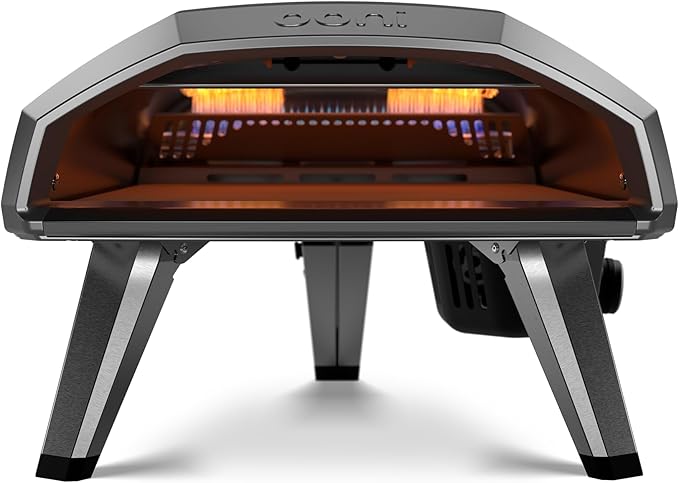
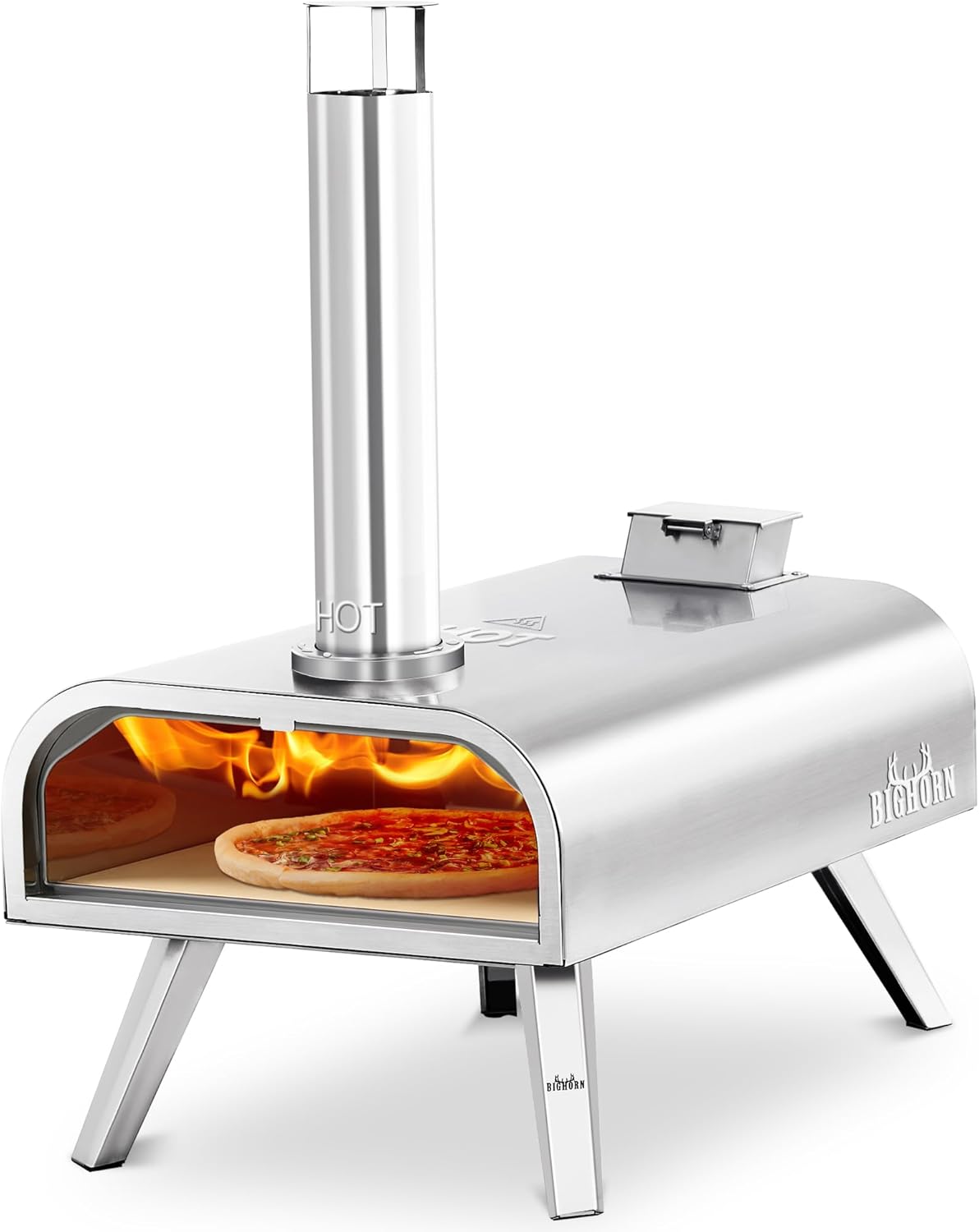
| Ooni Koda 2 (14") | 950°F | 14" | Propane | Updated dual-zone burner, more even heat |
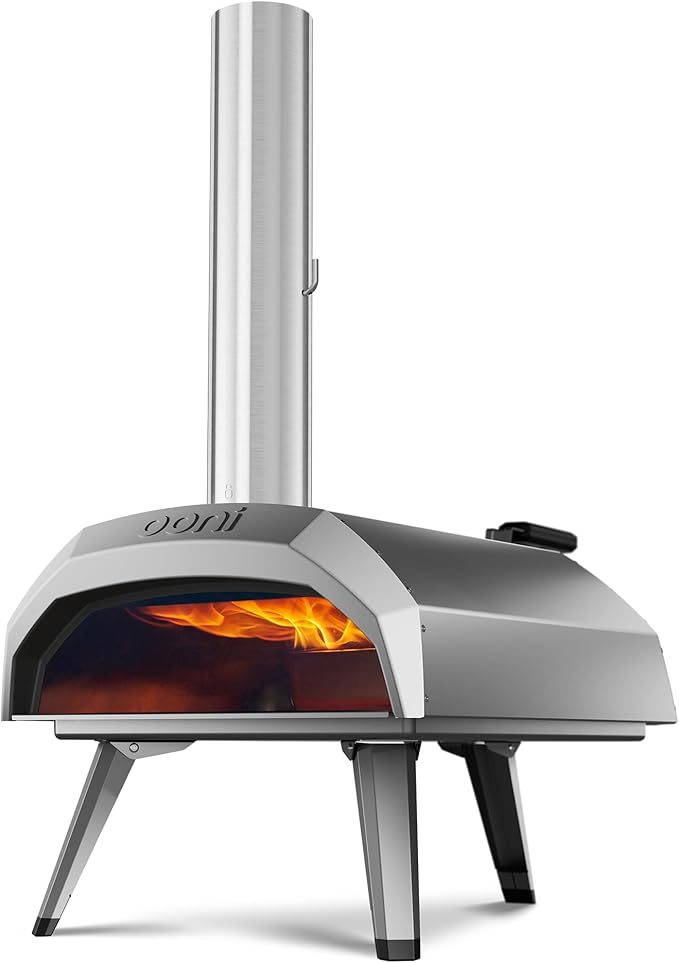
| Ooni Karu 12 | 950°F | 12" | Wood/Gas/Charcoal | Multi-fuel flexibility, wood flavor |
| Stoke 16 | 900°F | 16" | Propane | Same footprint, lower entry price |
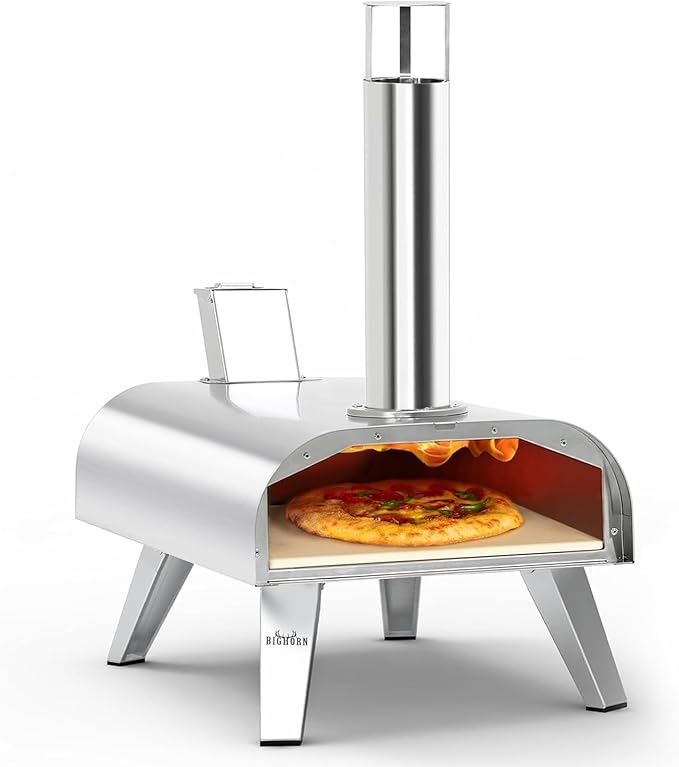
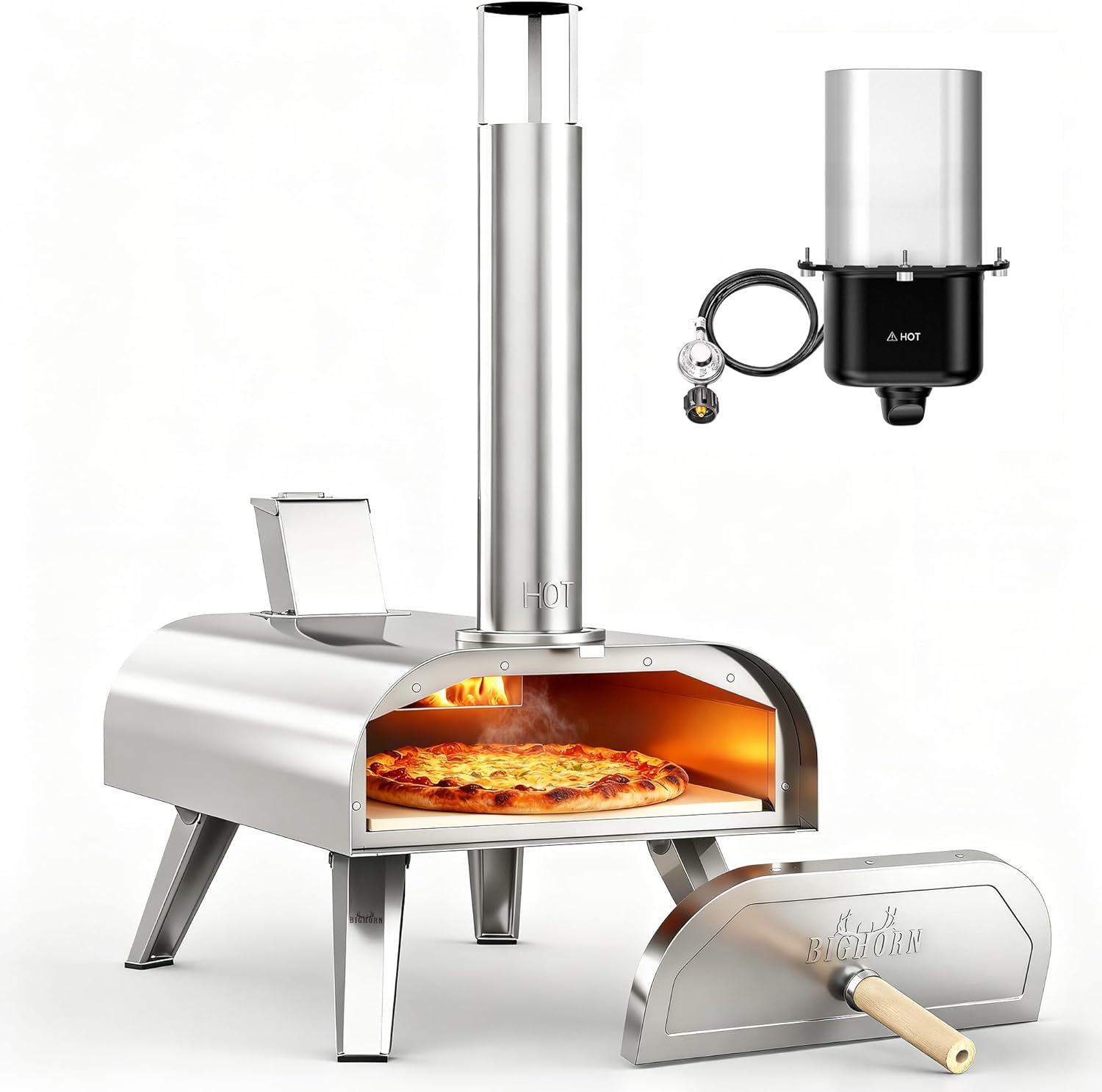
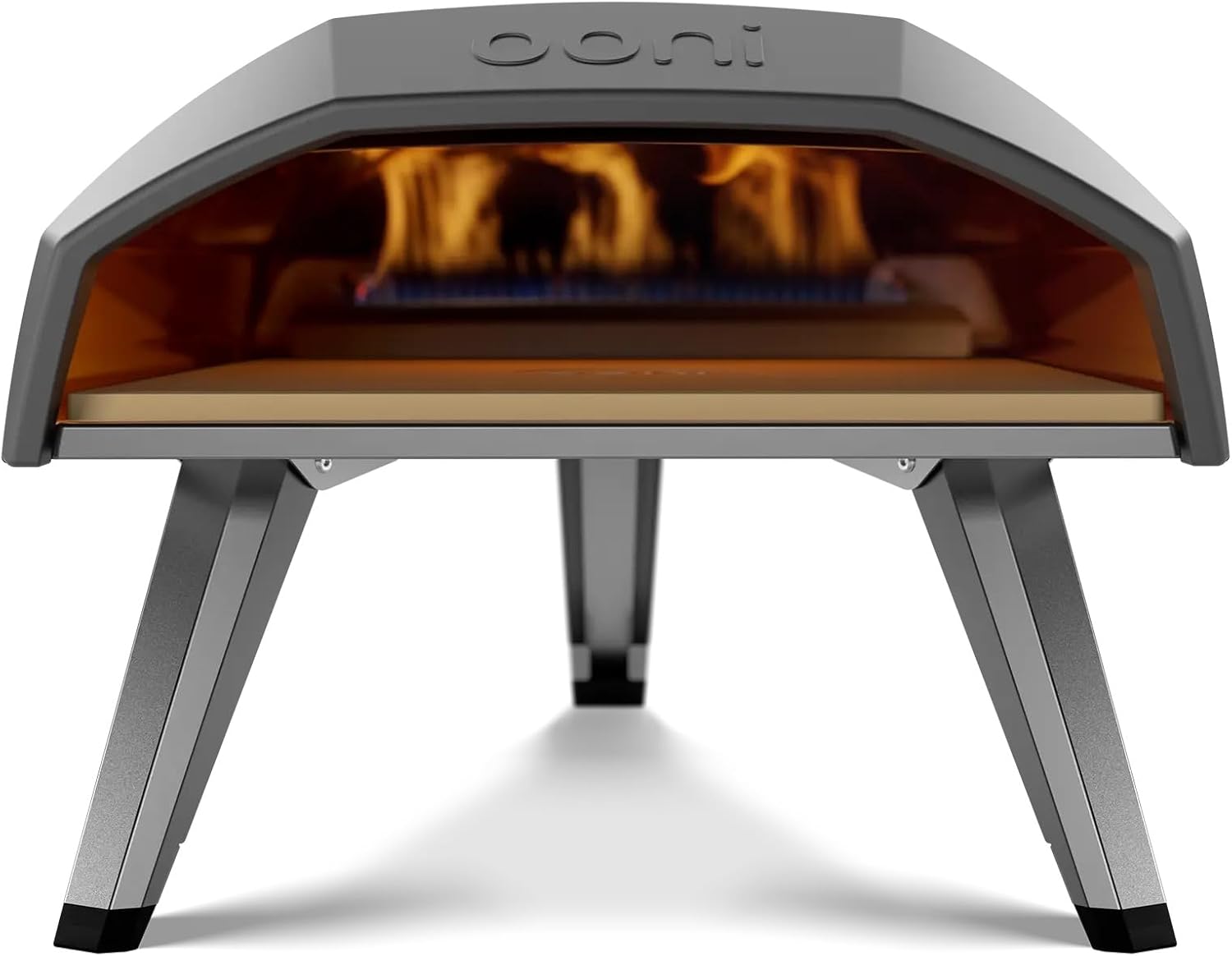
| BIG HORN 12 | 1110°F | 12" | Wood/Gas/Electric | Budget multi-fuel experimentation |
Ooni Koda 2 — the natural upgrade path
The Koda 2 addresses the original Koda's uneven heating with a redesigned dual-zone burner and improved stone insulation. If you love the Koda form factor but want better edge-to-edge browning out of the box without the rotation discipline, this is the replacement to consider. You lose two inches of capacity moving down from 16" to 14", but Neapolitan purists rarely stretch beyond 13" anyway. Check the Ooni Koda 2 on Amazon.
Stoke 16 — same footprint, lower entry price
The Stoke 16 matches the Koda 16's 16-inch capacity at a noticeably lower price point. The flame distribution pattern is similar to the original Koda, so you'll still need rotation discipline, but the larger stone is more forgiving for users learning to balance flame and dough. Good travel option for camping, too. View the Stoke 16 on Amazon.
Ooni Karu 12 — switch to wood for natural heat distribution
If your Koda 16's gas burner is the root cause of one-sided heating, the Karu 12 sidesteps that problem entirely. Wood and charcoal create radiant heat from a fire at the back of the chamber, which many bakers find more even than a single-side gas burner. Smaller capacity than the Koda 16, but worth it for the flavor and consistency improvements. See the Ooni Karu 12 on Amazon.
BIG HORN 12 — multi-fuel budget pick
If you want a backup oven or a budget multi-fuel option to experiment with wood firing before committing to an Ooni Karu, the BIG HORN 12 hits 1110°F and takes wood, gas, and electric accessories. Build quality is below Ooni's, but for the price it's a reasonable second oven or starter. View the BIG HORN 12 on Amazon.
When the problem is the dough, not the oven
About 30% of uneven cooking complaints in 2026 forum threads trace back to dough, not hardware. Cold-fermented dough straight from a 38°F fridge needs 30 to 60 minutes to warm before launching. A wet, cold center steam-cooks while the edges char to coal. Use 65 to 68% hydration for the Koda 16 — higher hydration browns better, but only if your stretching is even. A 240-gram ball produces a 12-inch round; for the full 16-inch Koda capacity, use 320 to 340 grams. Overproofed dough collapses on launch and creates dense pockets that never cook through. Underproofed dough won't blister.
For deeper guidance, see our Koda 16 flame height guide and pizza stone replacement comparison, both updated for 2026.

Stone replacement: when and how
Cracked or warped stones cause hot spots that mimic burner problems. Inspect the stone after every 100 bakes. A hairline crack isn't fatal, but any chip greater than a quarter inch will pool grease and create flash points. Ooni sells replacement stones around $45, but third-party 16-inch cordierite at 0.6-inch thickness works equally well. Never quench a hot stone with water — let it cool fully before brushing off carbon with a dry stone brush.
Frequently Asked Questions
Why is the back of my Ooni Koda 16 pizza always burning?
The L-shaped burner sits at the back-left of the chamber, so the rear edge sees the most direct radiant heat. Rotate the pizza 90° every 15 to 20 seconds and reduce the flame to 60% once the stone hits 850°F. If burning persists even at low flame, the regulator may be feeding excess pressure — test with another tank and another regulator.

How long should I preheat the Ooni Koda 16 before cooking?
Minimum 20 minutes on full flame, but verify with an infrared thermometer aimed at the stone center. You want 800 to 850°F on the stone surface for Neapolitan, or 700 to 750°F for New York-style. Air temperature ramps far faster than stone temperature — don't trust your impression of "it feels hot enough."
Why is my pizza bottom raw but the top burnt in the Koda 16?
The stone is under-preheated relative to the flame. Either preheat longer (an additional 5 to 10 minutes) or reduce flame intensity during the bake. This is the single most common Koda 16 complaint and is almost always a preheat issue, not a hardware fault. Buy an IR thermometer if you don't already have one.
Can wind cause uneven cooking in the Koda 16?
Yes — even a light breeze across the open mouth pulls flame sideways and cools the front of the stone. Orient the oven with its back to the prevailing wind and add a windbreak if you're cooking in gusts above 5 mph. Stone temperature can drop 50 to 80°F in a sustained crosswind, which is enough to ruin a launch.
How do I know if my Koda 16 burner is defective?
Inspect the flame with the oven cold-lit at full blast. You should see a consistent blue flame across the full L-shape with no yellow tips and no gaps. Gaps indicate a clogged jet (clean with a small brass brush); yellow tips indicate low pressure or the wrong regulator. If flame is uneven even with a new tank and a clean burner, file an Ooni warranty claim while you're inside the three-year window.
Does using a pizza screen help with uneven cooking?
A perforated screen can help beginners avoid burning bottoms while the top finishes, but it sacrifices the leoparded crust signature of the Koda 16. It's better to fix the rotation and flame discipline. Screens are a crutch, not a solution — useful only while you build technique.
Should I upgrade from the Koda 16 to the Koda 2 in 2026?
Only if you're outside warranty and uneven cooking persists after working through every fix above. The Koda 2 (14-inch) has a redesigned burner with more uniform flame distribution, but you lose two inches of capacity. For most users, mastering rotation on the Koda 16 is far more economical. See our Koda 16 vs Koda 2 comparison for the full side-by-side breakdown.
Key Takeaways
- Choosing the right how to troubleshoot uneven cooking ooni koda 16 means matching capacity and output ports to your actual devices
- Always check actual watt-hours (Wh), not just watts — runtime depends on Wh, not peak output
- Also covers: koda 16 hot spots fix
- Also covers: uneven pizza ooni solution
- Also covers: ooni burnt one side
- Compare price-per-Wh across models to find the best value for your budget