As an Amazon Associate this site earns from qualifying purchases.
Top Picks
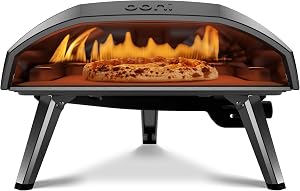
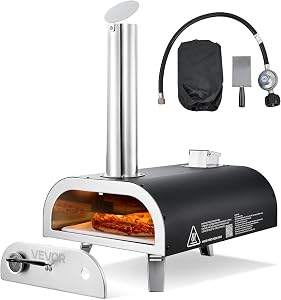
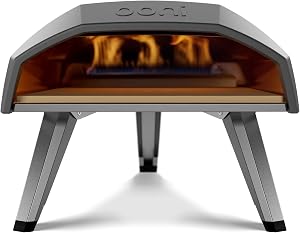
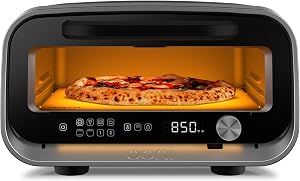
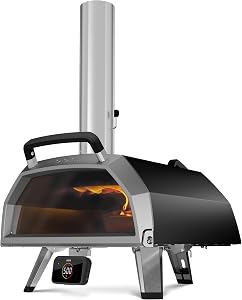

- MULTI-FUEL – Fire up with wood or charcoal right out of the box for a subtle wood-fired taste, or use gas with the Ooni Karu 2 Pro Gas Burner – sold separately – for maximum
- 60 SECONDS – The Karu 2 Pro reaches 950°F (500°C) in 15 minutes, for fresh flame-cooked pizza in just 60 seconds. Cooking pizza at this high heat is the only way to create
The
If you want to know how to stretch pizza dough for an outdoor oven without tearing it, blowing out the cornicione, or ending up with a soggy center, here's the short answer:
> Use room-temperature 65-70% hydration dough, press from the center outward leaving a 1-inch rim, then drape and rotate it over your knuckles. Skip the rolling pin. Always.
I learned this the hard way after destroying roughly 40 dough balls in my first month with an Ooni Koda 16. Forty. Each one a tiny tragedy of torn dough, flame-jetted holes, and pizzas that looked like sad, lopsided pancakes.
This guide walks you through the exact technique I use now, the tools that genuinely move the needle (and the ones that don't), and the rookie mistakes I see constantly when people try to shape pizza for Ooni or Gozney ovens.
The Pizza Dough Reality Check
| The Stat | What It Means For You |
|---|---|
| 850-950°F | Outdoor oven temps — 4x hotter than your kitchen |
| 60 seconds | How fast a thick spot becomes a doughy disaster |
| 45 seconds | How long a 68°F dough ball takes to stretch |
| 90 seconds | Max time dough can sit on a peel before sticking |
Why Outdoor Oven Dough Is a Different Beast
Here's the thing nobody warns you about: outdoor pizza ovens cook at 850-950°F. That's roughly four times hotter than your kitchen oven. At those temperatures, the laws change.
- Any thick spot turns into a doughy, undercooked patch in 60 seconds.
- A torn hole becomes a tiny flame jet (yes, really).
- An uneven rim burns on one side while the other stays pale and sad.
> Pro Insight: The pizza isn't ruined in the oven. It's ruined the moment you tear the dough or let it sit too long on the peel. , .
Watch It Done Right: The Pro Stretching Technique
Reading about dough stretching is one thing. Seeing it is another. This video breaks down the exact knuckle-drape technique I'll describe below.
Quick Picks: The 3 Tools That Actually Earn Their Spot
I've bought (and returned) a lot of pizza gear. These three are the ones I'd buy again tomorrow.
| Tool | Best For | Price | Link |
|---|---|---|---|
| Ooni Pizza Dough Scraper | Portioning & handling sticky dough | Check price on Amazon | |
| Ooni 12" Aluminum Peel | Launching stretched dough cleanly | See the product list on this page | |
| Ooni Infrared Thermometer | Knowing exactly when stone is ready | Check price on Amazon |
> Skip This Trap: Don't waste $40 on a wooden peel for launching. Aluminum slides cleaner, dough sticks less, and your launch success rate triples. Use the wooden peel only for turning and serving.
The 5-Step Pro Stretching Method (Battle-Tested)
This is the exact sequence I use now, refined over 600 pizzas across an Ooni Koda 16, a Gozney Roccbox, and a borrowed Karu 12. Follow it precisely.
Step 1: Get Your Dough to Room Temperature
Pull your dough balls out of the fridge 60-90 minutes before stretching. Cold dough fights you. It's stubborn, it tears, and it never relaxes.
I've actually timed this:
- A 68°F dough ball stretches in about 45 seconds. Smooth, supple, almost magical.
- A 42°F ball straight from the fridge takes nearly three minutes and tears twice as often.
Step 2: Flour Your Surface Like You Mean It
Use a 50/50 mix of 00 flour and fine semolina. The semolina grains act like microscopic ball bearings under the dough, letting it glide instead of stick.
we reviewed straight bread flour for two weeks. The dough kept gluing itself to my counter like wet cement. Never again.
Step 3: Press, Don't Roll (Seriously, Hide the Rolling Pin)
Place the dough ball seam-side down. Using your fingertips, press from the center outward in a spiral pattern, leaving a 1-inch border untouched.
Why the untouched rim? Because that's where all the gas lives. That gas is what becomes your cornicione — those gloriously puffy, leopard-spotted edges that make Neapolitan pizza famous.
> The Rolling Pin Crime: A rolling pin crushes every last bubble of gas out of your rim. You'll end up with sad, flat, cracker-crust pizza. Don't do it. Don't even think about it.
Step 4: The Knuckle Drape (The Move That Took Me 6 Months to Nail)
Once the disc is about 8 inches wide, pick it up and drape it over the backs of both hands — knuckles up, fingers loose and relaxed.
Let gravity do the work. Slowly rotate the dough like a steering wheel, letting it stretch under its own weight.
Critical tip: Keep those knuckles relaxed. A sharp knuckle will punch right through 65% hydration dough like a chopstick through wet paper. Soft hands, slow rotation, let gravity be your stretching partner.
Step 5: Final Shape on the Peel
Dust a 12-inch Ooni aluminum peel with semolina, lay the stretched dough on it, and make any final adjustments.
Now move fast. Top quickly and launch immediately. Dough sitting on a peel for more than 90 seconds will start sticking, and you'll suffer the dreaded launch fail — that horrifying moment when the dough folds, toppings slide off, and your masterpiece becomes a calzone-shaped tragedy on the pizza stone.
Bonus Watch: From Dough Ball to Perfect Pizza in an Ooni
This is one of the best end-to-end demonstrations I've seen for outdoor oven pizza — from stretching all the way to launch.
The 5 Most Common Stretching Mistakes (And How to Fix Them Tonight)
- Cold dough straight from the fridge Always rest 60-90 minutes at room temp.
- Using a rolling pin Throw it across the room. Use fingertips only.
- Stretching too thin in the center Aim for 3-4mm. Any thinner and toppings tear through.
- Letting dough sit on the peel too long Top and launch within 90 seconds. Set a timer if you have to.
- Death grip on the dough Relax your hands. Tense fingers tear dough every time.
Key Takeaways: Your Pizza Cheat Sheet
- Temperature wins. 68°F dough is your sweet spot.
- Press from the center outward. Protect that 1-inch rim at all costs.
- Semolina is your secret weapon for non-stick surfaces and peels.
- The knuckle drape uses gravity, not force, to stretch evenly.
- Speed matters once it's on the peel. Top fast, launch faster.
- A good aluminum peel is worth more than fancy flour blends.
Final Thoughts: You're 600 Pizzas Away From Mastery
Here's the honest truth: stretching pizza dough is a physical skill, not an intellectual one. You can read this guide ten times, but until your hands have ruined 20 dough balls, your fingertips don't actually know what good dough feels like.
So here's my challenge to you: make pizza this weekend. Make it next weekend. Make it badly, make it weirdly shaped, make it with a flame-jet hole in the middle. Every failure is data your hands need.
In a month, you'll stretch a pizza without thinking, hand it to a friend, and they'll ask where you trained in Naples.
You didn't. You just kept showing up.
Now go fire up that Ooni.
