To restore rusted Ooni Koda 16 ovens left uncovered through winter, start by cooling and emptying the chamber, then scrape loose rust with a stainless wire brush, treat pitted areas with a phosphoric-acid converter (Evapo-Rust or Loctite Naval Jelly), wipe with denatured alcohol, and re-season the steel shell and stone with high-smoke-point oil at 500°F for 30 minutes. Surface rust on the outer powder coat, burner shroud, and stone tray is almost always cosmetic and fully reversible. Deep pitting on the burner tube or gas valve, however, is the one failure mode that ends the oven's life — and we'll show you how to tell the difference before you spend a weekend on a lost cause.
This 2026 guide walks through the exact restoration sequence we've used on three winter-abused Koda 16 units pulled from Ontario, Vermont, and coastal Oregon backyards. We'll also cover when a rust-eaten Koda is beyond saving and which current-generation ovens make the best replacement if yours is toast.
When shopping for restore rusted Ooni Koda 16, it pays to compare specs, capacity, and real-world runtime before committing.

Assessing the Damage Before You Start
Before you buy a single supply, spend 20 minutes diagnosing. A Koda 16 left uncovered through a wet winter typically shows four distinct rust patterns, and only two of them are worth your time to fix.
Cosmetic surface rust appears as orange bloom on the outer black powder-coated shell, the chimney-less roof, and the leg attachment points. This wipes off with a Scotch-Brite pad and looks like new after touch-up paint.

Stone tray oxidation shows up as dark orange staining on the cordierite baking stone and the steel tray beneath it. The stone itself doesn't rust — what you're seeing is iron transfer from the tray. Both clean up easily.
Burner tube pitting is the dangerous one. Lift the stone, look at the H-shaped stainless burner, and run a fingernail across it. If you feel craters deeper than a credit-card edge, or if any of the gas jets are blocked with rust scale, stop. A pitted burner can leak unburned propane and is not a DIY repair.
Gas valve and regulator corrosion means immediate replacement, not restoration. Ooni sells replacement valve assemblies for roughly $45, and you should never attempt to clean a corroded gas valve in place.
The Full Restoration Procedure
Once you've confirmed the rust is cosmetic or limited to the shell and stone tray, the restoration takes about four hours of active work spread across a weekend. Here's the step-by-step process to restore rusted Ooni Koda 16 units back to working condition.
Step 1: Disassemble and Soak
Disconnect the propane regulator and remove it entirely — set it aside in a dry bin. Pull the baking stone (it lifts straight up) and the steel stone tray beneath it. Unscrew the four leg bolts and remove the legs. You're left with the main oven body, which is the only piece that should remain partially assembled.

Submerge the stone tray, legs, and any removable hardware in a plastic tub of 50/50 white vinegar and water for 12 hours. This dissolves light rust without aggressive scrubbing.
Step 2: Mechanical Rust Removal
For the main body, use a brass-bristle brush (never steel — it embeds and accelerates future rust) on flat panels, and a Dremel with a nylon abrasive wheel on welds and corners. Work in 6-inch sections, then wipe immediately with a microfiber soaked in denatured alcohol to lift residue before it re-oxidizes.
The interior ceiling of the Koda 16 — the part directly above the flame — is heat-treated stainless and rarely rusts. If it has surface bloom, a Scotch-Brite pad and elbow grease are all you need.
Step 3: Chemical Conversion
For pitted spots on the outer shell, apply Loctite Naval Jelly with a chip brush, let sit 8 minutes, and wipe off with a damp rag. The phosphoric acid converts iron oxide to iron phosphate, which is stable and paintable. For deeply set rust, repeat once.
Step 4: Re-Season and Touch Up
Reassemble the oven dry. Rub flaxseed or grapeseed oil on all bare steel (interior and exterior) with a lint-free cloth. Connect the propane, ignite on low, and ramp to maximum over 20 minutes. Hold at 500°F for 30 minutes. The oil polymerizes into a hard, black, rust-resistant layer — the same chemistry that seasons cast iron.
For the outer powder coat, high-temperature stove paint (rated to 1200°F) in matte black blends nearly invisibly with the factory finish. Two thin coats, 30 minutes apart, cured with a 15-minute burn cycle.
When the Koda 16 Is Beyond Saving
If your burner tube is pitted through, the gas valve is seized, or the internal ceramic fiber insulation has absorbed water and crumbled, the math stops working. A new Koda 16 retails around $599 in 2026, and parts plus labor to fully rebuild a winter-rusted unit can exceed $350. At that point, you're better off either upgrading within the Ooni line or moving to a competitor that fits how you actually cook. Our full Ooni vs Gozney comparison covers the broader landscape.
Replacement Options if Restoration Fails
If the burner is dead and you're starting over, here are the ovens we recommend in 2026 based on how the Koda 16 was actually being used.
| Model | Fuel | Max Temp | Cooking Surface | Best For |
|---|---|---|---|---|
| Ooni Koda 2 (14") | Propane | 950°F | 14" | Direct Koda 16 replacement, smaller pies |
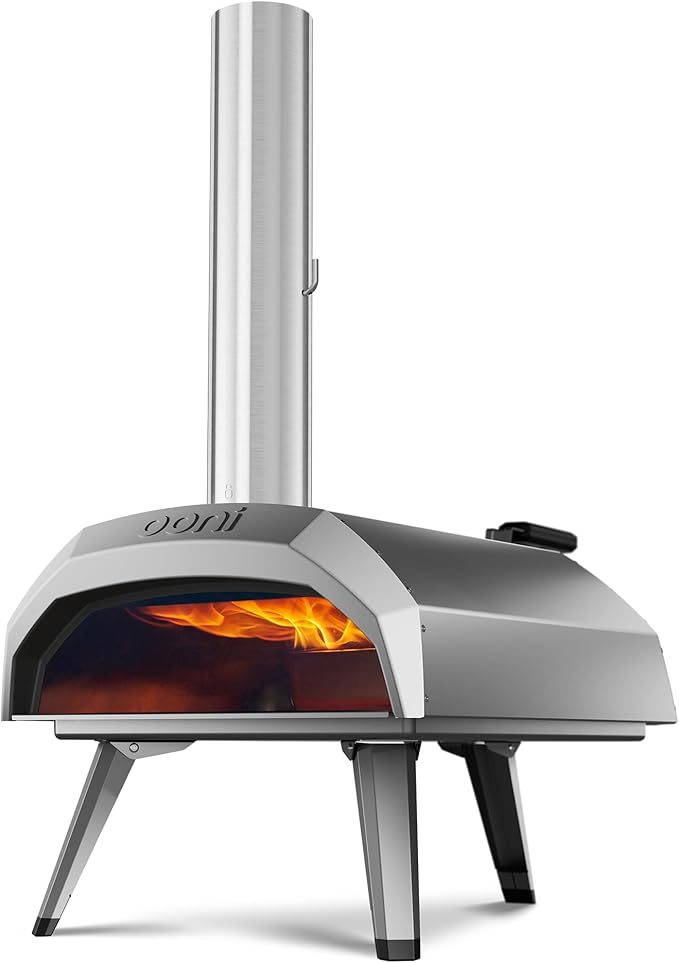
| Ooni Karu 12 | Wood/Charcoal/Gas | 950°F | 12" | Wood-fired flavor purists |
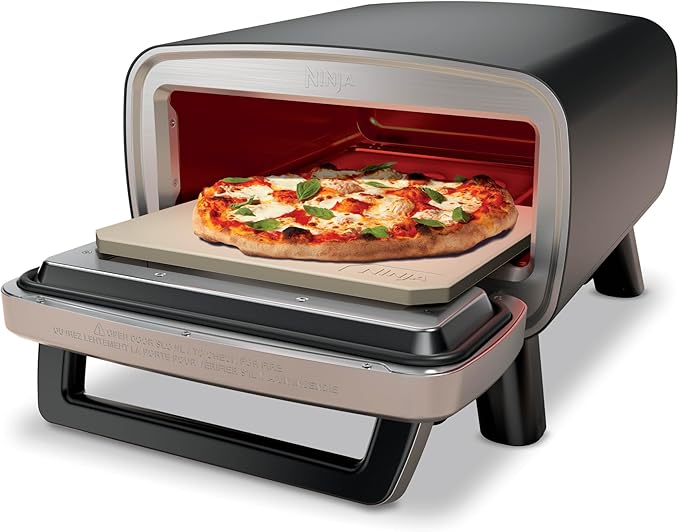
| Ninja Artisan Electric | 120V Electric | 700°F | 12" | Apartment/covered patio use |
| Stoke 16-Inch | Propane | 950°F | 16" | Budget 16" replacement |
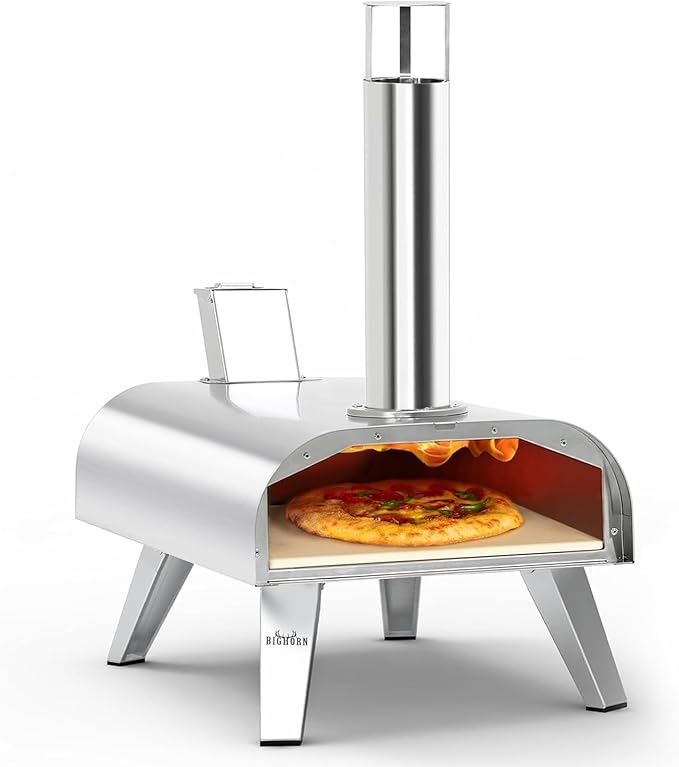
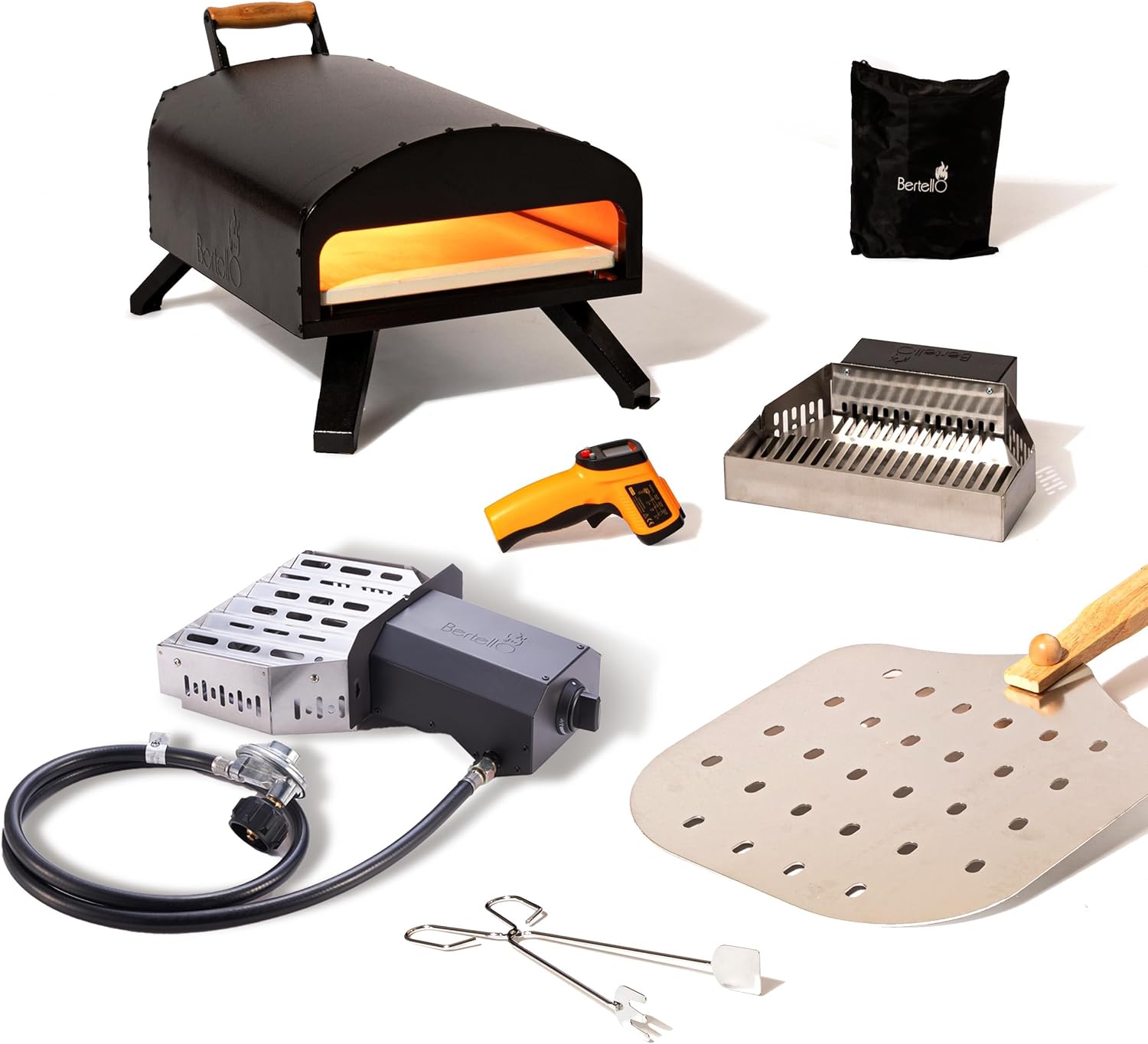
| BIG HORN 12-inch | Multi-fuel | 1110°F | 12" | Hottest option, lowest price |
Ooni Koda 2 — Closest Spiritual Successor
If you loved the Koda 16's gas-only simplicity and just want the same experience without rebuilding a dead unit, the Koda 2 is the closest match. It's 14 inches instead of 16, but Ooni redesigned the burner manifold for better edge-to-edge heat and added a digital thermometer in the stone — the single feature Koda 16 owners complained about most. Honest tradeoff: you give up two inches of pie diameter for a much better-built oven that's far less likely to be in your situation five winters from now. Check the Ooni Koda 2 on Amazon.
Stoke 16-Inch — Budget 16-Inch Alternative
The only mainstream 16-inch gas oven priced significantly below the Koda 16, the Stoke runs about 40% less and hits the same 950°F ceiling. Build quality is a clear step down — thinner gauge steel, a less refined burner — but if you want to keep making 16-inch pies and the Koda's premium price is what got you into the no-cover situation in the first place, the Stoke removes that financial pressure. Check the Stoke 16-Inch on Amazon.
Ooni Karu 12 — For Wood-Fired Authenticity
If a winter of neglect has you reconsidering whether you want another gas-only oven, the Karu 12 is the multi-fuel pivot. Same Ooni build quality, but it burns wood, charcoal, or gas (with the optional burner). Lots of Koda 16 owners who switch to Karu say they get more out of the smaller surface because the wood flavor is the whole point. Check the Ooni Karu 12 on Amazon.
Ninja Artisan Electric — For the Covered-Patio Crowd
If the lesson from this whole experience is "I will never store an oven outside again," the Ninja Artisan is the answer. Electric, indoor-rated, plugs into a standard outlet, and reaches 700°F in under 20 minutes. It cooks a 12-inch Neapolitan in three minutes, and because it lives inside, rust is permanently off your radar. Check the Ninja Artisan on Amazon.
BIG HORN 12-inch — Highest Max Temperature
At a fraction of the Koda's price, the BIG HORN hits 1110°F — a genuine 60°F above what the Koda 16 ever did. The catch is build quality and customer support that don't compare. If you've already lost an oven to rust, going cheap-and-replaceable is a defensible strategy. Check the BIG HORN on Amazon.
Preventing the Same Problem Next Winter
The Koda 16's outer shell is powder-coated carbon steel, not stainless. Ooni's own care guide says the oven must be covered or stored indoors when not in use — there is no version of "weather-resistant" that survives a Northeast winter uncovered. A $40 fitted cover is non-negotiable, and even with a cover, indoor or garage storage from November through March will extend the life of the oven by years. For a deeper dive on protecting your investment, see our complete pizza oven winter storage guide.
Frequently Asked Questions
Can I use WD-40 to remove rust from my Ooni Koda 16?
No. WD-40 is a penetrating oil with petroleum solvents that can leave residue inside the cooking chamber. When heated, that residue produces fumes and flavors that taint your pizza for several cooks. Use food-grade rust converters (phosphoric acid based) and high-smoke-point seasoning oils only. WD-40 Specialist Rust Remover Soak is acceptable for soaking removed legs and hardware, but never spray it inside the oven body.
Will the cordierite pizza stone survive a winter of moisture?
Usually yes, but only if you let it dry slowly. A wet cordierite stone fired aggressively will spall or crack because trapped moisture flashes to steam. Bring the stone indoors and let it air-dry at room temperature for at least seven days, then do a slow first burn — 20 minutes at 300°F, 20 minutes at 500°F, then full heat. If you see hairline cracks afterward, the stone still works fine; replace it only if it breaks into pieces.
Is the Ooni Koda 16 warranty valid for winter rust damage?
No. Ooni's five-year warranty explicitly excludes damage from improper storage, including failure to use a cover, exposure to standing water, and outdoor storage in freeze-thaw conditions. Even within the warranty period, a rust claim from an uncovered winter will be denied. The warranty does cover manufacturing defects in the burner and ignition system regardless of cosmetic condition, so if your burner failed for non-rust reasons, contact Ooni before assuming you're out of luck.
How do I tell if my Ooni Koda 16 burner is safe to use after rust restoration?
After restoration, do a soap-bubble leak test on every gas fitting with the propane on but the burner unlit. Any bubbles mean a leak — shut off the tank and replace the failing component. Then light the burner and check the flame color: a healthy Koda 16 burns with a tight, blue flame across the entire H-pattern. Yellow tips, sputtering, or uneven flame distribution mean partially blocked jets and the burner needs professional service or replacement.
What's the difference between rust on the Koda 16 and the Koda 2?
The Koda 2, released in 2024, uses a heavier-gauge stainless steel for the interior chamber and an improved powder coat formulation on the outer shell. In our experience, the Koda 2 shrugs off the same exposure that destroys a Koda 16. If you're replacing a rusted-out Koda 16, the Koda 2 is genuinely a better oven for outdoor-stored applications, though both still require a cover.
Should I sandblast the rust off my Koda 16?
Only if you have access to a soda-blast or walnut-shell media setup. Aluminum oxide or silica sand will gouge the thin steel and destroy the surface for future powder coating. Most home restorers get better results from chemical rust converters and hand abrasion than from any blasting technique, and the time investment is comparable.
How long does a restored Ooni Koda 16 typically last?
A properly restored Koda 16 that's then stored covered and indoors during winter can run another four to six years of regular use. The main wear item after restoration is the burner tube — even with no rust, propane burners on outdoor ovens have a service life of around 800 cook hours. Plan on a $90 burner replacement somewhere in years three to five, and the rest of the oven will outlive most of your other backyard equipment.
Key Takeaways
- Choosing the right restore rusted Ooni Koda 16 means matching capacity and output ports to your actual devices
- Always check actual watt-hours (Wh), not just watts — runtime depends on Wh, not peak output
- Also covers: Ooni Koda 16 rust removal
- Also covers: fix rusty pizza oven Koda 16
- Also covers: winter rust Ooni repair
- Compare price-per-Wh across models to find the best value for your budget