Making tavern style pizza in Ooni Koda 16 means doing almost everything backwards from a Neapolitan bake. You want a cold-proofed, low-hydration (55-58%) dough rolled paper-thin on a screen, baked at a calm 650-700°F instead of the Koda 16's screaming 900°F+, and pulled when the bottom is the color of toasted almond. The cheese should run edge to edge, and the finished pie gets cut into squares, not wedges. Drop the flame to medium-low, give the stone time to drift back down into the low 600s, and you can produce a glass-thin, crackery Chicago-bar-style crust on a 16-inch deck in under five minutes.
Why the Ooni Koda 16 Is Secretly Great at Tavern Style

- PREMIUM PORTABLE PIZZA OVEN - This portable pizza oven combines foldable feet with rugged stainless steel construction. Set it up quickly wherever you are. Ideal for backyard
- LIGHTNING‑FAST STONE BAKING - With a rolling flame and dense pizza stone, this pizza oven outdoor cooks a 12″ pie in just one minute. High‑powered gas burner delivers

- 5-IN-1 FUNCTIONALITY: The ultimate outdoor sidekick for all your backyard entertainment; pizza, bake, broil, warm & proof
- 3 MINUTE ARTISAN PIZZA: Restaurant quality 12" pizzas with even leoparding on crusts and gooey cheese ready in 3 minutes* with no turning necessary

- PLEASE NOTE: This model is suitable for PROPANE GAS ONLY and connects to a propane gas bottle with a 28 mBar regulator included in the box. Not compatible with natural gas
- Powerful. Portable. Pizza. - Make pizza anywhere - at just 35 lbs, the Koda 2 is compact and ultra-portable

- Premium Stainless Steel & High-Quality Pizza Stone: This gas & wood pizza oven is built with durable stainless steel. The premium pizza stone ensures a crispy crust, making it a
- Neapolitan-Style Pizza in Minutes: Heats up to 900°F (500°C) in just 18 minutes, cooking pizzas in only 2 minutes! This wood pizza oven and gas pizza oven also lets you cook
Top Picks
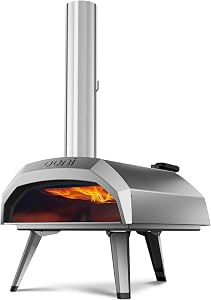
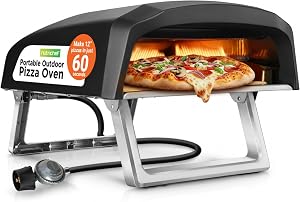
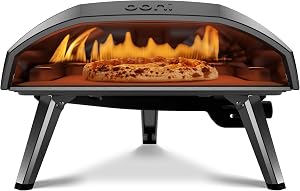
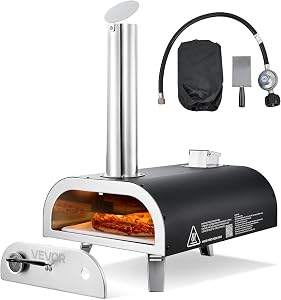
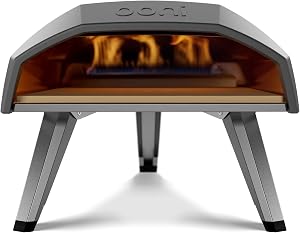
Comparison: Ovens for Low-Temperature Tavern Style
The Koda 16 is fantastic for this style once you learn the flame discipline, but it isn't the only path. If you're shopping for an oven specifically with tavern, Detroit, or bar pies in mind, the table below compares the Koda 16's stablemates and rivals at the lower end of the temperature curve where this style lives.
| Oven | Max Temp | Deck Size | Fuel | Tavern-Style Fit |
|---|---|---|---|---|
| Ooni Koda 16 (reference) | 950°F | 16" | Propane | Excellent once throttled |
| Ooni Koda 2 | 950°F | 14" | Propane | Excellent, easier to dial low |
| Ooni Karu 12 | 950°F | 12" | Wood/Gas | Good for personal bar pies |
| Stoke 16-Inch | 900°F | 16" | Propane | Good direct alternative |
| Ninja Artisan Electric | 700°F | 12" | Electric | Native tavern temperature |
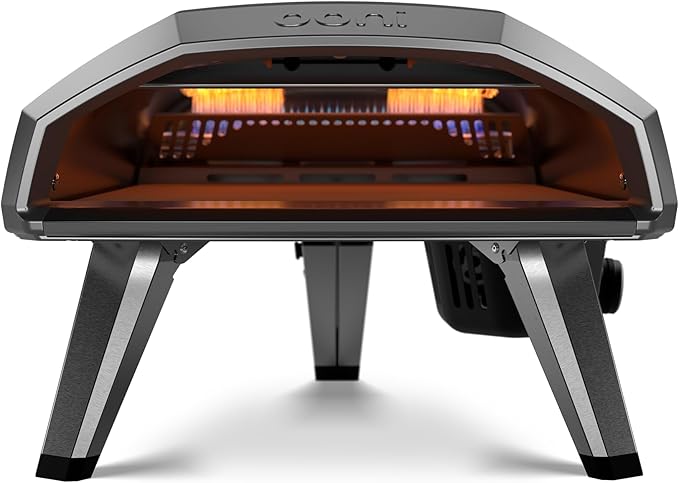
The Koda 16 was engineered for Neapolitan and New York pies that want 850-950°F, but the L-shaped burner running along the back and left side gives you more usable real estate than any other 16-inch home oven. A standard 14-inch tavern round, or even a rectangular party-cut bar pizza, fits comfortably on the cordierite stone without the dough lip touching the burner shroud. Once you learn to throttle the flame down — and crucially, to wait for the stone to cool — the Koda 16 behaves like a dedicated bar-pizza deck oven.
Tavern style (sometimes called Chicago thin, bar pie, or party-cut) is defined by three things: a cracker-thin crust with virtually no rise, full edge-to-edge cheese with no "crown," and a square-cut presentation. Hydration sits in the high 50s, oil is added to the dough for tenderness, and the pies are typically rolled with a pin rather than hand-stretched. None of this is what the Koda 16 was sold to do, which is exactly why so few owners realize the oven can do it brilliantly.
The Dough: Low Hydration, High Patience
A working tavern dough for the Koda 16 is 100% bread flour or 50/50 bread and all-purpose, 56% water, 2% salt, 2% sugar, 3% neutral oil (corn or soybean is traditional), and 0.2% instant dry yeast. Mix to a shaggy ball, knead three minutes, bulk for 30 minutes at room temp, then ball into 240-gram portions and refrigerate for a minimum of 48 hours. Three to five days is better. The long cold proof develops flavor without producing the airy cell structure that would otherwise puff up on you.
Roll the cold ball directly out of the fridge with a heavy pin to roughly 14 inches and about 2mm thick. Dock aggressively with a fork or roller — every square inch — to keep the crust from bubbling. Transfer to a perforated aluminum screen dusted with semolina. The screen is non-negotiable for a Koda 16 bake; sliding raw tavern dough directly onto a 650°F stone will scorch the bottom before the cheese melts.
Dialing In the Koda 16 for a 650°F Bake
Preheat the Koda 16 on high for 15 minutes with the stone reading roughly 850°F on an infrared thermometer. Then turn the flame to its lowest setting and wait. This is where most cooks fail: they launch immediately and torch the bottom. Give the stone 8-10 minutes with the burner barely lit, watching the IR reading fall through 800, 750, and finally settling in the 650-680°F range. The dome temperature will sit roughly 100°F higher, which is exactly what you want for top color.
Launch the screened pie onto the stone. At 90 seconds, give it a quarter turn. At three minutes, slide the pie off the screen directly onto the stone for the last 60-90 seconds to crisp the bottom. Total bake time is roughly 4-5 minutes versus the 60-90 seconds you'd run for a Neapolitan. If you see the cheese browning before the bottom is set, raise the pie up onto the screen again to finish.
Sauce, Cheese, and the Edge-to-Edge Rule
Tavern sauce is uncooked: a can of good crushed tomatoes, salt, a pinch of sugar, dried oregano, a clove of grated garlic, and a glug of olive oil. That's it. Spread it in a thin, even film all the way to within a half-inch of the edge. Cheese is whole-milk low-moisture mozzarella, shredded by hand from a block — never pre-shredded, which contains anti-caking starch that scorches at Koda 16 temperatures. Cover the entire surface to the very edge of the dough. The cheese itself forms the crown.
For toppings, less is more. Fennel sausage broken into dime-sized pieces, thin-sliced pepperoni cups, or a handful of pickled giardiniera are all traditional. Heavy or wet toppings will steam the crust soggy in a Koda 16 bake. If you're new to working low and slow in this oven, see our complete low-temperature playbook for additional bakes including Detroit and Roman al taglio.
Recommended Ovens for Tavern Style in 2026
Ooni Koda 2 — The Easier Koda for Bar Pies
If you don't already own the Koda 16 and tavern style is your main goal, the newer 14-inch Ooni Koda 2 is actually easier to manage at low temperatures because the burner footprint is more proportional to the stone. A 12-inch tavern round leaves comfortable margin on the deck, and the redesigned flame management makes it simpler to hold a steady 650°F. You give up the ability to bake a true 14-inch square-cut bar pie, but for most home cooks that's a fair trade. ooni.
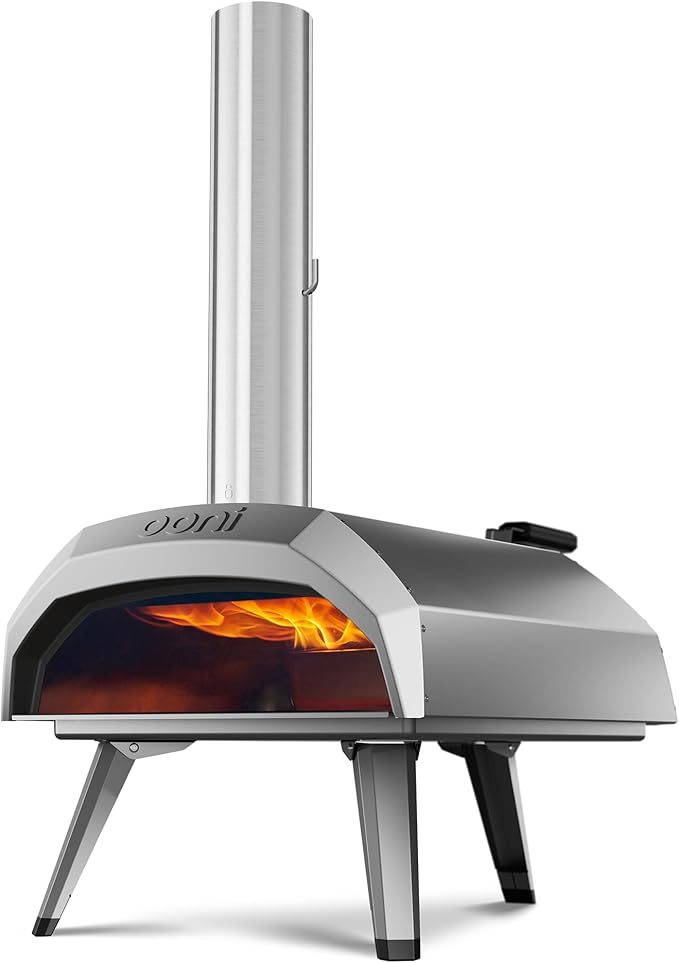
Ooni Karu 12 — Personal Tavern Pies with Wood Smoke
The Karu 12 is undersized for a real party-cut bar pie, but if you want individual 10-inch tavern pies with a hint of oak or cherry smoke, it's genuinely special. Run it on gas at low setting for the bake, then toss a single wood chunk into the firebox in the last 30 seconds to perfume the cheese. Multi-fuel flexibility makes it a true four-season oven. ooni.
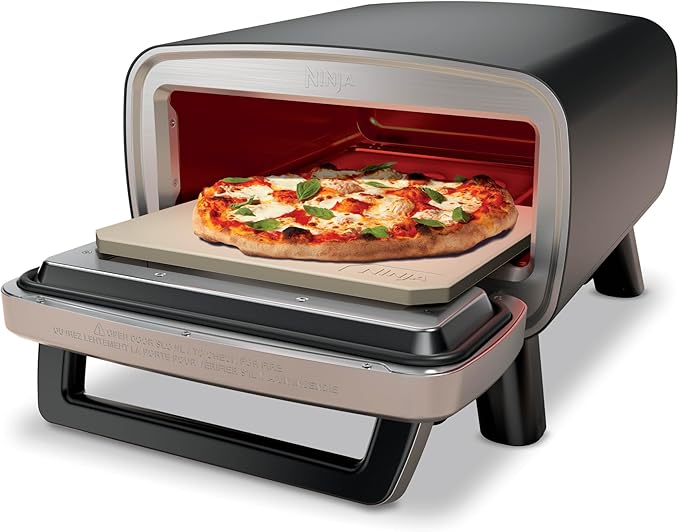
Ninja Artisan Electric — The Stealth Tavern Specialist
This is the counterintuitive pick: the Ninja Artisan tops out at 700°F, which is precisely the temperature tavern style wants. There's no flame throttling, no stone cooldown waiting period, no infrared thermometer dance. You set it and bake. For pure tavern, Detroit, or New York work it actually beats the Koda 16 on consistency, though it can't touch the Koda's Neapolitan ceiling. A strong second oven if you already own a Koda. Ninja.
Stoke 16-Inch — Budget 16" Alternative
The Stoke 16 mirrors the Koda 16's footprint at a lower price and is similarly capable of low-temperature work once you learn its quirks. Build quality is a half-step below Ooni and the stone is thinner, which actually helps for tavern bakes because it recovers temperature faster between pies. Worth considering if budget is the deciding factor. Stoke 16 Inch Outdoor Pizza Oven.
Tools That Make the Bake Easier
A 14-inch perforated aluminum pizza screen is the single most important accessory for tavern style in the Koda 16. A heavy rolling pin (not a tapered French pin) gets the dough thin enough. An infrared thermometer is essential for hitting that 650°F window — guessing by eye does not work in this oven. Finally, a rocker knife or wheel cutter for the square cut; tavern is always party-cut into roughly 2-inch squares, never sliced into wedges. For a deeper accessory rundown see our Koda 16 accessory guide for 2026.
Common Mistakes and How to Fix Them
If your crust is puffing up like a Neapolitan, you skipped the docking step or used a dough with too much yeast. If the bottom is black before the cheese melts, you launched too hot; the stone needs to drift down to 650°F before you slide the pie in. If the cheese is greasy and pooling, you used pre-shredded — switch to a block of whole-milk low-moisture mozzarella. If the crust is pale and tough, you didn't move the pie off the screen for the final crisp.
Curious how the Koda 16 stacks up against its main rival from Gozney for this niche? Our Koda 16 vs. Gozney Arc XL comparison dives deep into low-temperature behavior, deck recovery, and tavern-style fit.
Frequently Asked Questions
Can you really make tavern style pizza in Ooni Koda 16 without burning it?
Yes, but you have to throttle the flame to its lowest setting and let the stone cool from preheat temperature down to about 650°F before launching. Use a perforated screen for the first three minutes of the bake to protect the bottom, then slide directly onto the stone for the final crisp. The biggest mistake is launching immediately at full preheat.
What hydration should I use for thin crust tavern dough in the Koda 16?
Stick to 55-58% hydration for an authentic crackery texture. Higher hydration gives you a chewier, more bread-like crust that won't snap. Add 2-3% oil and 2% sugar to the dough — the sugar helps with browning at the lower 650°F bake temperature where Maillard reactions are slower.
Do I need a pizza screen for tavern style in the Ooni Koda 16?
Functionally yes. A 14-inch perforated aluminum screen lets you bake at a true low temperature without scorching the docked thin dough. Some experienced bakers can launch directly onto a cooled-down stone, but the screen makes the technique reliable and forgiving, especially when you're learning.
How long should I cold-proof tavern dough before baking?
Minimum 48 hours in the fridge; 72-120 hours is ideal. Long cold fermentation develops the flavor compounds that compensate for the short, hot bake time. Because hydration is low and yeast is dialed back to about 0.2%, you won't get an over-proofed dough even at five days.
Why is my tavern pizza puffing up like Neapolitan in the Koda 16?
You either skipped docking, used too much yeast, or rolled the dough too thick. Dock every square inch with a fork or docker roller before topping, keep yeast under 0.3% instant dry, and roll to a true 2mm. Cold dough straight from the fridge rolls thinner than rested dough.
What cheese melts best for bar-style pizza in the Ooni Koda 16?
Block whole-milk low-moisture mozzarella, hand-shredded the day of the bake. Pre-shredded bagged cheese contains potato starch and cellulose anti-caking agents that scorch and turn gritty at Koda 16 temperatures. Some old-school Chicago tavern shops add 15-20% white cheddar for sharpness.
Can I bake a 16-inch tavern pizza in the Koda 16?
Technically yes, but realistically you should top out at 14 inches. The L-shaped burner shroud eats into the usable deck area, and a true 16-inch round will catch the back-right corner. A 14-inch round cut into squares gives you the most consistent results without scorched edges.
Is the Koda 16 better than an electric oven for this style?
For pure tavern style, an electric oven that natively hits 700°F is more consistent because there's no waiting for the stone to cool. The Koda 16 wins on versatility — you can make Neapolitan, New York, and tavern in the same session if you're patient with temperature management. Most enthusiasts end up owning both.