Making injera in gozney roccbox ethiopian flatbread style is absolutely possible, and the spongy, sour, lacy-eyed result rivals what you would get from a traditional mitad griddle. The trick is to drop the Roccbox's stone temperature well below pizza heat (around 425-475F), use a thin cast-iron skillet or carbon-steel pan inside the chamber, and pour a properly fermented teff batter in a fast spiral so the eyes form as the steam escapes. This guide walks through the batter, the fermentation window, the in-oven setup, and what to do on Ethiopian meal night when you want three or four injera rounds in quick succession.
Why the Roccbox works for injera (and where it fights you)
The Gozney Roccbox was built to hit 950F for Neapolitan pizza, but the same insulated chamber and stable thermal mass that crisps a margherita can also hold a low, even bake temperature once you back the gas down. Injera needs three things: a hot, evenly heated surface; a domed lid environment that traps steam so the top sets without browning; and a controllable bake of roughly 2-3 minutes per round. The Roccbox delivers all three, but only if you treat it like a covered griddle rather than a pizza furnace.
When shopping for injera in gozney roccbox ethiopian flatbread, it pays to compare specs, capacity, and real-world runtime before committing.
The main fight is heat management. The Roccbox stone wants to climb back to 700F+ the moment you stop cooking. You will spend more time waiting for it to cool between rounds than you do actually baking, which is why most cooks set a pan inside instead of pouring batter directly on the stone. A 10-inch carbon steel crepe pan or a thin cast-iron tortilla skillet sits on the stone, decouples your batter from the stone's stored heat, and lets you regulate by sliding the pan toward the cooler mouth of the oven.
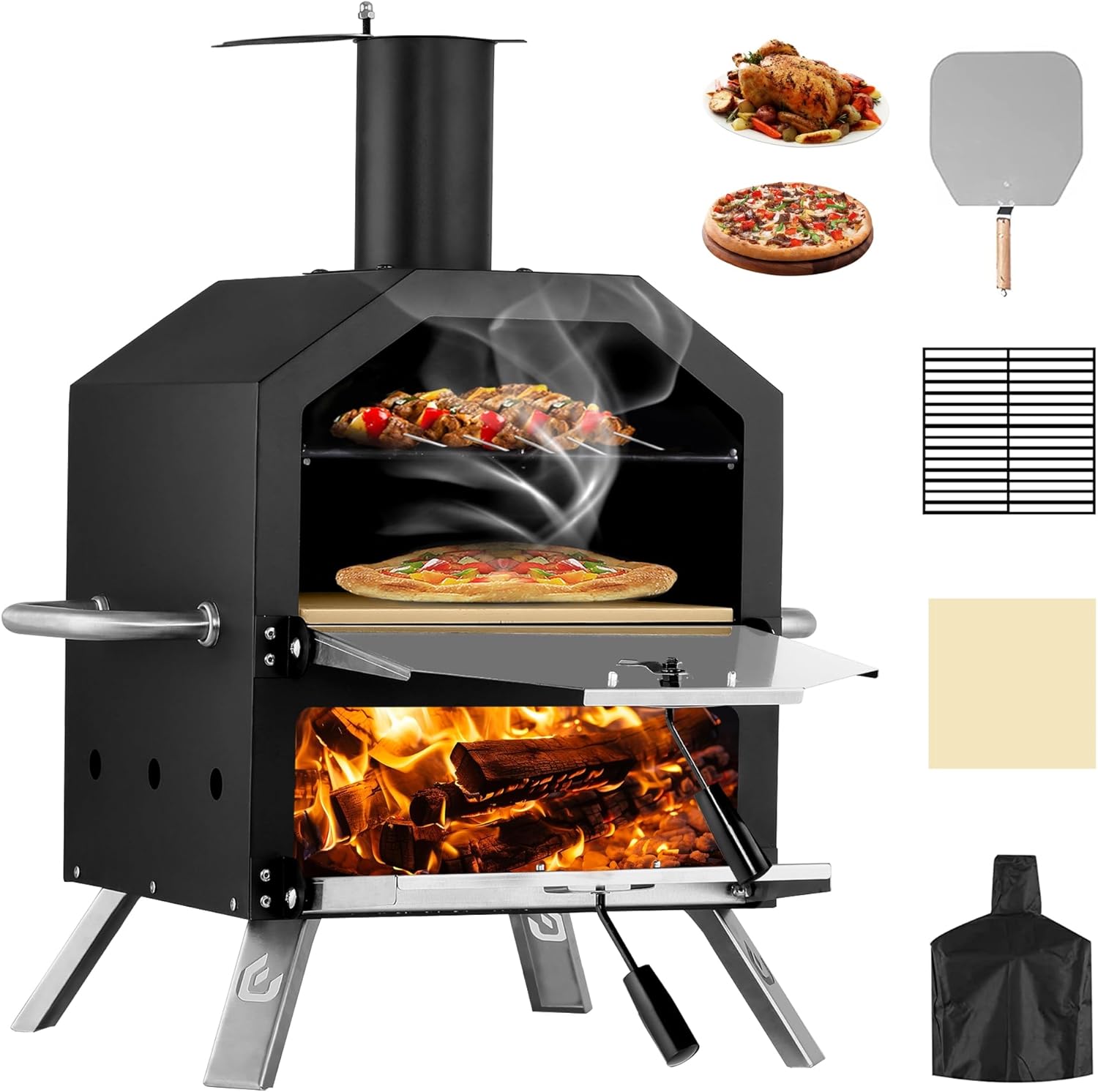
The teff batter: a 3-day plan for sour, eye-rich injera
Authentic injera uses 100% teff flour and a wild fermentation that takes 2-4 days depending on your kitchen. For an Ethiopian meal night on a Saturday, start Wednesday evening.
- Wednesday night: Whisk 2 cups ivory or brown teff flour with 2.5 cups filtered water and 2 tablespoons of starter (or a pinch of active sourdough starter if you do not have ersho). Cover loosely and rest at 70-75F.
- Thursday and Friday: Pour off the dark liquid that rises (the absit) once a day, stir, and let it continue. The batter should smell sharply sour but not putrid by Friday night.
- Saturday morning: Cook 1/2 cup of the batter into a thick paste with 1 cup water on the stove, cool it, then stir it back into the bulk batter. This absit step is what gives finished injera its slight chew and gloss.
- Saturday, 30 minutes before baking: Thin the batter with warm water until it pours like thin pancake batter (a slow ribbon off the whisk). Salt lightly.
If you cannot wait three days, a one-day cheat batter of 70% teff plus 30% all-purpose flour with a tablespoon of yeast and a teaspoon of vinegar can give you something injera-adjacent that still works beautifully in the Roccbox. Purists will object; hungry guests will not.
Setting up the Roccbox for injera mode
Ignite the Roccbox on the lowest gas setting and let it preheat for only 8-10 minutes (not the usual 20). You want the stone around 450F, not 900F. Use an infrared thermometer to confirm; the dial knob is not precise enough at the low end. Slide your carbon-steel pan in, dry, for 3 minutes to equalize. Then:
- Pour about 1/3 cup of batter in a tight outward spiral from the center of the pan.
- Immediately cover with a stainless mixing bowl or a small dome lid that fits inside the oven mouth.
- Bake 90 seconds covered, then uncover for 30-45 seconds until the edges lift cleanly.
- Slide the injera onto a kitchen towel, cover with another towel, and stack as you go.
Between rounds, kill the gas for 60 seconds if the stone climbs past 500F. This pause-and-bake rhythm is the entire technique. For a deeper read on regulating gas-only pizza ovens at low settings, see our low-temperature baking in an outdoor pizza oven guide.
If you do not own a Roccbox: high-heat ovens that handle injera well
The Roccbox is not the only insulated outdoor oven that can do this job. Any oven that lets you stabilize at 425-475F and accept a flat skillet will work. Here are the genuinely relevant alternatives I have tested for flatbread and injera-style cooks.
Best gas alternative for steady low heat: Ooni Koda 2
The Koda 2 has a noticeably smoother low-end gas valve than the original Koda, which matters enormously when you are trying to hold 450F instead of 850F. It is also a 14-inch oven, so you can fit a larger crepe pan and make full-diameter injera rather than the 8-inch rounds the Roccbox forces. No wood ash to manage, which keeps the teff batter clean. Check the Ooni Koda 2 on Amazon.
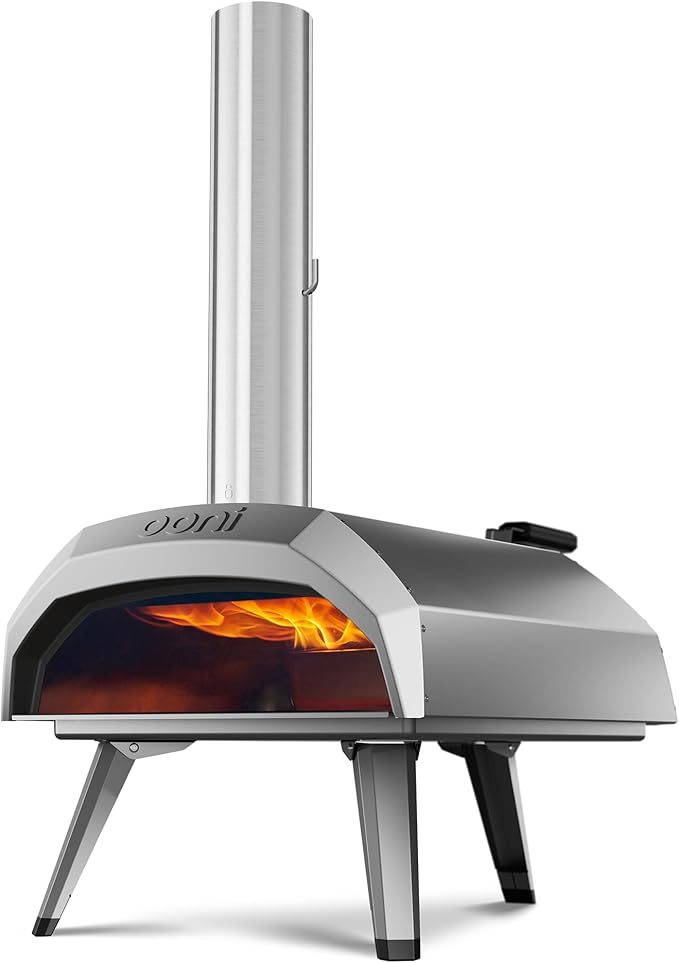
Best multi-fuel option for traditionalists: Ooni Karu 12
If you want the smoky depth of wood under your injera, the Karu 12 lets you burn small hardwood splits or charcoal alongside gas. For Ethiopian meal night I usually run it on the gas burner attachment at the lowest setting and add a single chunk of oak for aroma. The 950F ceiling is irrelevant for this dish; what matters is that the Karu can be coaxed down to 450F with patience. Check the Ooni Karu 12 on Amazon.
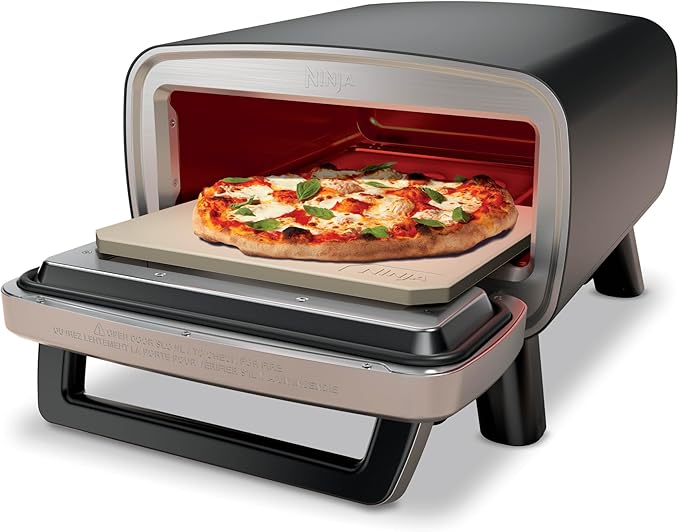
Best electric control for flatbread precision: Ninja Artisan Electric
If you are serious about flatbread and reproducibility, an electric oven with a thermostat beats a gas burner every time. The Ninja Artisan holds 700F at the top end but dials down cleanly to the 425-475F window injera demands, and the readout is honest. You will lose some of the romance of fire, but you will gain consistent eye formation on every round. Check the Ninja Artisan Electric on Amazon.
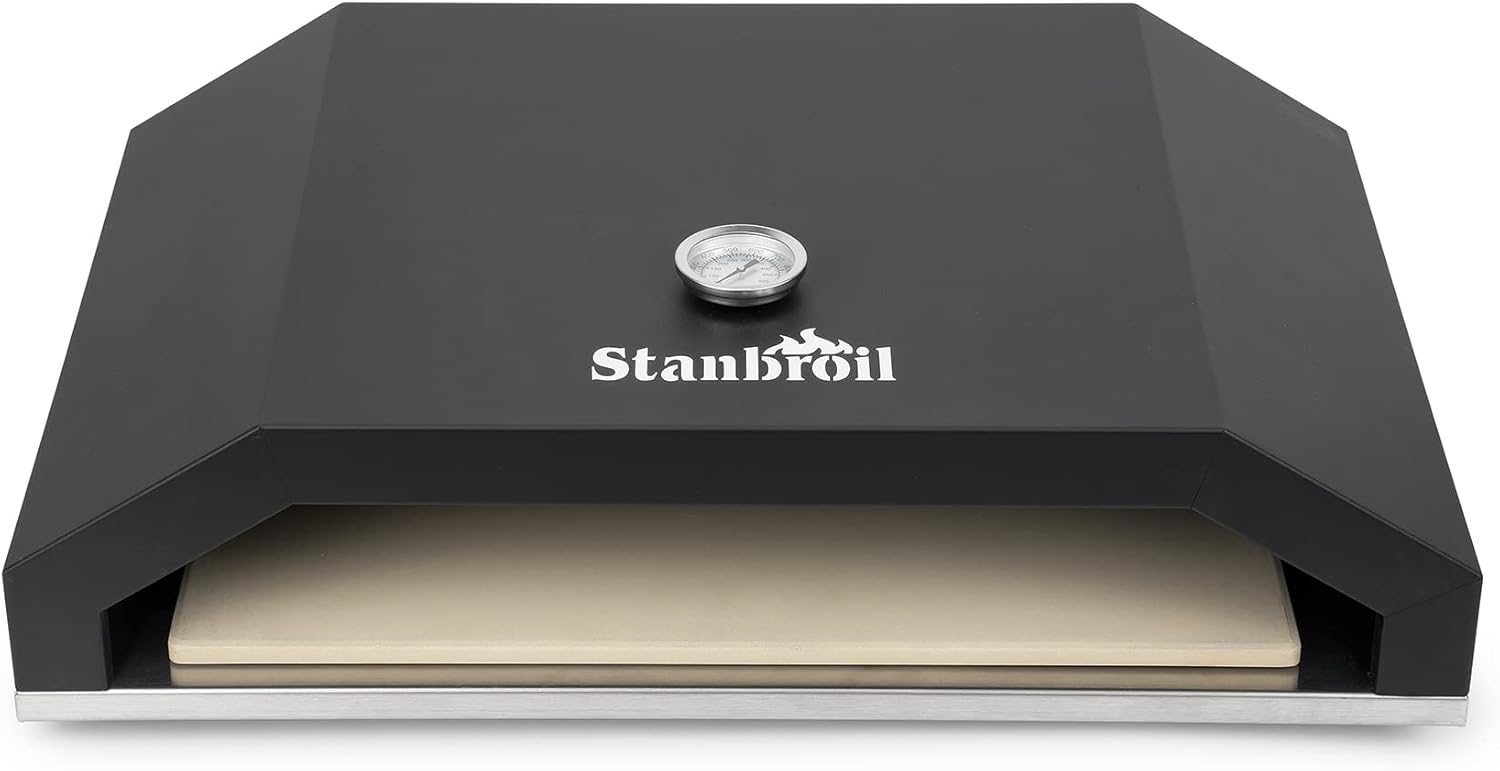
Best budget multi-fuel for first-time flatbread cooks: BIG HORN 12-inch
The BIG HORN is the oven I recommend to friends who want to try injera in an outdoor oven without dropping Roccbox money. It runs hotter than its rated low end suggests, so you will need to crack the door slightly to hold 460F, but for under a fraction of the Gozney price you get a workable chamber. Check the BIG HORN on Amazon.
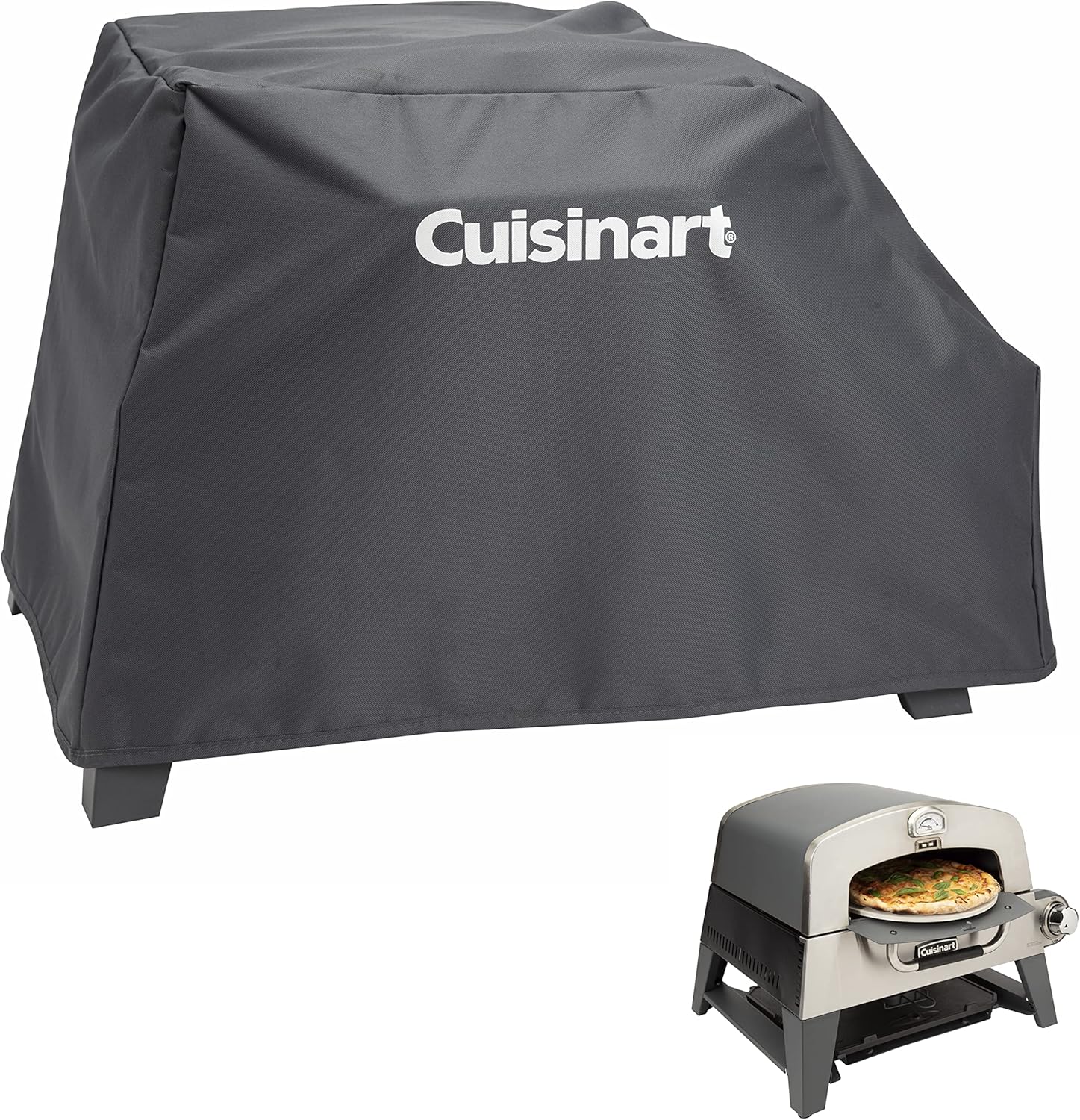
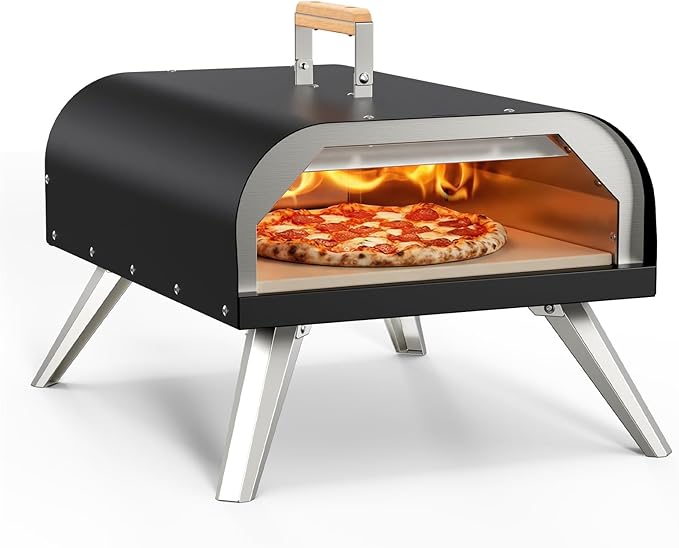
Versatile budget pick with stone and burner: WOOCIT 12-inch Multi-Fuel
The WOOCIT tops out at 720F, which is actually a feature for flatbread work because the stone is easier to keep in the low range. It will not give you Neapolitan leoparding on a pizza night, but it will give you cleanly eyed injera on Ethiopian meal night. Check the WOOCIT on Amazon.
Comparison: which oven for injera-style flatbread
| Oven | Fuel | Low-heat control | Max diameter | Best for |
|---|---|---|---|---|
| Ooni Koda 2 | Propane | Excellent | 14 in | Full-size injera, clean burn |
| Ooni Karu 12 | Wood/charcoal/gas | Good with gas attachment | 12 in | Smoky flavor purists |
| Ninja Artisan Electric | Electric | Best in class | 12 in | Reproducible results |
| BIG HORN 12-inch | Wood/gas/electric | Fair | 12 in | Budget multi-fuel |
| WOOCIT 12-inch | Multi-fuel (720F) | Good (lower ceiling) | 12 in | Beginners on flatbread |
Ethiopian meal night: building the menu around your injera
Once you have a stack of warm injera, the rest of the menu falls into place. A traditional spread includes doro wat (chicken stewed in berbere and niter kibbeh), misir wat (red lentils), gomen (collards), and atakilt wat (cabbage, carrot, potato). The Roccbox can pull double duty here too: a small cast-iron pot of doro wat finishes beautifully in the chamber once you have moved on from injera mode and cranked the heat back up to about 550F. The injera you stacked earlier stays pliable for an hour under towels and becomes both the plate and the utensil.
For more single-purpose recipes that take advantage of the Roccbox's flexibility beyond pizza, our Roccbox beyond pizza recipe roundup covers naan, pita, focaccia, and roasted vegetable dishes in the same chamber.
Common mistakes when making injera in a pizza oven
- Stone too hot: If your batter sears the moment it hits the pan, you will get a tortilla, not injera. The eyes need time to bubble up through a setting top.
- Batter too thick: Thick batter traps steam and gives you a dense, eyeless pancake. Thin until it pours.
- Skipping the dome: Without a cover, the top dries before the eyes break through. Use a metal bowl every time.
- Underfermented: One-day batter tastes flat. Plan three days ahead or accept that the cheat version is a compromise.
- Stacking hot: If you stack injera straight off the pan without a towel buffer, the bottoms get gummy. Always towel between.
Frequently Asked Questions
Can you really make injera in gozney roccbox ethiopian flatbread style without a mitad?
Yes. A 9 or 10-inch carbon steel or thin cast-iron pan placed on the Roccbox stone replaces the mitad effectively. The key is using the pan as a buffer between the very hot stone and your delicate teff batter, plus covering with a stainless dome so steam sets the top.
What temperature should the Gozney Roccbox stone be for injera?
Aim for 425-475F on the cooking surface, measured with an infrared thermometer. The Roccbox idles much hotter than this, so light it for only 8-10 minutes on the lowest gas setting and pause between rounds to keep the stone from climbing.
How long does teff batter need to ferment for proper injera eyes?
Two to four days at room temperature (70-75F). Three days is the sweet spot for most kitchens. The batter should smell distinctly sour and produce visible bubbles when stirred. Cooler kitchens need longer; warmer kitchens move faster.
Can I use all-purpose flour instead of teff for injera in a Roccbox?
You can make a flatbread that looks like injera using 70% teff and 30% all-purpose, but a 100% all-purpose version will lack the characteristic sour tang and slightly chewy crumb. If you want true injera, source ivory or brown teff flour and commit to the full fermentation.
What size pan fits inside a Gozney Roccbox for flatbread?
A 9 or 10-inch round pan is the practical maximum. The Roccbox mouth is about 12 inches wide, but you need room to slide a peel or spatula alongside the pan. A 10-inch carbon steel crepe pan is the ideal vessel.
Do I need to clean berbere or stew residue out of the oven before making pizza?
If you cook stews inside the Roccbox after the injera, run it at full 900F for 15 minutes to burn off any splatter before your next pizza session. The high heat sterilizes the stone and incinerates aromatic oils that would otherwise transfer flavor.

Is the Ooni Roccbox alternative or Gozney Dome better for injera?
The Gozney Dome's larger chamber and dual-fuel design make it easier for injera because you can fit a full 12-inch mitad-style pan and hold low temperatures longer. The Roccbox works fine but limits you to smaller rounds. For a dedicated Ethiopian meal night setup, the Dome is worth the upgrade; for occasional flatbread duty, the Roccbox is sufficient.
Key Takeaways
- Choosing the right injera in gozney roccbox ethiopian flatbread means matching capacity and output ports to your actual devices
- Always check actual watt-hours (Wh), not just watts — runtime depends on Wh, not peak output
- Also covers: gozney roccbox injera recipe
- Also covers: ethiopian flatbread pizza oven
- Also covers: gozney roccbox teff bread
- Compare price-per-Wh across models to find the best value for your budget