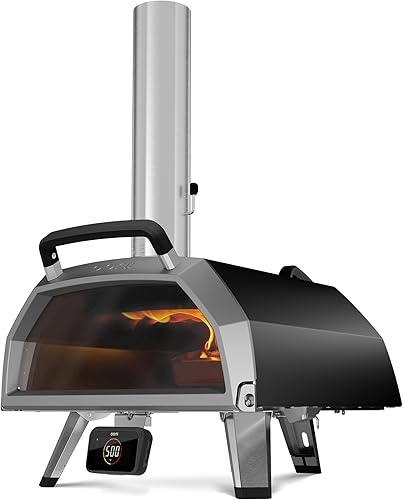
Learning how to convert Ooni Karu 16 wood to gas is straightforward when you use the official Ooni Gas Burner attachment, sold separately from the oven itself. The conversion takes about 60 seconds of actual handling: remove the wood-fired chimney and fuel tray, slide the gas burner into the rear opening, connect a CSA- or UL-approved regulator and propane hose, leak-test every joint with soapy water, then ignite. You are cooking 16-inch Neapolitan pies on demand without sourcing kiln-dried hardwood. This 2026 guide walks through every safety check, the exact parts you need, what to do when the burner will not light on a cold morning, and when buying a dedicated gas oven makes more sense than converting.
What You Need Before You Start the Conversion
Top Picks
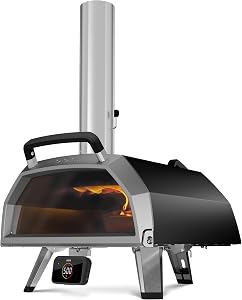
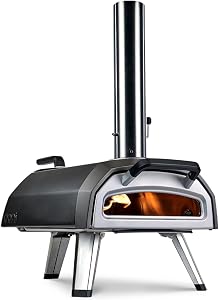
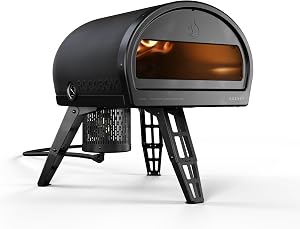
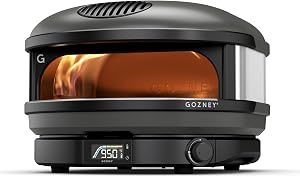
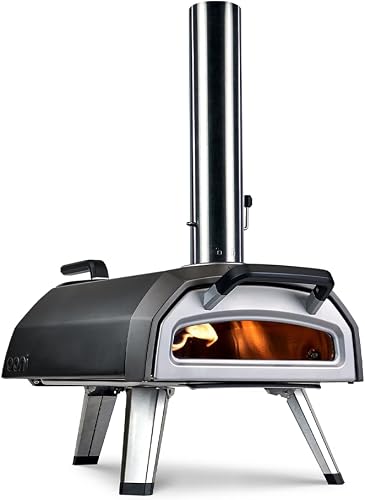
The Karu 16 ships wood- and charcoal-ready out of the box. To run propane you must buy the Ooni Karu 16 Gas Burner accessory (model UU-P0AD00), which is the only burner Ooni warrants for this oven. Third-party burners exist on marketplaces but voiding the warranty is the least of your worries; mismatched orifice sizing on a 16-inch chamber can produce dangerous flame rollout from the front opening.
When shopping for how to convert ooni karu 16 wood to gas, it pays to compare specs, capacity, and real-world runtime before committing.
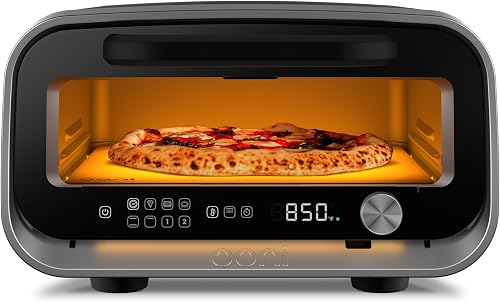
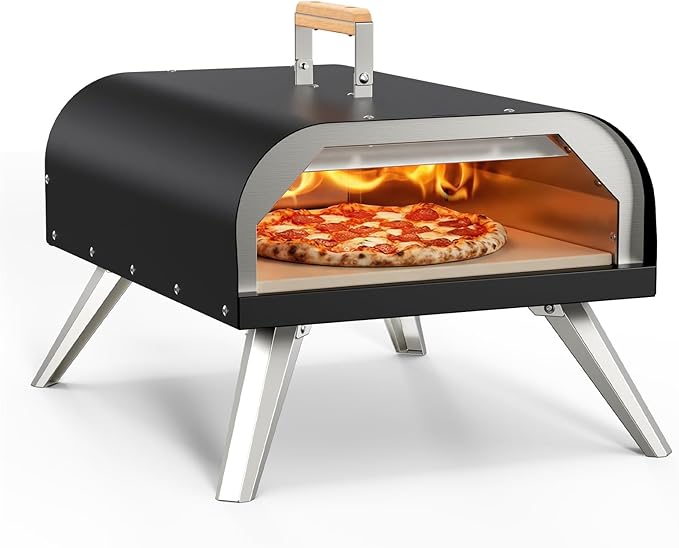
Alongside the burner, gather a 20 lb propane tank with a current OPD valve, a region-appropriate regulator (the burner ships with one rated for your market — do not swap it for a high-pressure adjustable unit), a small spray bottle of 50/50 dish soap and water for leak testing, and a long-reach butane lighter as a backup ignition source. A digital infrared thermometer is optional but strongly recommended for verifying stone temperature before launching dough.
Step-by-Step: Converting the Karu 16 from Wood to Gas
Before touching anything, confirm the oven is fully cold. The cordierite stone retains heat for hours after a wood firing, and the steel chamber can stay above 200°F long after the flame is out.
1. Remove the wood-burning hardware. Lift off the chimney by gripping the base and pulling straight up. Slide out the wood and charcoal tray from the rear, then take out the ash catcher underneath. Brush ash and debris from the rear opening — even a small amount of fly ash can clog the gas burner's air-shutter holes.
2. Inspect the rear gasket. The Karu 16 uses a high-temperature seal where the burner mates to the chamber. If the gasket is torn, missing, or compressed, replace it before installation. A poor seal lets exhaust gas escape rearward instead of drawing properly through the chimney, which can extinguish the flame mid-cook.
3. Install the gas burner. Align the burner's flange with the four mounting bosses on the rear of the oven and slide it home until it stops. The Karu 16 burner is keyed — it only fits one way. Snug the captive thumbscrews finger-tight; no tools required.
4. Connect the regulator and hose. Thread the regulator onto the propane tank's POL or QCC1 fitting and tighten by hand only. Hand-tight is the manufacturer specification; pliers will deform the soft brass and cause leaks. Connect the hose to the burner inlet using the supplied flare fitting.
5. Leak-test every joint. Open the tank valve one full turn. Spray soapy water on the tank-to-regulator joint, the regulator-to-hose joint, and the hose-to-burner joint. Any growing bubbles mean stop, close the tank, and re-seat. Do not skip this step — propane is heavier than air and pools invisibly under the oven.
6. Ignite. With the burner control off, open the tank fully. Turn the burner knob to the ignition position and press the piezo button. If the flame does not catch in three tries, close the gas, wait five minutes for vapor to clear, and try again with the butane lighter held just inside the burner port.
Safety Checks That Are Not Optional
Outdoor use only — every Ooni manual repeats this and it is not boilerplate. Propane combustion produces carbon monoxide; running a Karu 16 under a covered patio with low overhead clearance has caused documented CO poisoning incidents. Minimum clearances are 39 inches above, 39 inches to combustible walls, and a fully non-combustible surface beneath. A wooden deck with the legs resting on a pizza stone or sheet pan is not adequate.
Inspect the propane hose every six months for cracks, abrasion, and rodent damage. Replace any hose older than five years regardless of appearance. Always close the tank valve before disconnecting, and store the tank upright and outdoors. Never store propane in a garage attached to living space.
Comparison: Conversion vs. Buying a Dedicated Gas Oven
If you bought the Karu 16 specifically for its wood-fired character and only occasionally want gas convenience, conversion makes sense. If you have realized you will run gas 95% of the time, a purpose-built propane oven often delivers a more even flame pattern and lower starting cost than Karu 16 plus the burner accessory.
| Oven | Fuel | Cooking Size | Max Temp | Best For |
|---|---|---|---|---|
| Ooni Karu 16 + Gas Burner | Wood, charcoal, propane | 16" | 950°F+ | Anyone who wants both fuels in one oven |
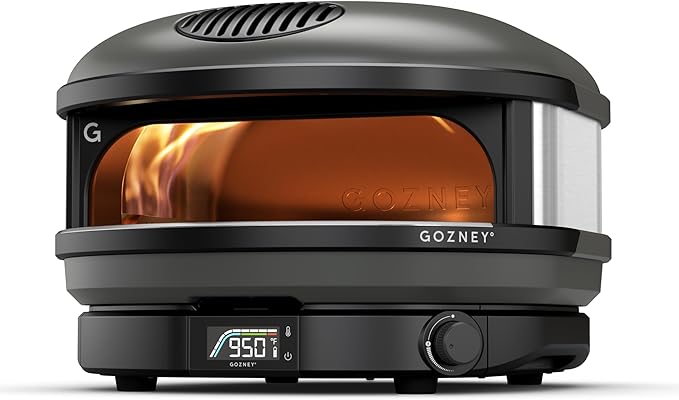
| Ooni Koda 2 (14") | Propane only | 14" | 950°F | Gas-only cooks who want Ooni quality |
| Ooni Karu 12 | Wood, charcoal, propane (with separate burner) | 12" | 950°F | Smaller patios, solo cooks |
| BIG HORN 12" | Wood, gas, electric | 12" | 1110°F | Budget multi-fuel experimenters |
| WOOCIT 12" | Multi-fuel | 12" | 720°F | Lower-heat, beginner-friendly cooks |
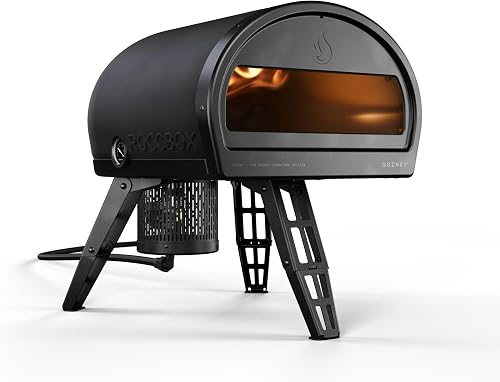
Ooni Koda 2 — Best Pure-Gas Alternative
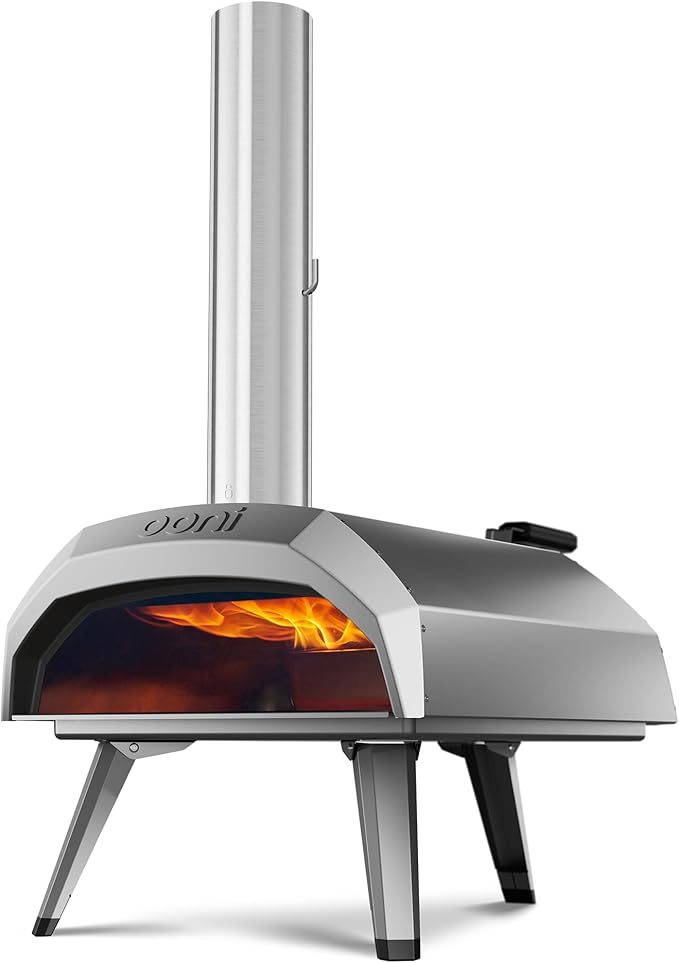
If you realize partway through that you wanted gas all along, the Koda 2 skips the conversion conversation entirely. It is a 14-inch dedicated propane oven with the same L-shaped burner geometry Ooni refined on the Karu line, but tuned specifically for gas combustion. Single-knob control, instant startup, and no chimney to remove. ooni.
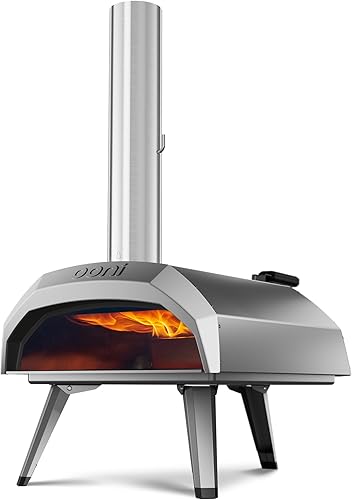
Ooni Karu 12 — Smaller Sibling, Same Conversion Logic
The Karu 12 uses the same convert-with-an-accessory model as the Karu 16, just at a smaller scale and lower price point. If you are weighing the Karu 16 conversion cost against starting fresh, the Karu 12 multi-fuel package is the cheapest way into the Ooni multi-fuel ecosystem. ooni.
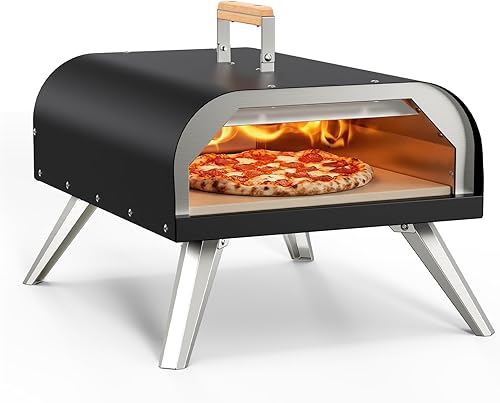
BIG HORN 12-Inch Multi-Fuel — Budget Triple-Fuel Option
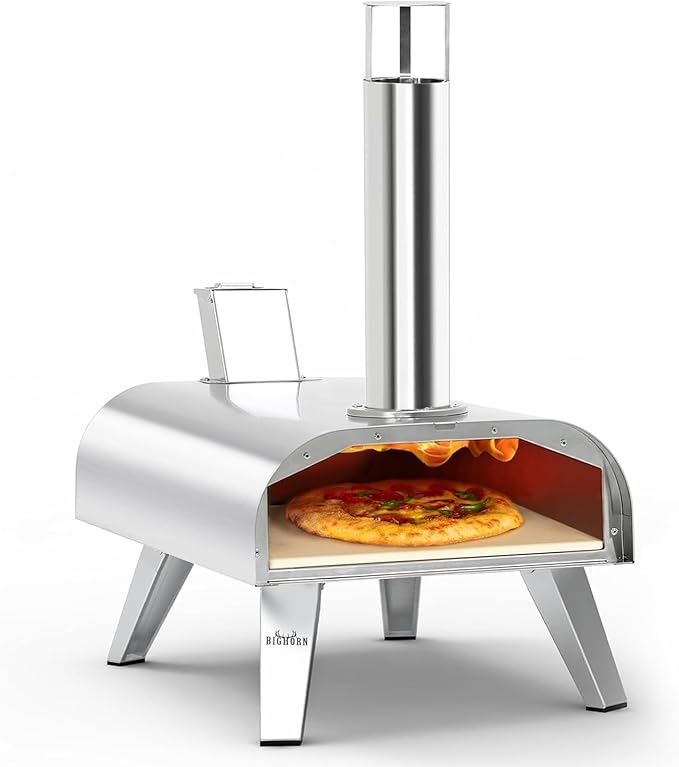
For cooks who want wood, gas, and electric heating in a single chassis without the Ooni price tag, the BIG HORN 12-inch ovens claim peak temperatures up to 1110°F. Build quality and customer service are not on par with Ooni, but for occasional weekend pizza nights it is a defensible value. BIG HORN.
WOOCIT 12-Inch Multi-Fuel — Gentler Learning Curve
Topping out at 720°F, the WOOCIT is the slow-cooker of pizza ovens — easier to manage for first-timers who would scorch a pizza in 60 seconds at 900°F. Useful as a stepping stone before committing to a Karu 16 conversion. WOOCIT 12" Multi-Fuel Outdoor Pizza Oven.
Stoke 16-Inch — Size-Matched Alternative
If the appeal of the Karu 16 is purely the 16-inch chamber and you don't care about the Ooni brand, the Stoke 16-inch portable oven covers similar real estate at a lower price point and is sold ready to use. Stoke 16 Inch Outdoor Pizza Oven.
Troubleshooting a Cold-Start Burner
The single most common complaint from cooks learning how to convert Ooni Karu 16 wood to gas is a burner that refuses to light on cold mornings, especially below 40°F. Propane vaporizes poorly at low temperatures, and a nearly empty tank compounds the problem because there is less liquid surface area to vaporize from. Solutions in order of effort: swap to a fuller tank, move the tank into direct sun for 20 minutes before cooking, or invest in a larger 30 lb tank that has more thermal mass.
If the piezo igniter sparks but the burner will not catch, the air-shutter holes on the burner barrel may be clogged with spider webs — a surprisingly common problem with outdoor gas appliances stored uncovered. Disconnect the burner, look down the venturi, and clear any obstruction with a pipe cleaner.
If the flame lights but burns yellow and sooty instead of blue, the air shutter is closed too far. Open it incrementally until you see a stable blue cone. Yellow flame deposits carbon on the stone and on the underside of pizzas, which is both unappetizing and a sign of incomplete combustion.
When the Conversion Is Not Worth It
Be honest about your usage. If you bought the Karu 16 for the smoke flavor and atmosphere of wood-fired cooking, switching to gas eliminates the exact thing that justified the price. Gas-fired pizza from a Karu 16 tastes nearly identical to pizza from a Koda 16, but you paid the wood-oven premium for both. Cooks in this situation are usually better served by keeping the Karu 16 on wood and adding a cheap dedicated gas oven for weeknights, rather than running the Karu 16 on propane full-time.
Conversely, if you are converting because lighting wood feels intimidating, give the wood path one more honest attempt with a chimney starter and proper kiln-dried hardwood. The learning curve is shorter than it looks. For more on choosing between fuel types, see our multi-fuel pizza oven comparison and our deeper Ooni Karu 16 review for 2026.
Frequently Asked Questions
Can I leave the Ooni Karu 16 gas burner attached permanently?
Yes, the burner is designed to remain installed between cooks. Cover the oven, and disconnect the propane tank when not in use for more than a week. Ooni does not recommend leaving the tank connected indefinitely because regulator diaphragms degrade faster under constant pressure.
How long does it take to switch from gas back to wood firing?
About two minutes once the oven is fully cold. Close the tank, disconnect the hose, pull the burner straight back out, slide the wood tray and ash catcher back in, and replace the chimney. Many Karu 16 owners switch fuels weekly without issue.
Is the Ooni Karu 16 gas burner the same as the Karu 12 burner?
No. The two burners have different orifice sizes, mounting flanges, and BTU outputs calibrated to the chamber volume. They are not interchangeable, and attempting to fit one to the wrong oven will produce dangerous combustion.
What pressure regulator does the Karu 16 gas burner use?
In North America, it ships with a low-pressure regulator rated for 11 inches of water column. In the UK and EU it ships with a 37 mbar regulator. Use the regulator supplied with the burner — third-party adjustable high-pressure regulators will damage the burner and void the warranty.
Will using gas instead of wood change the taste of my pizza?
Slightly. You will lose the subtle smoke notes that wood imparts to the crust cornicione. The high-temperature char from the stone and the rapid 60-90 second cook time remain identical, so structurally the pizza is unchanged. Most home cooks cannot reliably distinguish blind in a side-by-side test below 90 seconds of cook time.
Can I run natural gas instead of propane?
No. The Ooni Karu 16 gas burner is propane-only. Natural gas has roughly half the energy density of propane and requires a completely different orifice. Ooni does not sell a natural gas conversion kit for the Karu 16.
Do I need to season the stone differently after switching to gas?
No. The cordierite stone is fuel-agnostic. However, the first gas burn after a wood firing should be a 20-minute heat soak with no pizza to drive off any residual ash and moisture absorbed into the stone. After that, normal preheat times of 15-20 minutes apply.
Key Takeaways
- Choosing the right how to convert ooni karu 16 wood to gas means matching the key features to your specific needs and budget
- Read real customer reviews and check the return policy before you commit
- Also covers: karu 16 gas burner install
- Also covers: switching ooni karu fuel
- Also covers: add gas attachment karu 16
- Compare value across models — the priciest option is not always the best fit