The gozney roccbox for narrowboat cruisers is one of the most asked-about bits of kit on the UK inland waterways right now, and the short answer is yes — it works brilliantly on a narrowboat, provided you cook on the towpath (never inside the cabin), stow it cold in a vented locker, and run it from a standard 4.5kg or 6kg propane bottle off your gas locker with a regulator-rated hose. At roughly 20kg it is heavy for a 58ft cruiser-stern but its stone floor holds heat in damp Pennine air, the rolling boil at 500°C survives a stiff breeze across the Llangollen, and it folds down small enough to slide under the dinette. Below we compare the Roccbox against the portable Ooni and budget alternatives liveaboards actually carry, so you can pick the right oven for life between Braunston and Bingley.
Why narrowboat cruisers keep coming back to the Roccbox
Living afloat changes what you want from an outdoor pizza oven. A back-garden cook can leave a 25kg slab of cast iron on a paving stone forever; a continuous cruiser has to lift the thing on and off the gunwale, share a 1.5m of towpath with passing walkers, and cook in drizzle that would shut down a backyard party. The gozney roccbox for narrowboat cruisers earns its space because of three things that matter on the cut: a thick stone floor that shrugs off river-valley wind chill, a fold-down leg system that drops the footprint to roughly a shoebox plus chimney, and a silicone outer skin that you can actually grab with cold hands at Foxton in February.

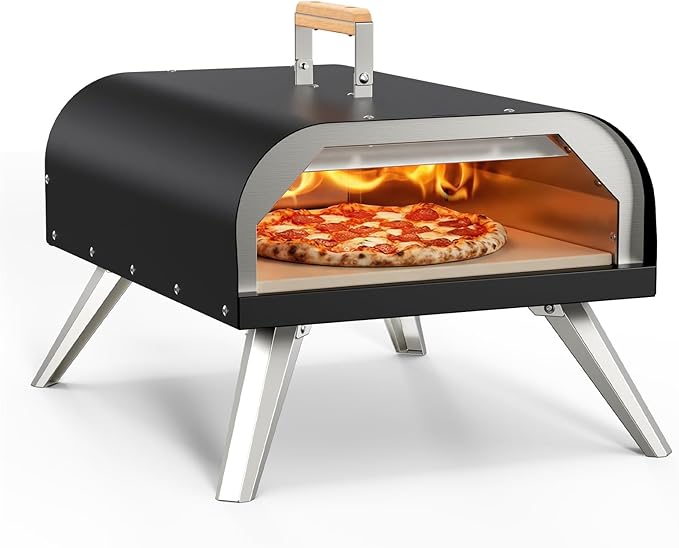
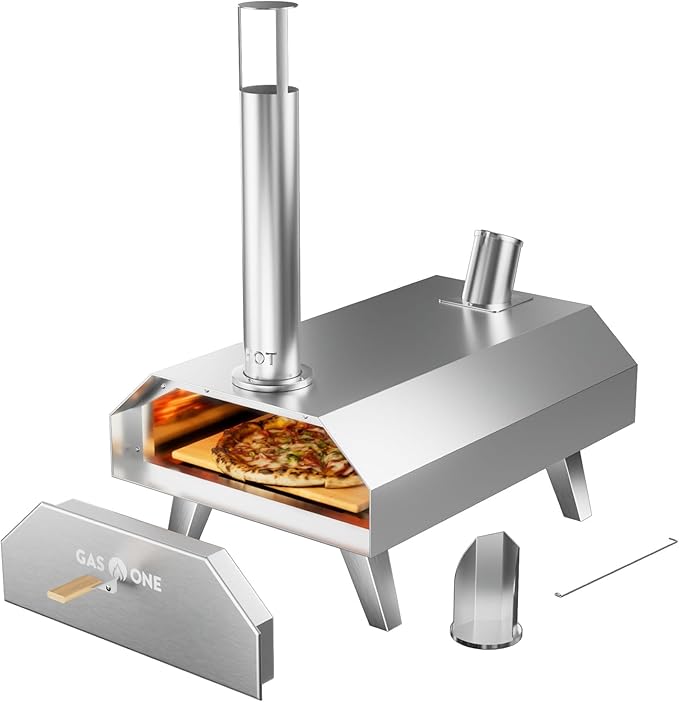
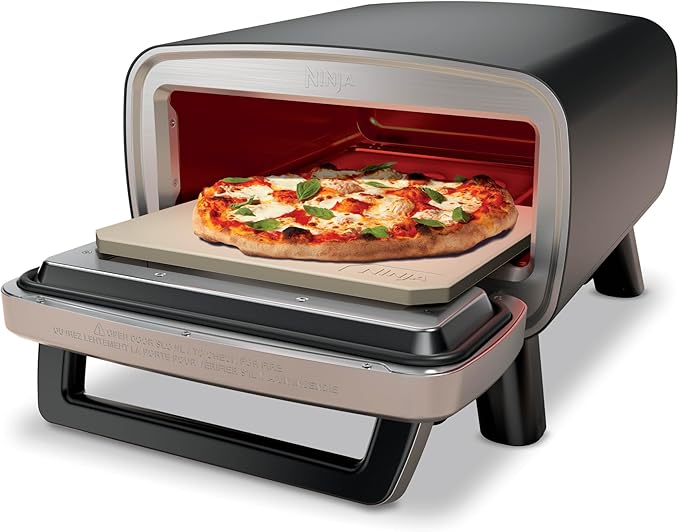
It is not the only option, though. Plenty of liveaboards prefer a 12-inch oven they can stow upright in a gas locker, or an electric model they run off a 2kW inverter when shorelined at a marina. The picks below cover the main use-cases we see on the Trent & Mersey, Kennet & Avon and Leeds & Liverpool: gas-only simplicity, multi-fuel for wild moorings, electric for marina berths, and budget kit for the once-a-fortnight cook.
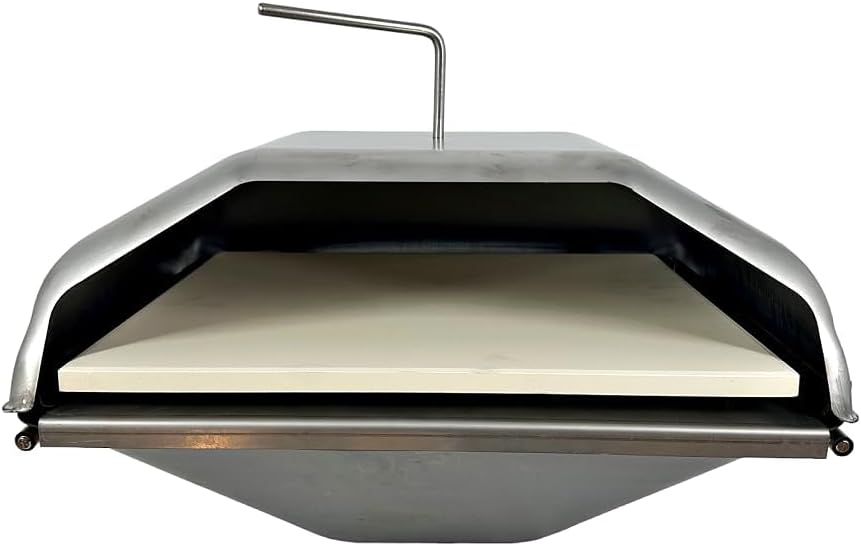
Portable pizza ovens compared for canal life
| Oven | Fuel | Max temp | Stowed footprint | Best for |
|---|---|---|---|---|
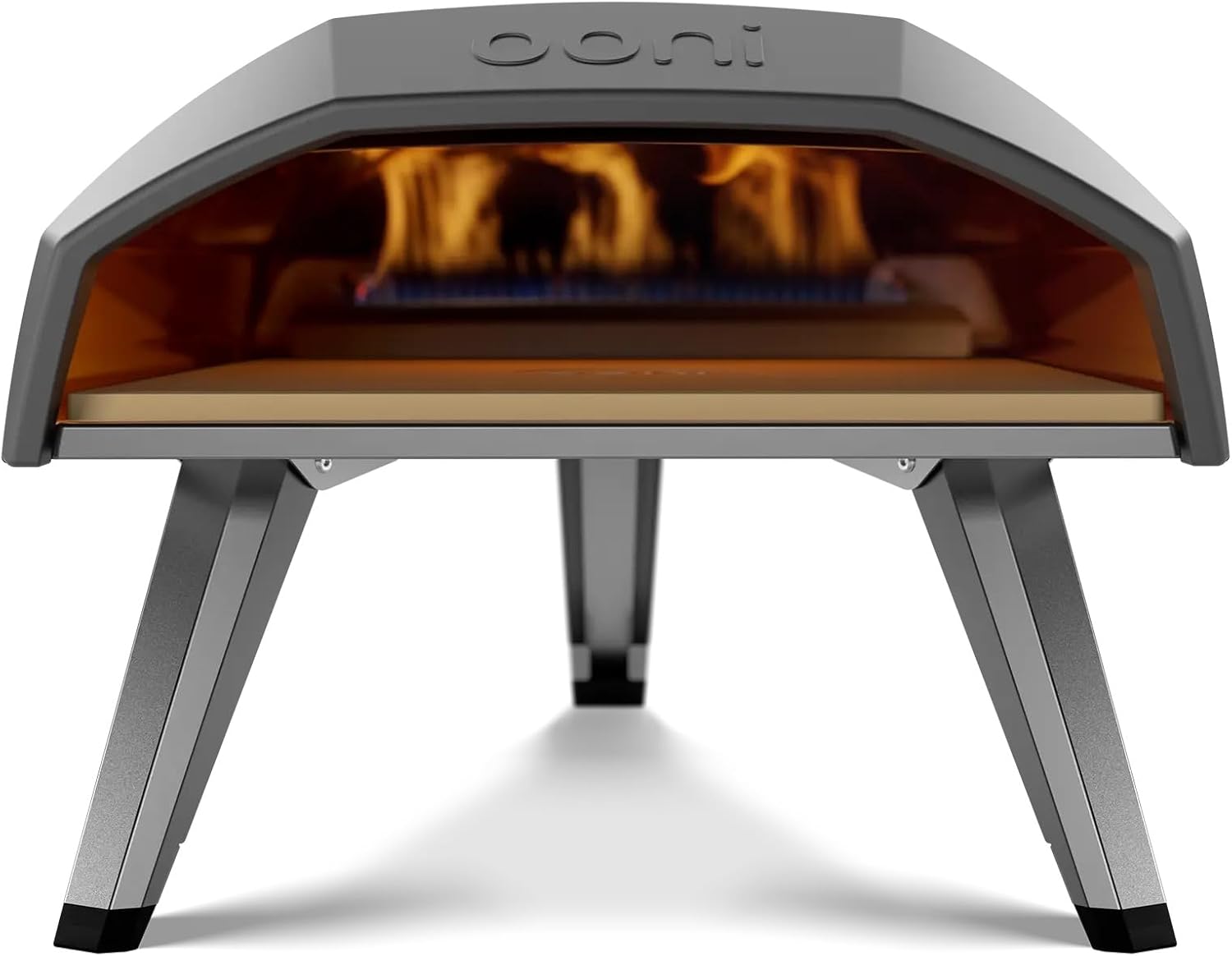
| Ooni Karu 12 | Wood / charcoal / gas (with burner) | 950°F / 510°C | Compact, chimney detaches | Wild moorings, multi-fuel flexibility |
| Ooni Koda 2 (14”) | Propane only | ~950°F / 510°C | Wider but flat-pack legs | Marina-based cruisers, family-size pies |
| Ninja Artisan Electric | 240V mains / inverter | 700°F / 370°C | Sits on hatch slide | Shorelined boats, no LPG handling |
| BIG HORN 12” Multi-Fuel | Wood / gas / electric | 1110°F / 600°C | Heavier, fixed legs | Budget pick, summer moorings |
| WOOCIT 12” Multi-Fuel | Wood / charcoal / gas | 720°F / 380°C | Mid-size, removable tray | First-time canal cooks |
Ooni Karu 12 — the closest thing to a Roccbox alternative for wild moorings
If you cruise the Macclesfield, Rochdale or Caldon and spend nights miles from a marina, the Karu 12 is the sensible understudy to the Roccbox. The same 950°F ceiling, the same 12-inch capacity, but with a multi-fuel burner that swallows kiln-dried hardwood when your propane bottle empties at the worst possible moment. The chimney detaches for transport, which matters when you're shuffling kit past the tiller in a 6’3” wide cabin. Pair it with a separate windbreak for winter cooks at Standedge.
View the Ooni Karu 12 on Amazon
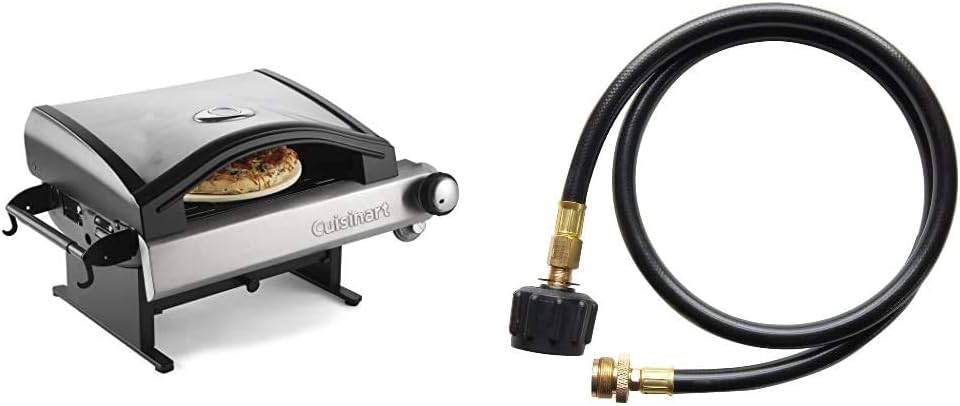
Ooni Koda 2 — propane simplicity for marina-based boats
The Koda 2 is the oven we recommend for cruisers who base out of a marina like Pyrford, Sawley or Mercia and only take the boat out for fortnight trips. No wood to split, no ash to dispose of (please, never tip ash into a canal), just a twist of the regulator and a 14-inch stone reaches launch temperature in roughly 25 minutes. It is wider than the Karu, so check your gas-locker clearance — most cruiser sterns will swallow it lengthways with the legs folded. The propane-only design also keeps your CRT mooring neighbours happy: no woodsmoke drifting into their cratch covers.
View the Ooni Koda 2 on Amazon
Ninja Artisan Electric — the shoreline-only option
Plenty of boaters now spend winter on a 16A shoreline at a marina and rarely cruise until April. If that's you, the Ninja Artisan removes every safety question about LPG, wood embers and towpath etiquette. It draws roughly 2kW peak — fine on a marina post, marginal on a 2000W pure-sine inverter from a lithium bank, and absolutely not advisable on a 1500W modified-sine setup. The 700°F ceiling won't crisp a Neapolitan base in 60 seconds the way the Roccbox does, but a properly proved sourdough at 370°C still produces a pizza no narrowboat galley oven can touch.
View the Ninja Artisan Electric on Amazon
BIG HORN 12-inch Multi-Fuel — budget pick for the once-a-month cook
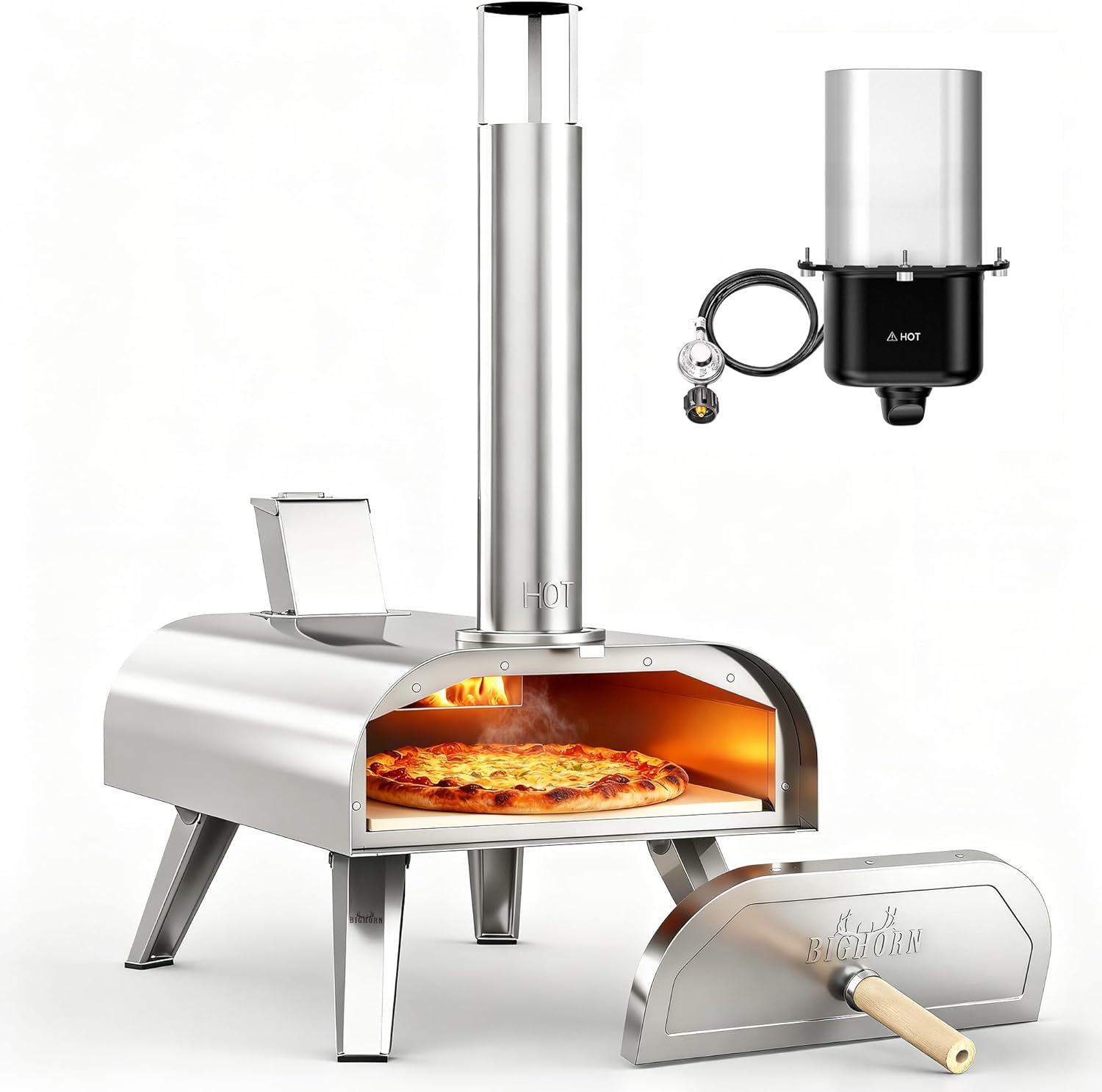
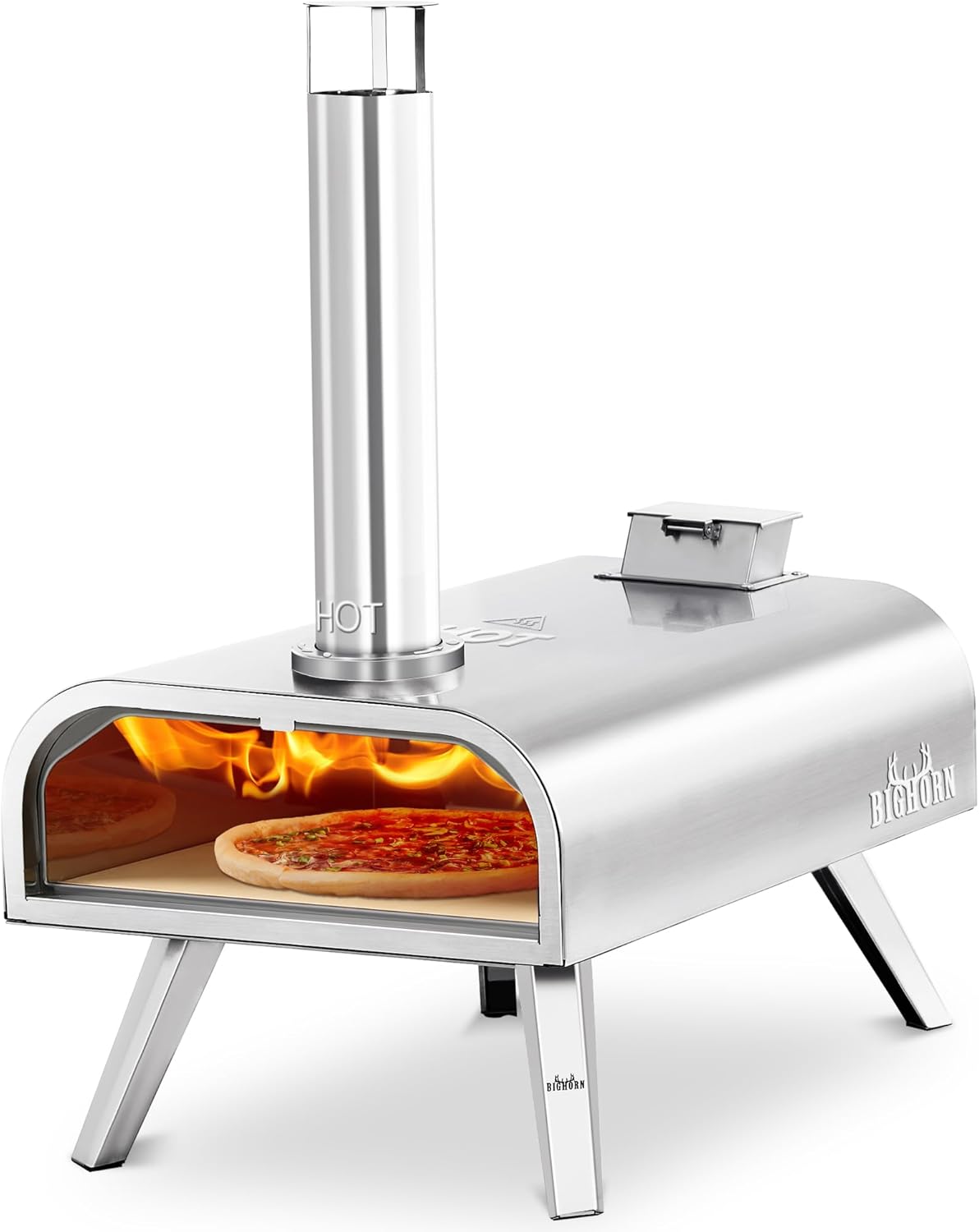
Not everyone wants to spend Roccbox money on an oven they'll fire up six times between Easter and the October stoppage. The BIG HORN hits 1110°F on paper (in practice closer to 850°F with the standard stone) and accepts wood, gas or electric inserts. It is heavier than the Ooni and the build tolerances are looser — the stone needs careful seasoning to avoid cracking on damp summer mornings — but for a sub-£200 buy-in it gets a narrowboat family eating proper pizza on the towpath. Stow it with the stone wrapped in a tea towel to absorb condensation.
View the BIG HORN multi-fuel oven on Amazon
WOOCIT 12-inch Multi-Fuel — entry-level versatility
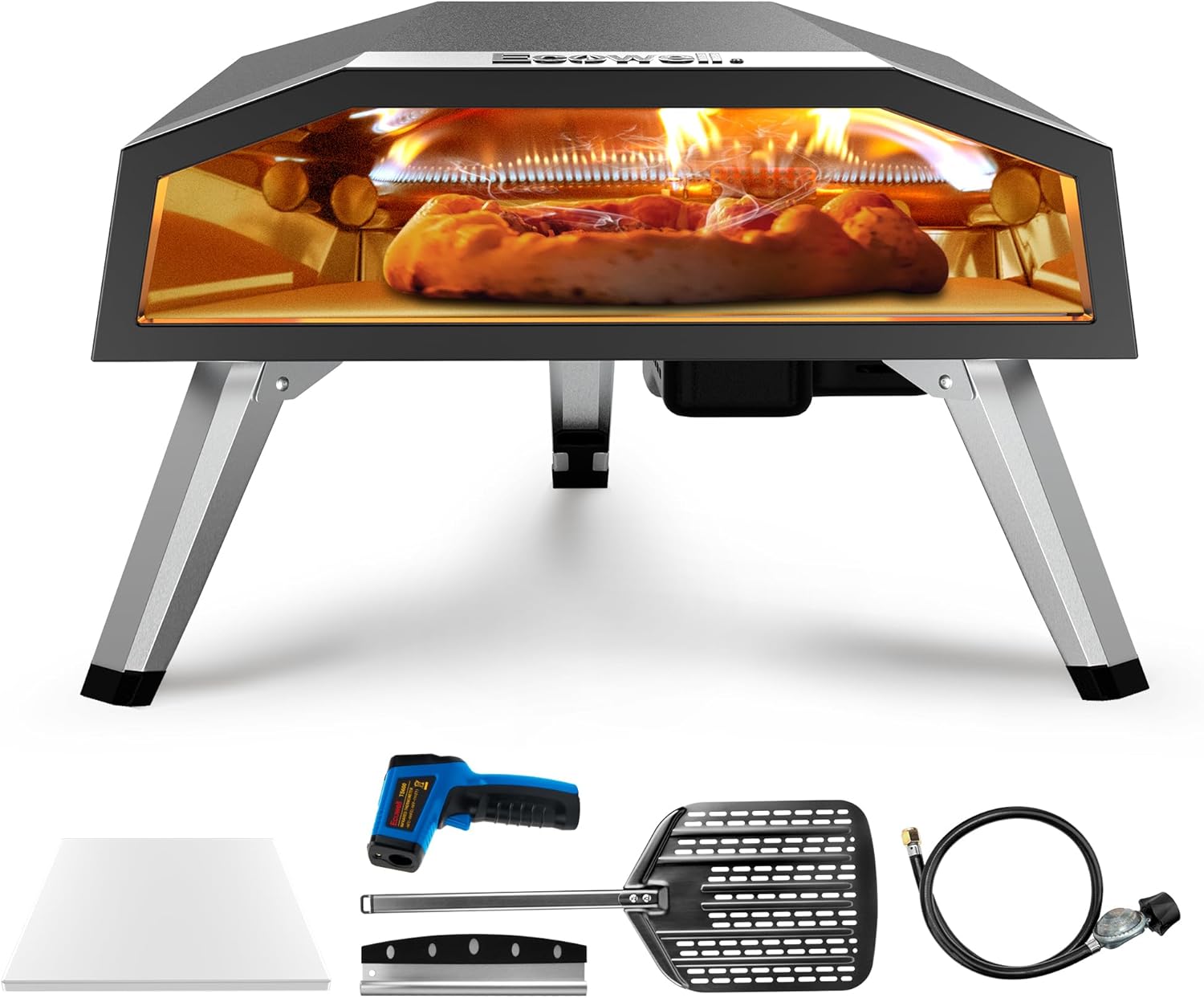
The WOOCIT sits between the BIG HORN and the Karu on price and ambition. A 720°F ceiling is enough for a 90-second New York-style base, the removable ash tray makes towpath cleanup genuinely possible, and the multi-fuel design means you can switch to a small propane burner when you moor up at a Canal & River Trust visitor mooring that bans solid fuel. For new liveaboards still working out whether the gozney roccbox for narrowboat cruisers niche actually fits their cruising pattern, the WOOCIT is a low-regret first oven.
View the WOOCIT multi-fuel oven on Amazon
GasOne PZW-12A Wood Pellet — the long-distance cruiser's wildcard
Wood pellets are the unsung fuel of the inland waterways: a 10kg bag fits in a stove-side crate, burns hotter than seasoned ash, and won't void your boat insurance the way loose-stored kindling can. The GasOne pellet oven runs on the same pellets you'd feed a Salamander stove, which means one fuel covers your cabin heating and your pizza cooking. It is slower to launch than the Roccbox and the pellet hopper needs a regular brush-out to prevent jamming in damp UK summers, but for a continuous cruiser south of Birmingham it is genuinely clever.
View the GasOne pellet pizza oven on Amazon
Practical setup on a narrowboat: the rules nobody tells you
Cooking a Roccbox on a narrowboat is not the same as cooking one in a garden. The Boat Safety Scheme does not regulate portable LPG appliances used outside the cabin, but the Canal & River Trust's mooring conditions do require you to avoid scorching towpath surfaces and to extinguish any solid-fuel cooker before leaving it. In practice that means:
- Cook from the towpath, not the gunwale. A 510°C stone radiates heat that will blister Sikaflex bedding on a steel gunwale within minutes. Use a heatproof mat on paving slabs.
- Run propane, not butane, below 5°C. Butane stops vaporising around 0°C, which is most of the cruising season north of Stoke. Propane keeps flowing to roughly –42°C.
- Use a hose with the correct UK-spec regulator. US-spec hoses with imperial fittings will not seal on a 27mm UK propane clip-on regulator without an adapter — buy the adapter from a chandler, not a back-garden BBQ shop.
- Never refill a bottle on board. Swap empties at a CRT service point or chandlery like Midland Chandlers, Tradline or Norton Canes.
- Stow the oven cold. A Roccbox stone takes roughly 90 minutes to drop below 80°C. Don't put it back in the locker until you can hold a palm against the silicone shell for ten seconds.
For more on galley layouts and gas-locker capacity, see our guides on portable pizza ovens for UK narrowboats and propane vs butane on canal boats.
Frequently Asked Questions
Can I use a Gozney Roccbox on a narrowboat roof while cruising?
No. The Roccbox manual is explicit that the oven must sit on a stable, level, non-combustible surface, and a narrowboat roof at 4mph is none of those things. The radiated heat will also damage paintwork and any solar panel cabling routed along the cant rail. Always cook from the towpath, ideally on a paving slab or a purpose-made fireproof mat, and never while moving.
How long does a 4.5kg propane bottle last in a Roccbox on a canal trip?
A 4.5kg Calor propane bottle gives roughly 8–10 hours of cooking time on a Roccbox at full output, which works out to around 30–40 pizzas if you're efficient about preheats. For a two-week cruise where you cook pizza twice a week, one bottle is plenty. Carry a spare in the gas locker rather than the cratch — the locker is vented overboard for a reason.
Is the Ooni Karu 12 better than the Roccbox for wild moorings?
For genuinely remote moorings on the Llangollen, Caldon or Lancaster the Karu 12's multi-fuel option is a real advantage — you can burn kiln-dried hardwood when propane runs out. The Roccbox holds heat better in wind and is faster to clean, but the Karu's fuel flexibility wins for cruisers who go a week between chandlery stops.
Will a portable pizza oven set off my carbon monoxide alarm?
Only if you cook with the cabin doors open and the oven within a metre of the rear hatch in still air. All portable pizza ovens — Roccbox, Ooni, Ninja electric included — must be used outdoors with at least 1m clearance from any cabin opening. The Boat Safety Scheme requires a working CO alarm in the cabin regardless, and you should test it monthly during the cruising season.

Can I run an electric pizza oven off my narrowboat's inverter?
Only with a 2.5kW or larger pure-sine inverter and a lithium battery bank of at least 300Ah. A Ninja Artisan draws roughly 2kW at peak, which a 2000W inverter will manage briefly but not for the 20-minute preheat. Lead-acid banks will sag below the inverter's low-voltage cutoff long before the pizza is ready. Marina shoreline is the realistic answer.
Where can I legally cook on the towpath under CRT rules?
Canal & River Trust visitor moorings allow cooking on portable appliances provided you do not scorch the towpath surface, you do not obstruct walkers or cyclists, and you remove all litter and ash. Some honeypot moorings (Stratford Bancroft Basin, Llangollen Wharf, Skipton) post seasonal bans — check the mooring sign before lighting up. Always keep a bucket of canal water within arm's reach as a fire-safety basic.
Is the Roccbox or Ooni Koda 2 better for a 58ft cruiser-stern?
For a 58ft cruiser-stern the Roccbox is the better fit by footprint — it folds smaller and the silicone shell is friendlier to bare paintwork in the stern locker. The Koda 2 cooks a larger 14-inch pie, which suits a family of four better, but you'll need to find dedicated stowage rather than tucking it under the rear deck boards. If it's just a couple aboard, take the Roccbox.
Final pick for the 2026 cruising season
For most narrowboat cruisers the answer is still the Roccbox itself, with the Ooni Karu 12 as the multi-fuel backup for long northern cruises and the Ninja Artisan as the marina-bound winter option. The gozney roccbox for narrowboat cruisers niche exists because the oven genuinely solves the windy, damp, weight-constrained problem of cooking real pizza on the inland waterways — the alternatives above just sharpen the choice depending on whether your 2026 cruising plan looks more like Braunston-to-Stourport or a winter on a Mercia shoreline. For more comparisons, browse our Ooni vs Gozney 2026 buyer's guide and the best multi-fuel pizza ovens in the UK.
Key Takeaways
- Choosing the right gozney roccbox for narrowboat cruisers means matching capacity and output ports to your actual devices
- Always check actual watt-hours (Wh), not just watts — runtime depends on Wh, not peak output
- Also covers: roccbox uk canal boat pizza
- Also covers: narrowboat outdoor pizza oven
- Also covers: gozney roccbox waterway cooking
- Compare price-per-Wh across models to find the best value for your budget