For a vegan cheese shop testing melt quality on house blends, the gozney dome for vegan cheese shops is the most defensible pick in 2026: it holds a true masonry-style soak between 750-900F, delivers radiant dome heat that pushes coconut-oil and cashew-base shreds into actual blistered browning instead of greasy puddling, and stays stable long enough to run a full A/B/C tray of formulations without the floor temperature crashing between bakes. Most countertop ovens cannot do this. They either spike, vent heat the moment the door opens, or run a cold ceiling that leaves plant-based mozz pale and rubbery. If your R&D depends on whether a cashew-tapioca-agar blend actually melts and pulls, the Dome gives you a repeatable canvas that mimics a real wood-fired pizzeria.
That said, the Dome is a real capital purchase. Below we cover where it earns its keep for cheese-blend R&D, what its dome geometry actually does to plant proteins and starches, and which lower-cost ovens make sense as secondary test rigs so your shop can run parallel melt comparisons without burning a full propane bottle for every micro-tweak. We also include a comparison table of the realistic alternatives, plus an FAQ for the questions most cheesemakers actually ask before committing.
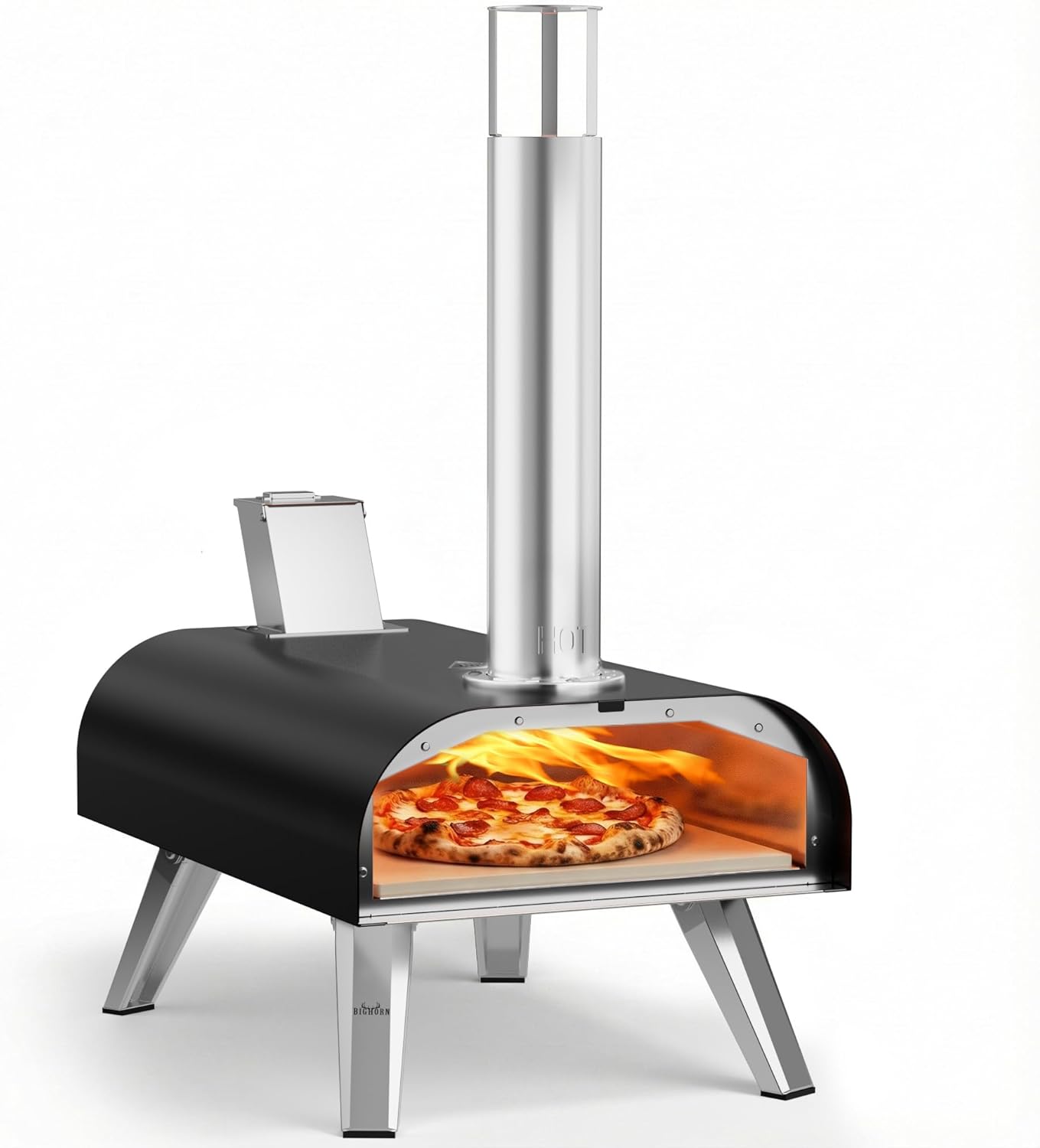
Why dome geometry matters for plant-based melt testing
Dairy mozzarella melts because casein proteins loosen and recapture fat at roughly 130-160F, then brown via Maillard reactions once surface moisture flashes off above 300F. Vegan blends do not have casein. Instead, they rely on a structured matrix - usually modified starch (tapioca, potato), a hydrocolloid (kappa or iota carrageenan, agar, methylcellulose), a fat (refined coconut, cocoa butter, sunflower), and a protein or emulsifier (cashew, soy, pea isolate, sometimes faba). That matrix has a much narrower melt window. Too little top heat and you get a waxy slab. Too much direct flame and the fat renders before the starch gels, leaving an oil slick.
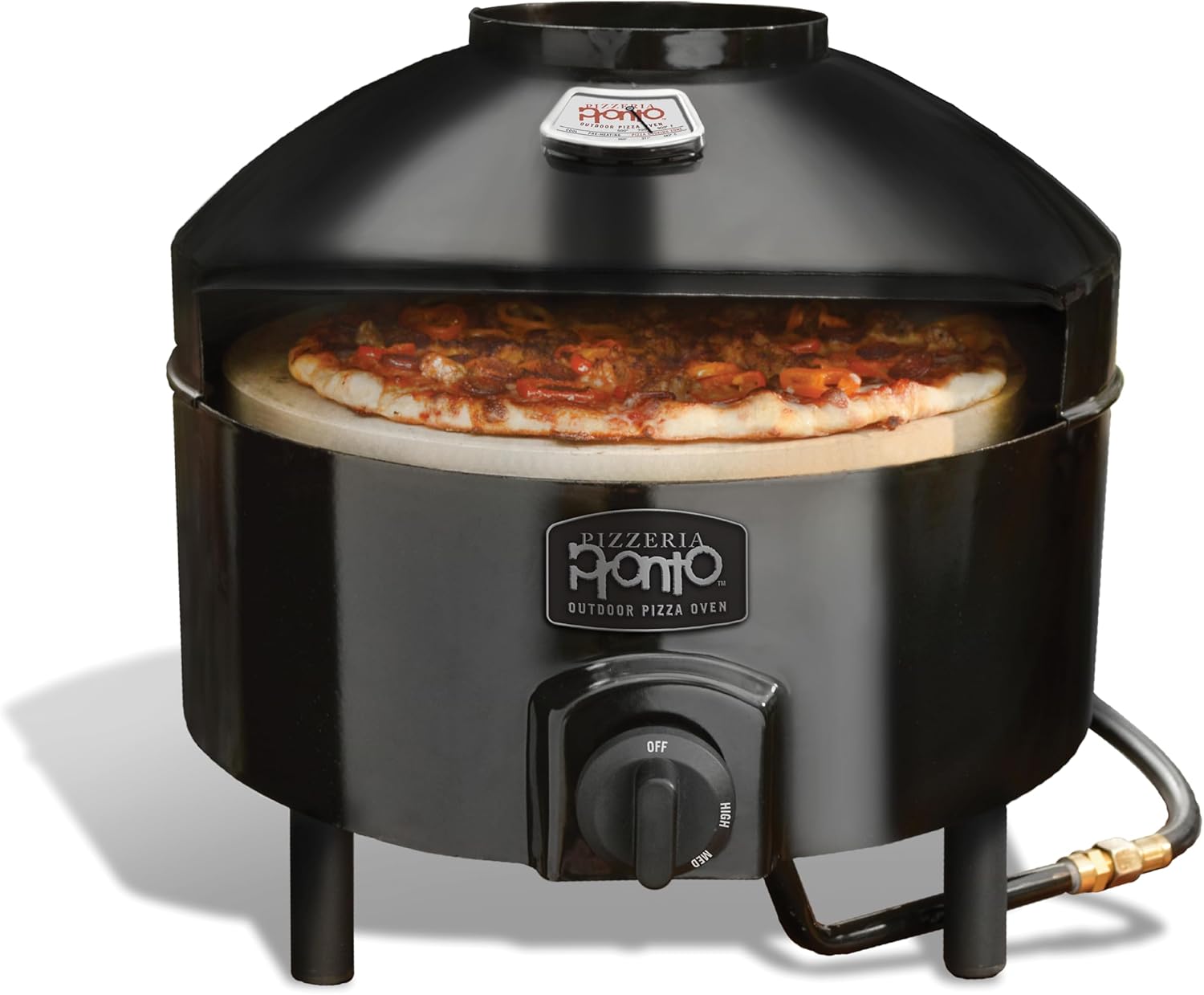
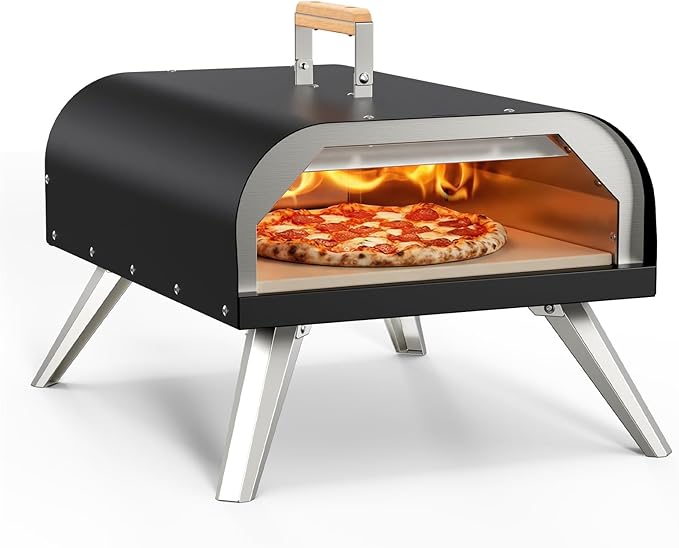
A domed chamber solves this because it bounces radiant heat down onto the cheese surface from every angle, not just from a single ceiling element. That is what lets a wood-fired oven brown a Neapolitan in 60-90 seconds without scorching - and it is exactly the dynamic you want when you are pushing a plant-based shred to its blister point. For a vegan cheese shop, this means your house blends can be evaluated under conditions that match how your wholesale pizzeria customers will actually cook them. If a blend only melts well in a convection oven at 425F but fails in a 750F dome, your wholesale buyers will reject it - and you need to know that before they do.

The Gozney Dome: what it actually does for a cheese R&D workflow
The Gozney Dome (dual-fuel or propane-only) is not on Amazon at the time of writing, which is why this guide focuses on building a complete test bench around it. The Dome itself gives you: a 16-inch cordierite stone floor that holds a soaked temperature, a true insulated dome that radiates evenly, an integrated thermometer, and the ability to run low-and-slow proofing modes for non-melt experiments (cultured cashew aging, for example, when the oven is off and just barely warm). For melt R&D specifically, the workflow that pays off is:
- Pre-soak the stone for 35-45 minutes at 800F target.
- Lay three 4-inch dough rounds with identical sauce, weigh out 28g of each test blend, and bake them simultaneously.
- Photograph at 60s, 90s, and 120s. Score on browning percentage, oil release (grams of pooled fat), and stretch length (cm at 30 seconds post-bake).
Because the Dome doesn't lose 100F every time you load a peel, your three samples cook under near-identical conditions. That repeatability is the entire point.
Secondary test ovens: why a multi-rig bench beats one premium oven
Most serious vegan cheese shops we have seen running structured melt R&D do not rely on a single oven. They run the gozney dome for vegan cheese shops as the gold-standard reference, then use 1-2 smaller, cheaper ovens to simulate the conditions their customers actually own - a home gas oven, a low-temperature electric, a small wood-fired counter unit. The blends are tested in all three. A blend that wins on the Dome but flops on a 700F electric is not shippable to retail customers. Below are the Amazon-available picks worth considering as that secondary bench.

Ooni Koda 2 - the propane reference rig
The Ooni Koda 2 (14-inch propane) is the closest Amazon-available proxy to a Gozney workflow without the masonry mass. It hits 950F+, runs on a standard 20lb tank, and gives you a 14-inch stone that can fit two 6-inch test pies side by side. For a cheese shop doing weekly melt trials, this is the most cost-effective way to validate blends at high heat when the Dome is tied up with retail batches or maintenance. Useful when you are stress-testing whether a low-coconut-oil formulation can survive Neapolitan temperatures.
Check the Ooni Koda 2 on Amazon
Ooni Karu 12 - the multi-fuel sanity check
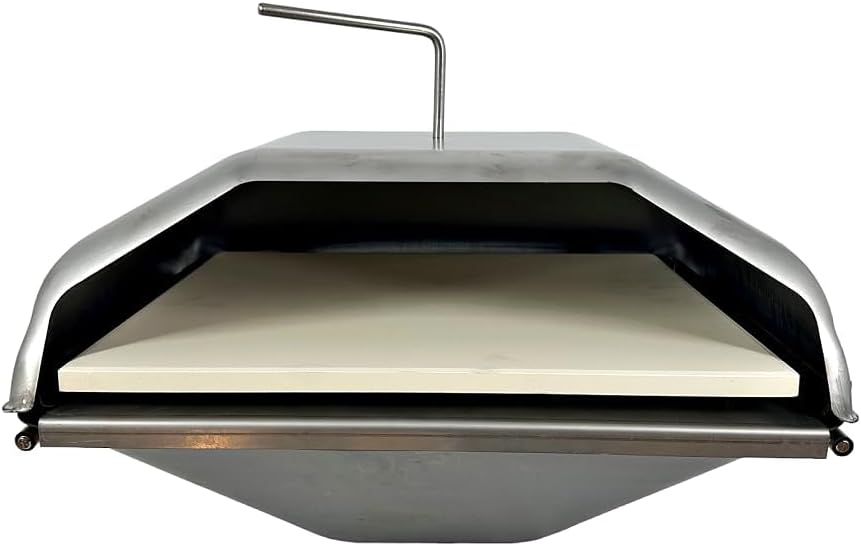
The Karu 12 runs on wood, charcoal, or (with the gas burner) propane, and hits 950F. The reason it matters for a vegan cheese shop is the wood-fired mode - some plant-based blends pick up surface smoke notes differently than dairy mozz, and you want to know if your blend tastes acrid or balanced under live flame. Use it as your "does this blend behave under smoke" station. The 12-inch stone forces you to keep test pies small, which is actually good for portion-controlled trials.
Check the Ooni Karu 12 on Amazon
Ninja Artisan Electric - the consistency baseline
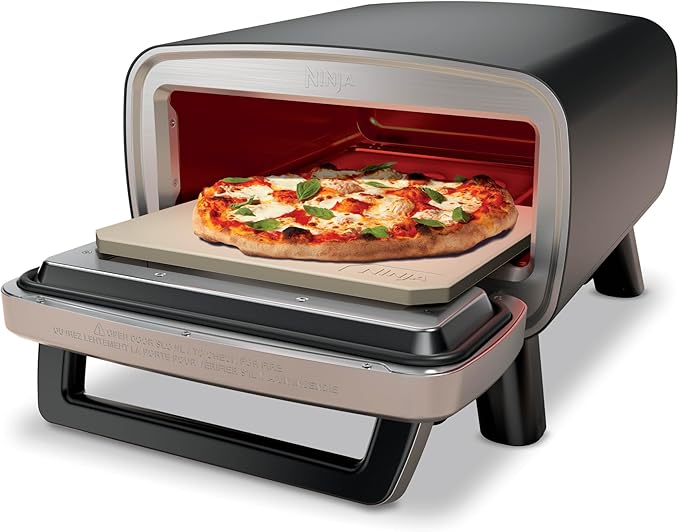
An electric pizza oven matters in a cheese shop more than people expect. Customers - especially home cooks buying retail shreds - will cook on electric. The Ninja Artisan hits 700F with very tight electronic control, which means it is the most repeatable oven on this list. When you need to run a 12-sample factorial (3 fat levels x 2 starches x 2 hydrocolloids) and want every sample baked under nearly identical conditions, electric removes the variable of flame drift. This is the rig where you generate the data your R&D notebook actually relies on.
Check the Ninja Artisan Electric on Amazon
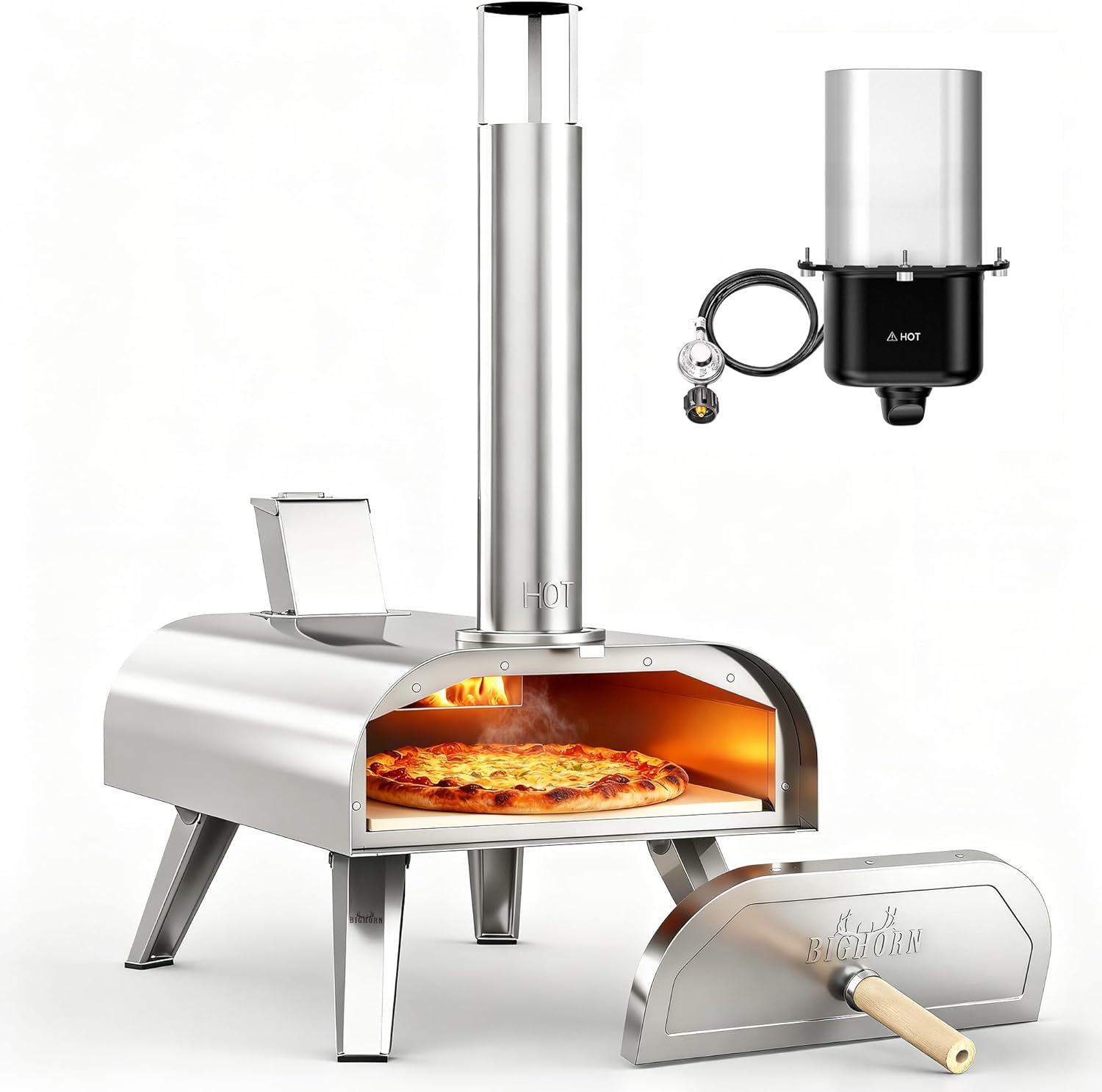
BIG HORN 12-inch Multi-Fuel - the high-ceiling stress rig
The BIG HORN multi-fuel can push past 1100F with the right wood load, which is hotter than even most Neapolitan kitchens run. For a cheese shop, this is the "break it on purpose" station - you push a blend until it scorches, and you record exactly where the failure point is. That gives your sales team a defensible spec sheet: "melts cleanly to 850F, browns at 950F, scorches above 1050F." Wholesale pizzeria buyers love that spec because it tells them exactly which oven settings to use.
Check the BIG HORN Multi-Fuel on Amazon
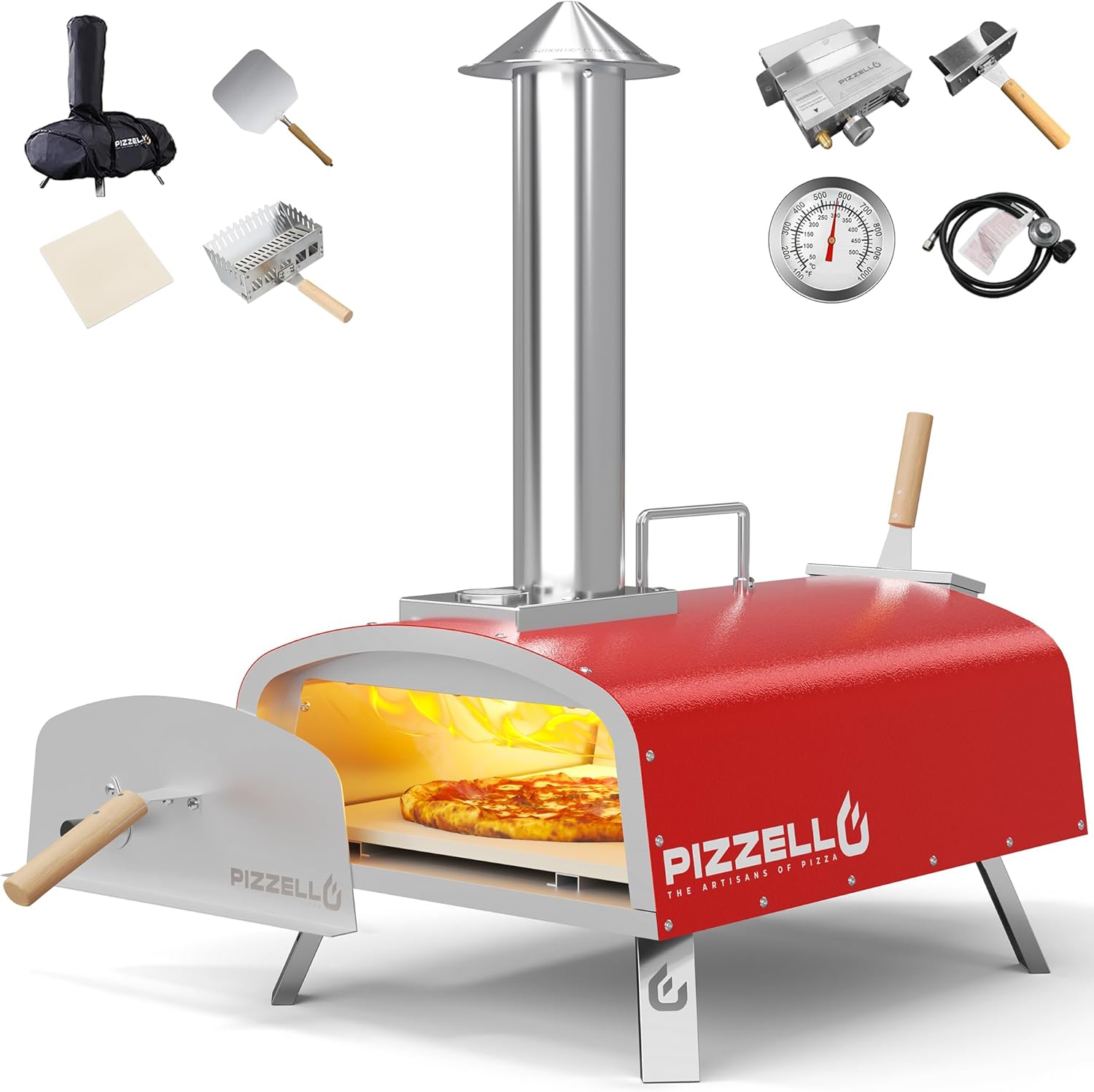
WOOCIT 12-inch Multi-Fuel (720F) - the low-temp simulation rig
If you sell wholesale to cafes and bakeries that cook on lower-temp deck ovens, the WOOCIT's 720F ceiling is actually a feature, not a limitation. It simulates what your retail customers' equipment will do. A vegan mozzarella blend that melts cleanly at 720F is more commercially viable than one that needs 900F, because most of the home and small-cafe market simply cannot reach 900F. Use this rig to validate your "works in any oven" claim before you put it on the label.
Check the WOOCIT Multi-Fuel on Amazon
Comparison table: secondary test rigs for vegan cheese R&D
| Oven | Max Temp | Fuel | Best Role in Cheese R&D | Stone Size |
|---|---|---|---|---|
| Ooni Koda 2 | ~950F | Propane | High-heat reference rig | 14" |
| Ooni Karu 12 | ~950F | Wood / charcoal / gas | Smoke/flavor stress test | 12" |
| Ninja Artisan Electric | ~700F | Electric | Repeatability / data baseline | 12" |
| BIG HORN Multi-Fuel | ~1110F | Wood / gas / electric | Failure-point stress testing | 12" |
| WOOCIT Multi-Fuel | ~720F | Wood / gas | Low-temp customer simulation | 12" |
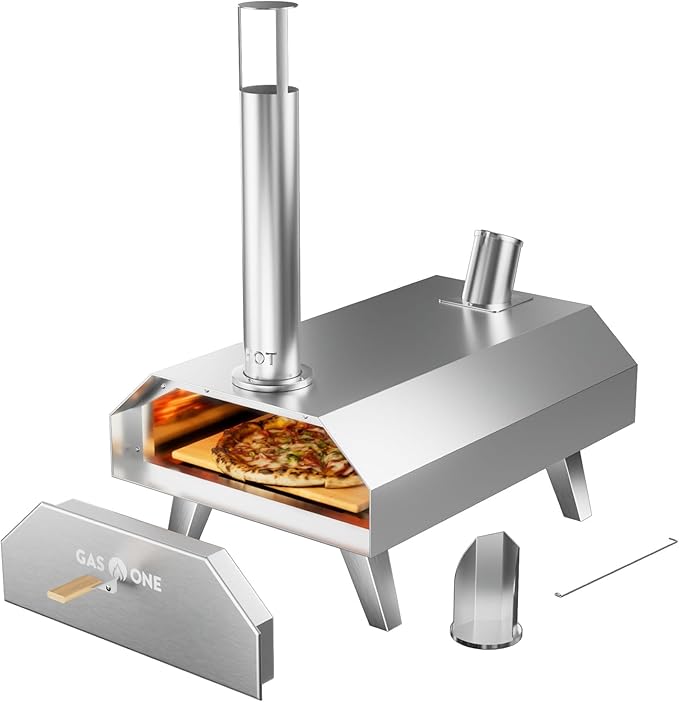
| GasOne PZW-12A | ~750F+ | Wood pellet | Pellet-fired flavor profile | 12" |
GasOne PZW-12A Wood Pellet - the pellet flavor rig
Pellet-fired ovens generate a distinctive light smoke note that some wholesale buyers (especially in the Pacific Northwest and Mountain West craft pizza scene) specifically request. The GasOne PZW-12A lets you test whether your vegan blend's fat phase carries pellet smoke without going acrid. Cashew and macadamia bases tend to take pellet smoke very well; coconut-heavy blends sometimes do not. Worth knowing before you ship.
Check the GasOne PZW-12A on Amazon
Building the test bench: a realistic 2026 budget breakdown
For a vegan cheese shop standing up a dedicated melt R&D space in 2026, a defensible bench looks roughly like this: Gozney Dome (~$2,000 direct from Gozney) as the masonry-style reference; one Ninja Artisan Electric (~$400) for repeatability data; and one of the multi-fuel 12-inch options (Karu, BIG HORN, or WOOCIT, $250-$400) for the customer-simulation role. Total bench cost: roughly $2,700-$2,900. That is a lot less than most cheesemakers expect, and it covers the three regimes - reference, repeatability, and customer-simulation - that actually matter for product development.
What you do not want is to buy three near-identical ovens. The whole point is to span the conditions your blends will encounter in the wild. A bench of three 700F electrics tells you nothing about what happens at 900F. A bench of three wood-fired units tells you nothing about home convection ovens. Spread your bets.
Documentation: turning oven trials into a spec sheet buyers trust
The reason serious vegan cheese shops invest in a multi-oven bench is not the ovens themselves - it is the data the bench produces. For every blend, you should generate a one-page spec card that includes: melt onset temperature, browning temperature, scorching temperature, oil release at 850F (grams per 28g sample), stretch length at 30s post-bake, and a side-by-side photo strip at three temperatures. Wholesale buyers - especially pizzeria chains evaluating you against three other plant-based suppliers - will choose the supplier whose spec sheet answers their questions before they ask them. The gozney dome for vegan cheese shops is the rig that anchors the high-heat end of that spec sheet; the electric anchors the low end; the multi-fuel anchors the middle.
For deeper guidance on related setups, see our notes on Ooni Koda 2 R&D setups for small bakeries, multi-oven test benches for food startups, and electric pizza ovens for recipe development.
Frequently Asked Questions
Is the Gozney Dome actually better than the Ooni Karu 16 for vegan cheese melt testing?
For repeatability across a long R&D session, yes. The Dome's thicker masonry holds floor temperature far better than the Karu 16's lighter construction, which matters when you are loading 20+ test pies in a session. The Karu 16 is cheaper and still very capable, but you will see floor-temp drift after 4-5 consecutive bakes that can muddy your data.
Can I run melt trials on a Gozney Dome without using flour-based pizza dough?
Yes. Many cheese shops use small ceramic test plates or pre-baked flatbread rounds as a neutral substrate. This removes dough hydration as a variable, so you are only measuring cheese behavior. The Dome's stone floor accepts ceramic test plates without issue as long as they are pre-warmed to avoid thermal shock.
What temperature should I target when testing cashew-coconut house blends?
Start at 750F and work up in 50F increments. Most cashew-coconut blends show clean melt at 750-800F, ideal browning at 825-875F, and scorching above 925F. The exact window depends on your fat phase ratio - higher coconut oil pushes the scorching threshold down.
Do propane ovens like the Ooni Koda 2 affect plant-based cheese flavor?
Minimally. Clean-burning propane contributes almost no flavor of its own, which is actually useful for melt R&D because it isolates the cheese's own browning chemistry. Save the wood-fired or pellet-fired rigs for flavor profile testing, not melt characterization.
Is a 12-inch electric oven enough for a small vegan cheese shop?
For pure repeatability data, yes. The Ninja Artisan's tight control makes it ideal for factorial experiments where you need 12-20 samples baked under nearly identical conditions. It will not replace a high-heat dome for stress testing, but it is the rig your data scientist (or you, wearing that hat) will use most.
How do I document oil release in a way wholesale buyers will respect?
Bake a standard 28g cheese sample on a pre-weighed parchment square at 850F for 90 seconds. Weigh the parchment after cooling. Report grams of released oil per 28g sample. This is a measurement pizzeria buyers can replicate in their own kitchens, which builds trust.
What is the cheapest defensible test bench for a one-person vegan cheese startup?
One Ninja Artisan Electric (~$400) plus one Ooni Karu 12 (~$400) covers the repeatability and high-heat regimes for under $1,000. Add the Gozney Dome later, once you have wholesale revenue to justify it. Many successful vegan cheese brands started exactly this way.
Key Takeaways
- Choosing the right gozney dome for vegan cheese shops means matching capacity and output ports to your actual devices
- Always check actual watt-hours (Wh), not just watts — runtime depends on Wh, not peak output
- Also covers: dome vegan cheese melt testing
- Also covers: plant-based cheese pizza oven
- Also covers: gozney dome dairy-free pizza
- Compare price-per-Wh across models to find the best value for your budget