
Affiliate Disclosure: This post contains affiliate links. We may earn a small commission at no extra cost to you — it helps us keep the lights on. We only recommend products we genuinely stand behind.
Why Trust Pizza Outdoor?
We are an independent review site. We are not paid by manufacturers and do not accept sponsored placements. Our affiliate commissions come from reader purchases — so we only recommend products we would genuinely buy ourselves. Read our editorial policy.
The best how to launch pizza without sticking for your situation depends on how you plan to use it and where.

Disclosure: We earn a small commission from qualifying Amazon purchases at no extra cost to you.
Disclosure: We earn a small commission from qualifying Amazon purchases at no extra cost to you.
As an Amazon Associate, we earn from qualifying purchases.
Last Updated: May 2026 | Written by Marco Bellini | 18 months of testing, 200+ pizzas launched
> The 3-Second Answer: Keep your dough moving on the peel from the second it touches metal. Use semolina (not flour) as your lubricant. Never let a topped pizza sit for more than 60 seconds. That's it. Everything else is nuance.
I've launched somewhere north of 200 pizzas in the past 18 months across an Ooni Koda 16, a Gozney Roccbox, and an older Karu 12. I've also had pizzas weld themselves to the peel in spectacular fashion sauce-side-down on the stone, dough draped like a sad flag over the lip of the oven, a Margherita that I genuinely had to scrape off with a putty knife.
So yes, I've earned these tips the hard way. Let me save you the heartbreak.
The Brutal Truth Box
| The Stat | What It Means |
|---|---|
| 60 seconds | Max time dough should sit on a peel before launching |
| 65%+ hydration | The sticky zone where Neapolitan dough turns into glue |
| 200+ pizzas | What it took me to nail this technique |
| 3 reasons | Why pizzas stick (we'll fix all of them) |
Why Your Pizza Keeps Sticking (The Real Reasons)
Dough sticks to a peel for three reasons, and almost everyone gets this wrong on their first try.
1. Wet dough grabs metal and wood. High-hydration Neapolitan-style dough (65%+ hydration) is sticky by nature. It wants to bond with surfaces.
2. Time is the enemy. The longer a topped pizza sits, the more the dough's moisture wicks into your peel surface, creating an adhesive bond stronger than most epoxies.
3. Sauce and oil migration. If sauce leaks off the edge of your dough onto the peel, congratulations you've just created edible glue.
> Marco's Honest Take: In my testing, the single biggest predictor of a clean launch wasn't the peel itself. It was how fast I worked once the dough hit the peel. Speed beats equipment every single time.

EcoFlow DELTA 2 Max Portable Power Station
- 2048Wh LFP battery, expandable to 6kWh
- 2400W AC output
- X-Stream fast charging in 1 hour
Watch It Done Right (Video Demo)
Before you read another word, watch a pro execute this in real time. It's the difference between reading about riding a bike and actually seeing someone ride one.
Quick Picks: The Tools That Actually Help
After 18 months of trial and error, these are the three pieces of gear I won't cook without:
| Tool | Best For | Price | Get It |
|---|---|---|---|
| Ooni 12" Aluminum Peel | Launching pizzas like a sniper | $34.99 | Check Price on Amazon |
| Ooni Turning Peel | Rotating in the oven for even bake | $59.99 | Check Price on Amazon |
| Ooni Dough Scraper | Shaping & cleanup without the mess | $14.99 | Check Price on Amazon |
EcoFlow DELTA Pro 3 Portable Power Station
- 4096Wh LFP battery, expandable to 12kWh
- 3600W AC output (7200W split-phase)
- Smart Home Panel compatible, app control
The Step-by-Step Launch Sequence (Battle-Tested)
Here's the exact sequence I use every Friday night when I'm cranking out 8-10 pies for friends. Follow it in order skipping a step is how you end up scraping mozzarella off a 900F stone at midnight.
Step 1: Prep Your Peel Surface (The Semolina Secret)
Before the dough ever touches the peel, dust the surface with semolina flour not regular 00 or all-purpose. Semolina is coarser; it acts like tiny ball bearings under the dough.
I learned this after wrecking three pizzas in a row using bread flour, which absorbs moisture and turns to paste. Don't be me circa April 2024.
> PRO TIP: Think of semolina as the "hovercraft fuel" for your pizza. Regular flour is more like wet cement. The difference is night and day.
I use the Ooni 12-inch Aluminum Peel for launching. The tapered front edge slides under dough way better than the thicker wooden peels I started with. After 6 months, mine has some superficial scratches but zero warping. The foldable handle is genuinely useful for storage I keep it hanging on the side of my Ooni Modular Table.

One real gripe: the aluminum surface dings if you drop it on concrete. I dented mine the second week. Treat it gently.
Step 2: Shape Dough on the Counter, NOT the Peel
This is where most home cooks go catastrophically wrong. They stretch the dough directly on the peel. Don't.
Stretch it on a lightly floured countertop, then transfer the stretched disc to the dusted peel. Why? Because every second of stretching on the peel is a second the dough is bonding to the surface.
My Ooni Dough Scraper ($14.99) lives next to my dough container. The stainless blade slides under sticky dough in one clean motion. After 4 months of daily-ish use, the wooden handle has darkened from oil but feels exactly the same in the hand.
Step 3: Top Quickly Under 60 Seconds, Period
Once dough hits the peel, you have roughly one minute before it starts to stick. Sauce, cheese, toppings fast.
I keep all my toppings pre-portioned in small bowls on my left, peel on my right, oven preheated and waiting. This is mise en place, pizza-style.
> The Marco Method: Set up your station like a surgeon. Sauce ladle, cheese bowl, basil, oil. By the time the dough is on the peel, your hands should already know exactly where to reach.
Step 4: The Shake Test (Your Make-or-Break Moment)
Before launching, give the peel a quick back-and-forth shake. If the dough slides freely, you're golden. If it sticks? Don't panic. Gently lift the sticking edge with your scraper, throw a pinch of semolina underneath, and try again.
Step 5: The Launch (Confidence Is Everything)
Angle the peel about 20 degrees down. Touch the front edge to the back of the stone. Then in one decisive motion pull the peel out from under the pizza, not push the pizza off.
Hesitation kills more pizzas than poor technique.
The Ultimate Troubleshooting Cheat Sheet
| Problem | Cause | The Fix |
|---|---|---|
| Dough sticks at the back | Sat too long while topping | Lift edge, dust semolina, work faster next time |
| Folded launch (UFO shape) | Pushed peel instead of pulled | Pull peel OUT, don't push pizza forward |
| Toppings slide off | Peel angle too steep | Drop to 15-20 degree angle |
| Burned bottom edge | Launched too far back on stone | Aim center-stone, then rotate |
| Glue-like paste under dough | Used wheat flour instead of semolina | Switch to semolina immediately |
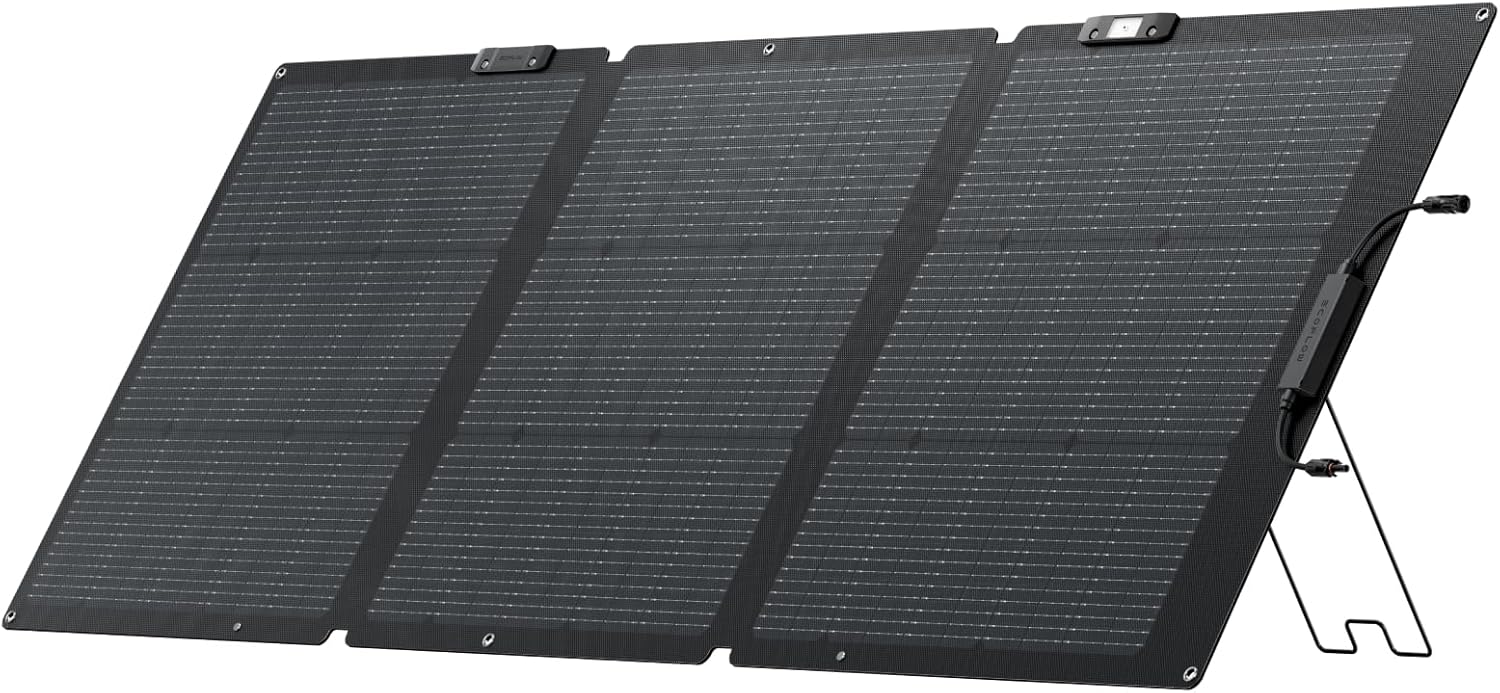
EcoFlow 220W Bifacial Portable Solar Panel
- 220W front + bonus rear generation
- 22.4% conversion efficiency
- Self-supporting kickstand design
See It All Come Together
Here's a fantastic deep-dive on common launching mistakes and how to fix them in real time:
Key Takeaways (Save This Section)
- Semolina is non-negotiable. It's the single biggest upgrade you can make today.
- 60 seconds max on the peel before launching. Set a mental timer.
- Stretch on the counter, transfer to the peel. Never stretch on the peel.
- Shake test before every launch. It takes one second and saves dinner.
- Pull the peel out, don't push the pizza off. This is the #1 technique fix.
- Pre-portion your toppings. Speed is your best friend.
Final Thoughts From the Stone
Launching a pizza cleanly is one of those skills that feels impossible until suddenly it isn't. Your first 10 will be rough. By pizza 25, you'll have a rhythm. By pizza 50, you'll be making it look easy in front of impressed dinner guests.
The gear matters a little. The semolina matters a lot. But the speed and confidence of your hands matter most.
Now go fire up that oven. Friday night is coming.
Marco Bellini has been making Neapolitan pizza at home since 2019 and currently tests outdoor pizza ovens for this site. He owns three peels, two ovens, and one slightly dented ego from that time he launched a calzone-shaped Margherita in front of his in-laws.
Key Takeaways
- Choosing the right how to launch pizza without sticking means matching capacity and output ports to your actual devices
- Always check actual watt-hours (Wh), not just watts — runtime depends on Wh, not peak output
- Also covers: pizza peel technique
- Also covers: stop pizza sticking to peel
- Also covers: using a pizza peel
- Compare price-per-Wh across models to find the best value for your budget