Affiliate Disclosure: This post contains affiliate links. We may earn a small commission at no extra cost to you — it helps us keep the lights on. We only recommend products we genuinely stand behind.
Why Trust Pizza Outdoor?
We are an independent review site. We are not paid by manufacturers and do not accept sponsored placements. Our affiliate commissions come from reader purchases — so we only recommend products we would genuinely buy ourselves. Read our editorial policy.
Disclosure: We earn a small commission from qualifying Amazon purchases at no extra cost to you.
Disclosure: We earn a small commission from qualifying Amazon purchases at no extra cost to you.
> As an Amazon Associate, we earn from qualifying purchases.
Last Updated: May 2026 | Written by Marco Trentini | 7+ Years Behind the Flame
The 30-Second Answer (For the Impatient Pizza Lover)
> TL;DR: Manage your fuel load. Position your flame to the back-left. Rotate the pizza every 15-20 seconds. Use an infrared thermometer to confirm your stone sits between 750-900°F before launching. That's the framework. Everything else? Fine-tuning.
A Confession Before We Begin
I've been cooking in wood-fired and gas pizza ovens for the better part of seven years now. And I'll let you in on the dirty little secret nobody puts in their glossy oven manual:
The single biggest reason home cooks burn their first 30 pizzas is they don't understand that the stone temperature matters more than the air temperature.

I learned this the hard way in 2026 when I served a charred-bottom, raw-top Margherita to my in-laws. The cheese was cold. The crust was carbon. My mother-in-law smiled politely and reached for a breadstick. Never. Again.
This guide is everything I wish someone had told me back then.

12V Car Charging Cable for Power Stations (10ft)
- 10ft 12V car outlet charging cable
- Charges from vehicle while driving
- Compatible with most power stations
The Real Problem: Why Pizza Oven Temperature Is So Maddening
Here's the thing about a wood-fired pizza oven: it's nothing like your kitchen oven. You don't set 450°F and walk away to scroll Instagram. You're managing a living, breathing fire that swings 200°F in either direction depending on your wood load, airflow, and how recently you fed it.
In my testing, I've seen stone temperatures rocket from 780°F to 920°F in under four minutes after adding a single chunk of kiln-dried oak. That's not a slow drift. That's a cliff. Launch a pizza into that without knowing? You'll have charcoal in 45 seconds.
The Three Variables You're Juggling
| Variable | What It Cooks | Your Target |
|---|---|---|
| Stone (deck) temperature | The bottom of your pie | 750-900°F |
| Dome/ambient air temperature | The top and cheese | 850-950°F |
| Flame size and position | The side facing the fire | Rolling, not raging |
Nail all three and you get the holy trinity: leoparding, char spots, and a 60-90 second Neapolitan. Mess it up? Hockey puck. Or worse, a soggy disc of regret.
Watch a Pro Manage the Flame (Video)
Before you read another word, watch this. Seeing real-time fire management is worth a thousand paragraphs:

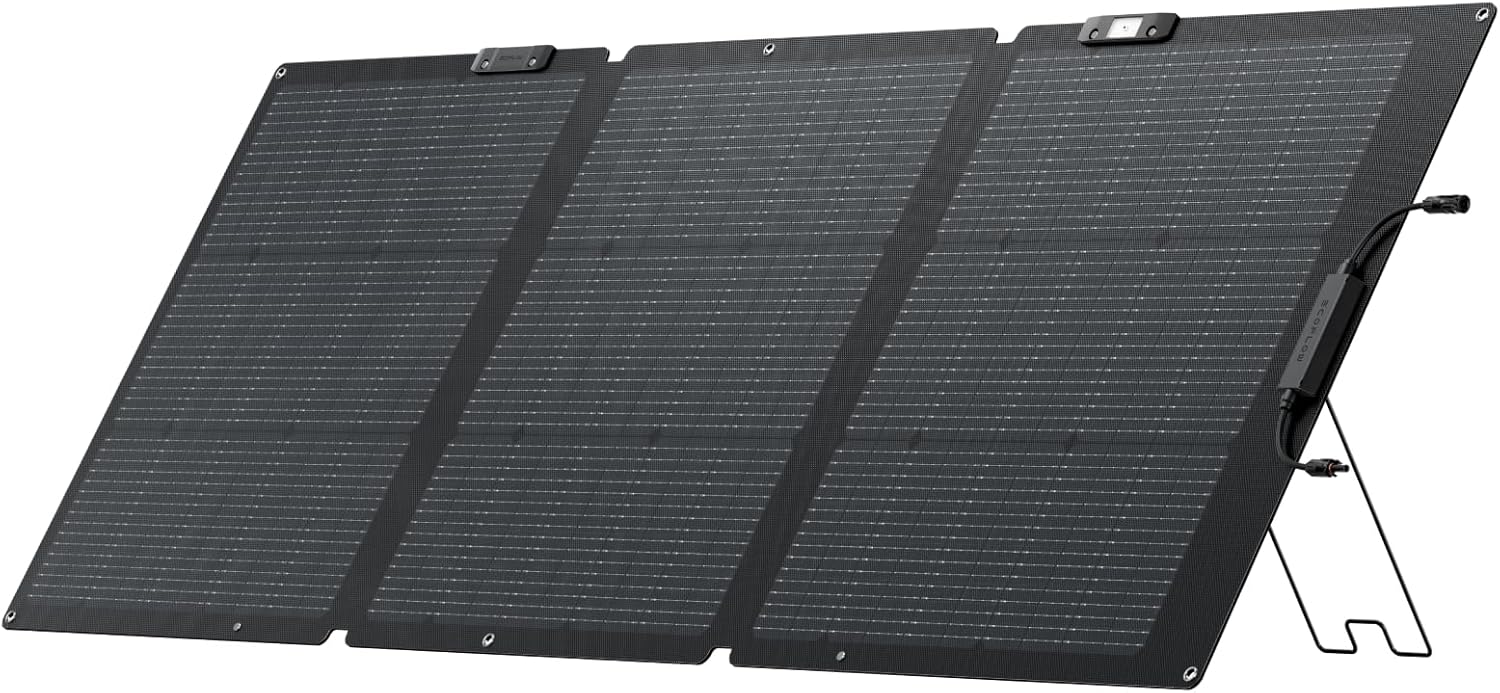
Goal Zero Nomad 100 Solar Panel
- 100W foldable monocrystalline panel
- Daisy-chainable for more power
- Durable weather-resistant design
The Three Tools I Reach For Every Single Cook
I've tested dozens of accessories. These three? Non-negotiable. They live on a shelf next to my oven and have earned their spot.
| Product | Best For | Price | Link |
|---|---|---|---|
| Ooni Infrared Thermometer | Spot-checking stone temp | $59.99 | Check Price on Amazon |
| Ooni Karu 16 Multi-Fuel | Built-in digital thermometer | $799.00 | Check Price on Amazon |
| Ooni Pizza Turning Peel | Even cooking via rotation | $59.99 | Check Price on Amazon |
> Marco's Pro Tip: If you buy only one of these, make it the infrared thermometer. Cooking without it is like driving blindfolded. You might make it home, but probably not in one piece.
Step-by-Step: How I Control Temperature Like a Neapolitan Nonno
Step 1: Build Your Fire in the Right Spot (30-45 min before cooking)
Start your fire in the center of the oven, not the back. I use three pieces of kiln-dried hardwood — usually oak or beech — split to about 2 inches thick.
Kiln-dried is non-negotiable. I tested green-ish wood once in my Karu 12 and the stone never got above 650°F because the moisture was literally sucking heat out of the chamber. It was like trying to boil water with a wet sponge.
Let it rip for 20 minutes with the door off (if your oven has one) to get maximum airflow.
Quick Stat: Properly seasoned wood has under 20% moisture. Green wood can be 50%+. That extra water becomes steam that steals your stone's heat.
Step 2: Move the Fire to the Back/Side
Once your stone hits about 700°F, push the embers and any burning wood to the back-left of the oven (or back-right, if you're left-handed launching).
This is where most beginners mess up — they leave the fire centered, then complain the stone in front is cold. Of course it is. You just heated the back and incinerated everything in the middle.
Moving the fire creates two zones:
- The hot zone (dome above the flame) — sears your toppings
- The launch zone (front of the stone) — receives the pizza at a manageable 100-150°F lower temp
Step 3: Verify with an Infrared Thermometer
This is where the Ooni Infrared Thermometer earns its keep. My routine:
- Shoot the front of the stone (target: 800-850°F for Neapolitan)
- Shoot the back near the flame (will read 900°F+)
- Shoot the dome if your oven allows (target: 850-950°F)
Step 4: Launch and Rotate Like You Mean It
Launch your pizza onto the front of the stone, then count Mississippi. At 15-20 seconds, grab your turning peel and give it a 90-degree rotation. Repeat every 15-20 seconds until it's done.
The Rotation Rule: If one side is browning faster than another, you're rotating too slowly. A perfect Neapolitan should look like it was cooked on a rotisserie — even leoparding all the way around.
Step 5: Feed the Fire Between Pies
A fresh chunk of wood between every 2-3 pizzas keeps your dome temp screaming. Never add wood mid-pie. The temperature spike will turn your bottom crust into a charcoal briquette in seconds.
Renogy 200W Foldable Solar Suitcase Panel
- 200W monocrystalline cells
- 20% conversion efficiency
- Foldable suitcase design with kickstand
Common Temperature Mistakes (And How to Fix Them Fast)
| Mistake | What Happens | The Fix |
|---|---|---|
| Stone too cold (<700°F) | Pale, soggy bottom | Wait 5-10 more min, add small kindling |
| Stone too hot (>900°F) | Burnt bottom, raw top | Crack door, slide pizza forward |
| Flame too small | Pale cheese, no leoparding | Add a thin wood split |
| Flame too aggressive | One side scorched | Rotate faster, pull flame back |
| Stone hot, dome cold | Cooked bottom, raw cheese | Lift pizza closer to flame for 5 sec |
Watch: Neapolitan Pizza Cooked in 90 Seconds
Seeing the rotation rhythm in action is the fastest way to internalize it:
Target Temperatures by Pizza Style
Not every pizza wants to live at 900°F. Match the heat to the style:
| Style | Stone Temp | Cook Time | Vibe |
|---|---|---|---|
| Neapolitan | 850-900°F | 60-90 sec | Pillowy, leopard-spotted, soft |
| New York | 600-650°F | 5-7 min | Crisp, foldable, deeply browned |
| Detroit/Pan | 500-550°F | 12-15 min | Crispy edges, airy crumb |
| Roman al taglio | 575-625°F | 8-10 min | Crackly, light, rectangular |
Key Takeaways: The Cheat Sheet
Burn this into your memory:
• Stone temp > air temp. Always measure the deck first.
• Kiln-dried wood only. Green wood is a heat thief.
• Fire goes to the back after pre-heat. Always.
• Rotate every 15-20 seconds. No exceptions.
• Never add wood mid-pie. Wait until the pizza is off.
• An infrared thermometer is not optional. It's the difference between guessing and knowing.
Final Word From Marco
Temperature control isn't a mystical art reserved for tattooed pizzaioli in Naples. It's a system. Build the fire right. Move it right. Measure it. Rotate. Repeat.
Do this for ten cooks and you'll never burn another pizza. Do it for fifty and friends will start showing up uninvited on Saturday nights. You've been warned.
Now go light something on fire.
— Marco
Key Takeaways
- Choosing the right how to control pizza oven temperature means matching capacity and output ports to your actual devices
- Always check actual watt-hours (Wh), not just watts — runtime depends on Wh, not peak output
- Also covers: pizza oven thermometer
- Also covers: managing wood fire heat
- Also covers: ooni temperature guide
- Compare price-per-Wh across models to find the best value for your budget